Cycling often becomes woven into daily life. It clears your head, builds momentum, and offers a kind of freedom hard to replace. When that routine is interrupted, the impact can reach far beyond the ride itself. What follows is often a mix of emotional strain and practical pressure, both demanding attention at the same time.
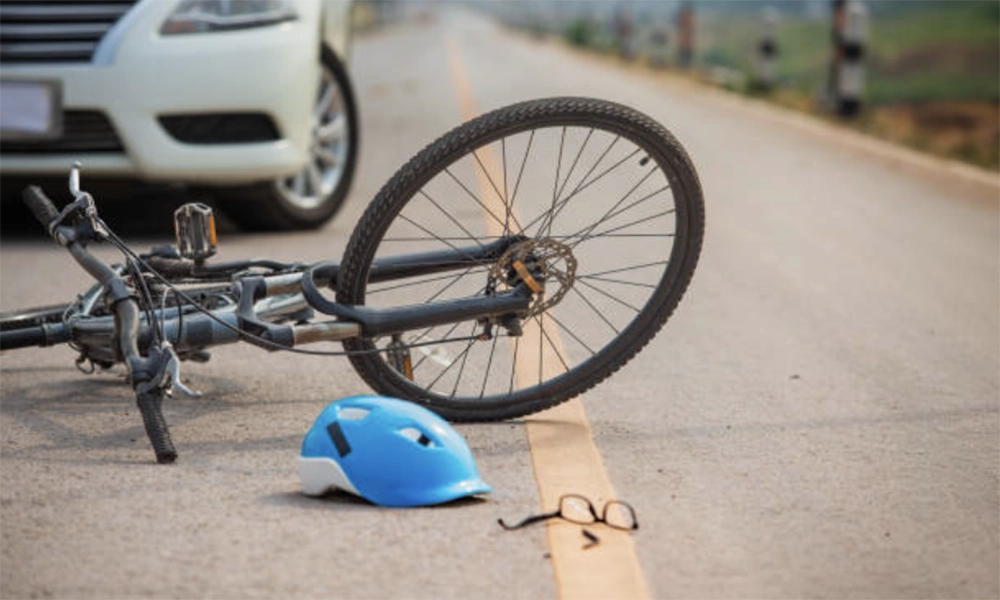
A setback can change how you think, how you move, and how you go about ordinary decisions. Sometimes the hardest part is not the obvious disruption, but the uncertainty that settles in around it. Looking at both the mental and practical sides of the experience can make the path forward feel clearer and more manageable.
The Mental Impact of a Cycling Setback
When something familiar is suddenly thrown off course, your mindset can shift quickly. Confidence may dip, even on roads that once felt comfortable. Some riders become more hesitant. Others feel frustrated by the loss of a routine that helped them feel balanced and well.
That change can linger in subtle ways. You may find yourself second-guessing choices that used to feel automatic, or noticing risks that never stood out before. Being more alert all the time takes energy, especially when cycling once felt easy and restorative.
In time, this can affect motivation as well. The wish to get back out there may still be present, but the feeling attached to it changes. Recognising that response as a normal part of the experience can help soften it and make room for confidence to return.
Why Practical Challenges Can Feel Overwhelming
The emotional strain is only part of the picture. Practical concerns often appear all at once. There may be forms to complete, calls to make, and decisions that do not feel especially clear. Even simple tasks can feel heavier when your energy is already tied up in recovery.
Uncertainty has a way of making everything feel more urgent. When you are not sure what comes next or whether you are handling things the right way, those questions can sit in the background all day. It becomes harder to switch off when your mind keeps circling the same loose ends.
That is why the practical side matters. It is not separate from well-being. It becomes part of the recovery experience, shaping how steady or unsettled everything feels.
Rebuilding a Sense of Control
A sense of control often returns in small steps. When life feels unsettled, simple structure can make a real difference. Maintaining a regular sleep schedule, planning light activity, or focusing on one task at a time can create a little more steadiness.
It also helps to narrow the frame. Instead of trying to sort out everything at once, focus on what needs attention now. A few clear steps are easier to manage than a long list of unknowns.
These choices may seem small, but they matter. Consistency can be calming. Over time, those small decisions can make life feel less chaotic and help you feel more grounded again.
How Location Can Affect the Practical Side of Recovery
Where a cycling setback happens can shape the practical side of recovery in ways that are easy to overlook. Riding in New York may feel very different from riding in some bike-friendly parts of Oregon or Colorado, and different again from quieter rural areas in states such as Iowa or Arkansas. Traffic patterns, road design, and local cycling culture all play a part in how people experience both the setback itself and what comes after.
In Illinois, a mix of urban and suburban environments can shape how cyclists experience both the road and what follows after an incident. That variation can also affect the kind of questions people are left with during recovery, especially when it comes to understanding what steps to take next. In these moments, some riders look for ways to bring clarity to the situation, including speaking with a Rockford lawyer for injured cyclists to better understand their options and ease that uncertainty.
The goal is the same wherever you are: reduce confusion, regain stability, and make room for healing. The way people get there can look a little different from one region to the next.
The Role of Physical and Emotional Support
Recovery usually feels more manageable when support comes from more than one place. Physical healing may depend on rest, treatment, or rehabilitation. Emotional recovery often comes through reassurance, patience, and the steady presence of people you trust.
Reliable information can help as well. Guidance on rehabilitation and recovery shows how structured support can help people regain independence and return to everyday life with greater confidence. It also reinforces the value of taking recovery seriously, even when progress feels slow.
Support does not remove every difficulty, but it can make the process feel less isolating and more grounded.
Returning to Cycling at Your Own Pace
Getting back on the bike rarely follows a neat timeline. Some people feel ready sooner than expected. Others need more time before the idea feels comfortable again. Both responses are completely valid.
Starting small can make the return feel less daunting. A short ride, a familiar route, or a quieter time of day can help rebuild trust in the experience. The point is not to prove anything. It is to let those first steps back feel steady and realistic.
It also helps to pay attention to how each ride feels rather than comparing it to the past. Some days will feel easier than others. That does not mean progress has stalled. It simply means recovery has its own rhythm.
Reconnecting With the Joy of Movement
After time away, it can help to come back to cycling with a gentler mindset. Rather than focusing on distance, speed, or routine, notice how the movement feels. Even a short ride can bring back a sense of clarity and release.
Letting go of pressure makes that easier. There is no need to match old habits straight away. What matters is rebuilding a positive connection with being on the bike again, one ride at a time.
Reading more about how cycling supports physical and mental well-being can reinforce that shift in perspective. Movement does not have to be perfect to feel meaningful. Sometimes a small return is enough to remind you why it mattered in the first place.
Conclusion
A cycling setback can affect far more than physical ability. It can shake confidence, interrupt routine, and leave practical concerns hanging over everyday life. Recognising both the mental and practical sides of that experience makes recovery feel more complete and more realistic.
With patience, steady support, and a bit of structure, things can begin to feel familiar again. In time, cycling can return as a source of clarity, movement, and well-being.
- About the Author
- Latest Posts

Our Editorial Team are writers and experts in their field. Their views and opinions may not always be the views of Wellbeing Magazine. If you are under the direction of medical supervision please speak to your doctor or therapist before following the advice and recommendations in these articles.