Buying the wrong tractor is one of those mistakes that hurts twice, once at the dealership, and again every single time you head out to the field. Mismatched horsepower burns more fuel than it should, puts unnecessary strain on drivetrain components, and leaves implements either chronically underperforming or collecting dust in the barn.
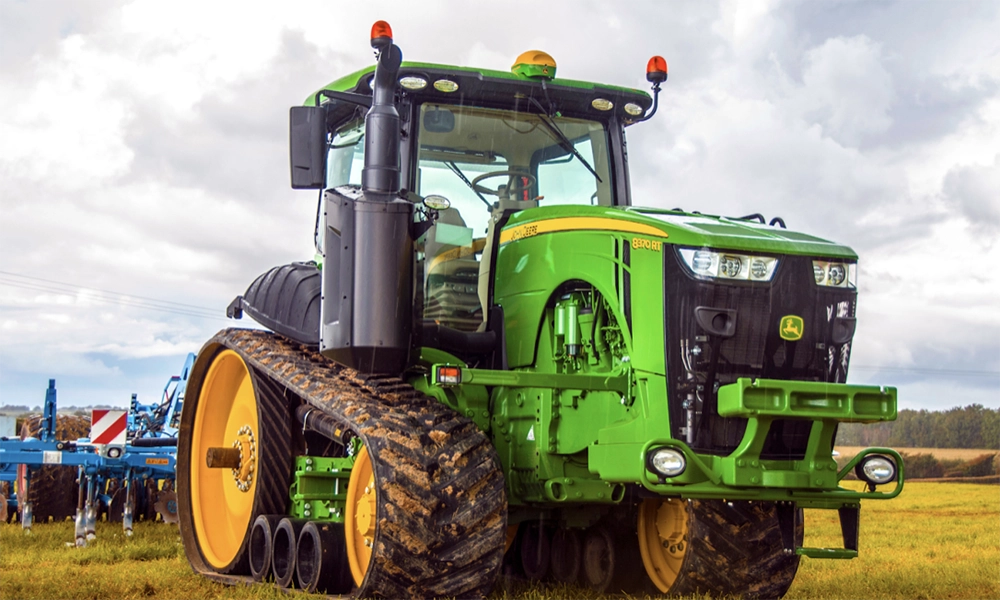
Plenty of farmers learn this lesson the hard way, usually after dropping tens of thousands of dollars on equipment that just doesn’t fit together right. Getting clear on how to choose a tractor for implements before you ever sign anything can spare you an enormous amount of money, headaches, and regret.
This guide walks through every factor that actually matters, horsepower, hitch categories, PTO specs, technology, long-term cost, and safety, so you can walk into that dealership with confidence.
What Really Goes Into Selecting the Best Tractor for Small Farm Implements
The right starting point isn’t a spec sheet. It’s an honest look at what your farm actually demands on a typical working day. The best tractor for small farm use isn’t the one with the most horsepower or the flashiest cab, it’s the one that suits your specific operation without excess.
Take Inventory of Your Implements First
Sit down and write out every implement you own or plan to own. Front-end loader, rotary cutter, tiller, plow, each one carries its own weight, horsepower demand, and hitch requirement. If you know your full implementation list before you start shopping, you protect yourself from costly surprises after the check clears.
When reviewing new john deere tractors for sale, buyers can often take advantage of seasonal deals, financing offers, and attachment packages that make it easier to match the right tractor to the implements they plan to use.
Getting Horsepower Right
Here’s something the spec sheets don’t highlight: only 50% to 65% of your tractor’s maximum PTO horsepower actually translates to drawbar horsepower in real field conditions (farm-energy.extension.org). That gap matters more than most buyers realize, especially for tillage or heavy pulling work.
Generally speaking, 20–40 HP covers basic mowing and light tillage for smaller operations. Diversified farms typically need 40–70 HP to stay productive. Underpowering your machine accelerates wear. Overpowering it wastes fuel without adding any real benefit.
Matching tractor horsepower to implements based on genuine field conditions, not optimistic spec sheet numbers, is where experienced buyers separate themselves from first-timers.
Weight, Size, and What They Mean for Your Soil
Heavier tractors deliver better traction. They also compact soil more aggressively, and that can quietly hurt long-term crop yields if you’re not paying attention.
Compact tractors handle tighter spaces and lighter soils well. Larger machines suit open fields and heavier clay ground. The goal is balance, not just raw power.
Horsepower and size matter enormously, but even a perfectly matched engine won’t do you any good if your tractor and implement can’t physically connect. That’s why hitch compatibility and PTO specs come next.
Hitch Systems and PTO, The Details That Make or Break Compatibility
A useful tractor implements selection guide always digs into hitch categories and PTO configuration. These two elements determine whether your setup actually works in the field or stays parked in the shed.
3-Point Hitch Categories Explained
Category 1 hitches suit most sub-compact and compact tractors running implements rated under 50 HP. Category 2 is designed for mid-range tractors, roughly 40–100 HP, and handles heavier implements with better structural stability.
Always verify your implement’s hitch requirement before you purchase a tractor. This is a compatibility question, not a matter of preference.
PTO Configuration Matters More Than You Think
A 540 RPM live PTO powers most common small-farm implements reliably. Independent PTO systems allow the shaft to operate regardless of ground speed, which is essential for mowers and augers where stopping forward movement shouldn’t kill the implement function.
Sub-compact tractors often carry limited PTO output, so always check your implement’s minimum RPM and horsepower demand against the tractor’s rated output. A PTO mismatch doesn’t just drag down performance, it can cause real mechanical damage to both pieces of equipment.
Once hitch and PTO compatibility are confirmed, the next conversation worth having is about what your tractor will actually cost you to run over a full working life.
Running Costs, Fuel Efficiency, and Emissions Reality
First-time buyers are frequently surprised by running costs. The best tractor for small farm use isn’t just about what you paid at the dealership, fuel, maintenance, and emissions compliance stack up fast across seasons.
Tier 4 Final Emissions, What You’re Actually Signing Up For
Modern tractors comply with Tier 4 Final emissions standards, which means diesel particulate filters and mandatory regeneration cycles built into your routine. These systems add maintenance steps that older machines never required.
Skip or delay regeneration too often, and you risk damaging emissions components that are expensive to repair or replace. Build it into your annual maintenance budget from day one.
The Real Cost of Oversizing Your Engine
According to data sourced from Lazarus, a 200 HP MFWD tractor costs $24.27 more per hour to operate than a 130 HP MFWD tractor when you account for fuel, maintenance, depreciation, and overhead.
Over a full season, that number compounds into something you’ll notice. Right-sizing your engine to your actual workload is one of the simplest, most actionable cost controls available to you, no technology upgrade required.
What Modern Technology Can Do for a Compact Tractor for Farm Implements
Technology has legitimately changed what a well-equipped compact tractor for farm implements is capable of accomplishing. Choosing a tech-ready machine today can prevent a costly mid-season upgrade a few years down the road.
Precision and Auto-Steering Systems
Guidance auto-steering systems are now used on 52% of midsize farms and 70% of large-scale crop-producing operations.
Even smaller farms are adopting them for planting accuracy and reduced field overlap. If you’re planning to scale your operation, buying a tractor with auto-steer compatibility from the start is a decision you won’t regret.
Hydraulics and Operator Ergonomics
Hydraulic lift capacity directly limits which implements your tractor can handle consistently. A hydrostatic transmission simplifies operation for newer operators, while gear-drive configurations give experienced hands more nuanced control. And operator ergonomics, seat comfort, sightlines, and control placement matter far more than most buyers anticipate during a ten-hour work day. Fatigue is a real productivity killer.
Narrowing Down Brand and Model Choices
Brand loyalty is one thing. Parts availability, dealer proximity, and long-term service reliability are something else entirely, and they matter more.
Strong Models for Small and Mid-Size Farms
The John Deere 1025R remains a consistent favorite for hobby farms and smaller properties, delivering solid loader performance and broad implement compatibility. The Kubota L2501 earns consistent praise for reliability and strong resale value.
The New Holland Boomer series and Case IH 45C round out the mid-range options well for operations that prioritize versatility.
Budget, Dealer Network, and Resale Value
When something breaks in the middle of planting season, dealer proximity becomes your most important tractor feature.
Brands with strong regional networks dramatically reduce downtime. Kubota machines historically hold resale value well, which helps offset upfront purchase costs if you’re planning to trade up within five to seven years.
Finding New John Deere Tractors for Sale Near You
If you’re actively searching for new john deere tractors for sale, South Plains Implement maintains an extensive inventory of both new and pre-owned models across 19 locations throughout West Texas and New Mexico, backed by a knowledgeable parts and service team that knows these machines inside and out.
Safety and Operator Comfort Are Non-Negotiable
ROPS and seat belts are the absolute baseline for any tractor purchase, new or used. Tractor visibility, turning radius, and how fatigued you feel after a full day of operation all directly affect both your productivity and your safety. Don’t treat these as afterthoughts.
Planning Ahead Instead of Playing Catch-Up
Buying a tractor that fits today but limits you in three years is a frustrating and expensive cycle. If you’re planning to expand acreage or add heavier implements within five years, step up one HP tier now and save yourself the hassle. Cornell’s guidance recommends sizing based on realistic growth projections, not just your current workload alone.
Quick Reference Summary Table
| Farm Size | Recommended HP | Hitch Category | PTO Type | Best Models |
| Under 10 acres | 20–35 HP | CAT-1 | 540 RPM | JD 1025R, Kubota BX |
| 10–50 acres | 35–55 HP | CAT-1/CAT-2 | 540 RPM Live | Kubota L2501, NH Boomer |
| 50–100 acres | 55–75 HP | CAT-2 | Independent | Case IH 45C, JD 3E |
| 100+ acres | 75–100+ HP | CAT-2/CAT-3 | Independent | JD 5E, Kubota M Series |
Frequently Asked Questions
How do I match tractor horsepower to my implements?
Start with your heaviest implement’s HP requirement, then add a 15–20% buffer for real-world field conditions. Always account for the difference between drawbar and PTO horsepower, pulling power in the field is consistently lower than rated engine output on paper.
Why does hitch compatibility matter so much?
A mismatched hitch category prevents proper implement attachment and creates genuinely unsafe operating conditions. Verify both the tractor’s hitch category and the implement’s requirement before purchasing either piece of equipment.
What tractor handles both loader and mower tasks on a small farm?
A 25–40 HP compact tractor with CAT-1 hitch and live PTO handles both reliably. The John Deere 1025R and Kubota L2501 are consistently recommended for exactly this combination.
How do Tier 4 emissions standards affect day-to-day operation?
Tier 4 Final engines require periodic regeneration cycles that temporarily increase idle time. Skipping scheduled maintenance can damage emissions components, adding repair costs well beyond routine service expenses.
Where can I find reliable listings for new John Deere tractors for sale?
Operators searching for new john deere tractors for sale will find extensive listings and hands-on assistance at South Plains Implement, serving customers across 19 locations in West Texas and New Mexico with full parts and service support.
The Right Tractor For You
Choosing the right tractor ultimately comes down to honest, practical planning. Know your implements. Understand what horsepower actually means in the field. Think five years ahead, not just five months.
A mismatch doesn’t just cost money, it costs time, productivity, and sometimes safety. Whether you’re equipping a compact tractor for farm implements or building out a larger commercial operation, the core principle never changes: match the machine to the work, not the other way around.
Take your time, lean on your dealer’s expertise, and invest in a tractor that genuinely serves your farm for the long haul.
- About the Author
- Latest Posts

Our Editorial Team are writers and experts in their field. Their views and opinions may not always be the views of Wellbeing Magazine. If you are under the direction of medical supervision please speak to your doctor or therapist before following the advice and recommendations in these articles.