Large hospitals are more than just places to heal; they are complex environments that need careful security measures to protect patients, staff, and visitors. These facilities often hold sensitive information, valuable equipment, and vulnerable people, which makes security very important. Hospitals must balance safety and comfort to create a positive experience for everyone. A comprehensive security strategy that includes different measures is essential.
Let’s look at how to secure a large hospital effectively.
Access Control
Controlling who enters the hospital is crucial for safety. Good access control can include several layers of security, such as ID badges, swipe cards, and biometric systems. Staff can obtain IDs that grant them access to specific areas, whereas visitors may need to sign in. This ensures that only authorized people can enter sensitive areas.
A visitor management system can add another layer of security. This system makes it easier to register visitors, helping hospitals track who is in the building at any time. This is important during emergencies for quick headcounts and to ensure everyone is safe. Also, having well-monitored entrances helps create a sense of security for everyone in the hospital.
Surveillance Systems
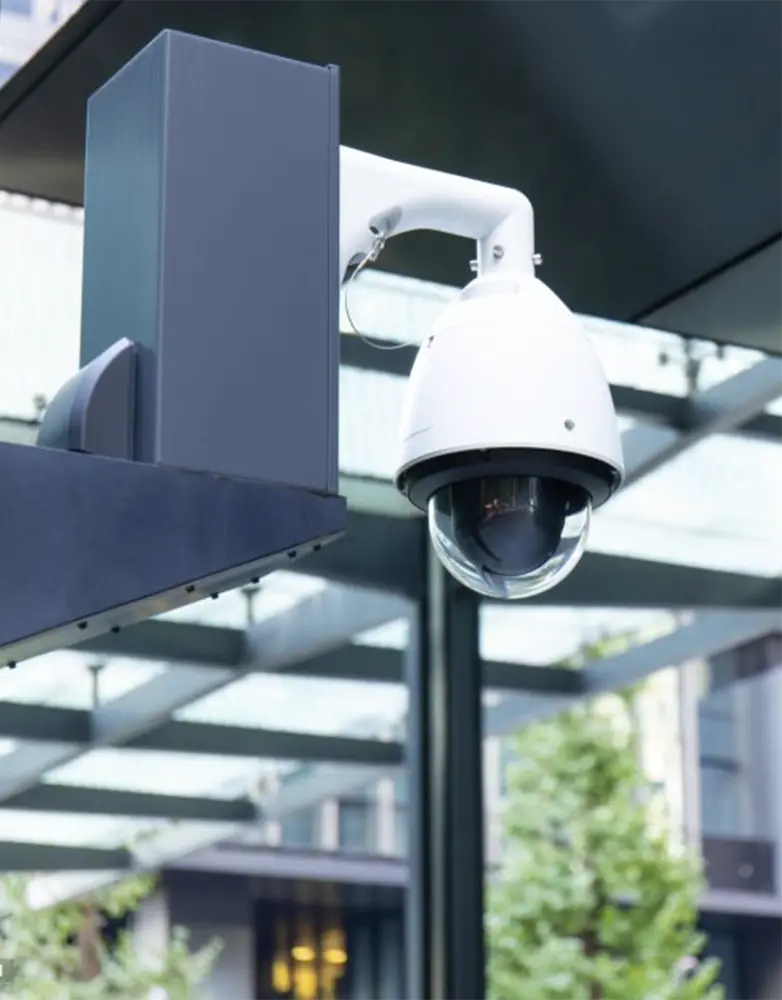
CCTV cameras are vital for security in hospitals. Strategically placed cameras inside and outside can monitor activities and deter threats before they become serious incidents. The goal is not to cause paranoia but to create a safe environment for everyone.
These cameras can connect to a central monitoring system, allowing security staff to watch multiple areas from one location. Recorded footage can help investigate incidents and ensure accountability among staff and visitors. Using high-resolution cameras with night vision capabilities means that hospital security can monitor the premises 24/7, regardless of the conditions.
Walk-Through Metal Detectors
A walk through metal detector is important for keeping hospitals safe. They help detect any metallic items, like weapons or dangerous materials, before visitors enter sensitive areas. This security measure makes sure that safety is a priority.
Using these detectors does not create barriers; it actually improves the experience for patients and visitors. Knowing that there are security measures in place can help ease worries, especially for those who might feel vulnerable in a hospital. These detectors can be easily placed at the entrance without causing delays, allowing for smooth entry.
Emergency Response Plans
Every large hospital should have a strong emergency response plan that covers both physical threats and medical emergencies. Staff should be trained in how to respond to various situations, such as active shooter alerts, natural disasters, or other emergencies that require quick action.
Regular drills help everyone know their role in a crisis and promote confidence instead of fear. Involving all staff members in these drills builds a safety culture, as they learn the procedures and can respond effectively when needed.
Cybersecurity Measures
In our digital age, protecting information is just as important as physical security. Hospitals have a lot of sensitive data, including patient records and financial information, making them targets for cybercriminals. Strong cybersecurity measures are essential.
It is crucial to update software and check for security weaknesses regularly. Training staff on best practices for handling data prevents mistakes that could compromise security. Firewalls, encryption, and multi-factor authentication are key tools for keeping hospital information systems safe.
Staff Training and Awareness
Employees are crucial for hospital security. Regular training helps staff recognize suspicious behaviour, follow access control rules, and respond during emergencies. Including security awareness in routine training greatly improves safety.
According to Best In A List, encouraging staff to report anything unusual creates a culture of vigilance. When employees feel empowered to help with security, the overall effectiveness of safety measures improves.
Community Relations
Building strong ties with the local community can strengthen a hospital’s security efforts. Working with local law enforcement and emergency responders creates a support network that is invaluable during crises. They can offer advice on security measures and provide help during emergencies, keeping the hospital safe for everyone.
Holding public forums and workshops can help residents get involved in hospital security. By encouraging community responsibility, everyone can contribute to a secure and welcoming environment.
Securing a large hospital requires careful planning, training, and the right tools. By combining physical security measures, technology, community engagement, and staff training, hospitals can create a safe space for patients, visitors, and healthcare workers. The key is the teamwork needed to ensure a secure place for healing and care.
- About the Author
- Latest Posts

Our Editorial Team are writers and experts in their field. Their views and opinions may not always be the views of Wellbeing Magazine. If you are under the direction of medical supervision please speak to your doctor or therapist before following the advice and recommendations in these articles.