How to Start a Crystal Collection: A Beginner’s Guide to Choosing, Caring For and Displaying Crystals
Many people are drawn to crystals before they know anything about their names, meanings or mineral properties.
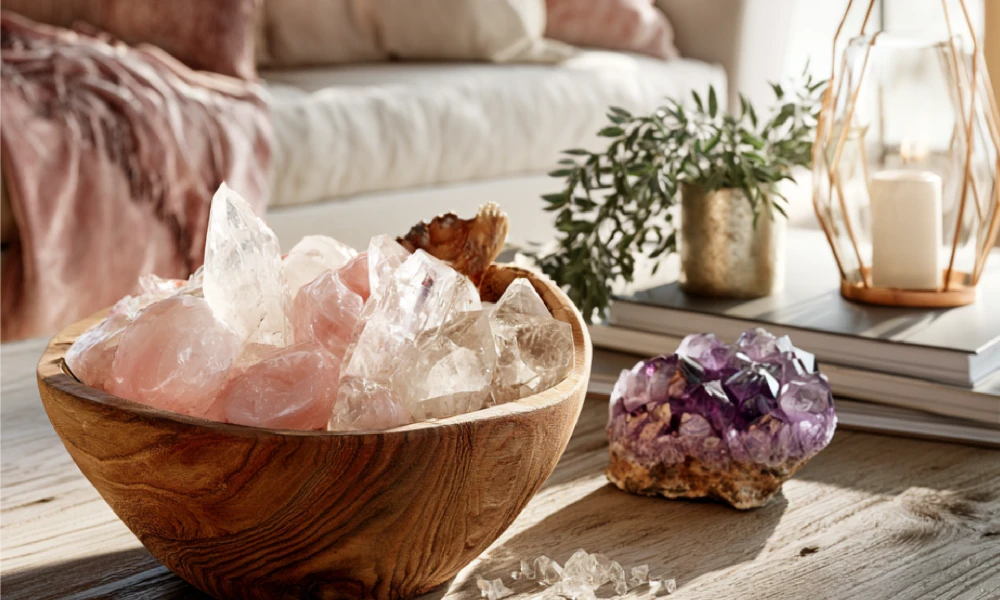
Many people are drawn to crystals before they know anything about their names, meanings or mineral properties. It may begin with a piece of rose quartz glowing softly in a boutique window, an amethyst geode catching the light in a hotel spa, or a smooth polished stone kept quietly in a pocket as a comforting reminder to pause during a busy day. Whatever first captures your attention, starting a crystal collection can become a surprisingly mindful hobby, combining beauty, nature, curiosity and personal ritual.
Crystal collecting has become increasingly popular within the wellbeing world, but it does not have to depend on complete belief in crystal healing or metaphysical properties. For some people, crystals are energetic tools used in meditation, reflection and intention-setting. For others, they are extraordinary geological formations, created over millions of years through heat, pressure, chemistry and time. Many collectors simply enjoy their colour, texture and sculptural beauty. At its best, collecting crystals encourages us to slow down, look closely, ask questions and reconnect with the natural world in a very tangible way.
It is also important to approach crystals with a balanced perspective. Scientific evidence supporting crystal healing remains limited, and crystals should never be used as a replacement for medical care, therapy or professional wellbeing support. Yet symbolic objects can still play a meaningful role in daily life. If holding a crystal reminds you to breathe more deeply, practise gratitude, return to an intention or create a calming moment in your home, then it has already become part of a helpful wellbeing ritual.
What Is a Crystal Collection?
A crystal collection is simply a personal selection of crystals, minerals or polished stones gathered for beauty, interest, symbolism or use in wellbeing rituals. Some collections are small and carefully curated, perhaps made up of five or six favourite stones displayed on a bedside table. Others grow over many years into shelves filled with mineral specimens, geodes, points, spheres, palm stones and pieces collected from travels, retreats, wellness shops or specialist mineral fairs.
There are no strict rules about how to collect crystals. One person may be drawn to soft, calming stones such as rose quartz, moonstone and amethyst, while another may prefer dramatic mineral specimens that reveal the astonishing geometry formed beneath the Earth’s surface. Some collectors organise their crystals by colour, others by meaning, mineral family, country of origin or simply by what looks beautiful together. The pleasure lies in creating a collection that feels personal rather than perfect.
For beginners, the best approach is usually to start slowly. Rather than buying dozens of inexpensive crystals at once, choose a small number that genuinely appeal to you. Notice which colours, shapes and textures you are drawn to. Learn the names of each stone, how it is formed, how to care for it and what traditions are associated with it. This turns crystal collecting from impulse shopping into a more thoughtful and enjoyable practice.
Why Do People Collect Crystals?
People collect crystals for many different reasons. Some enjoy them as decorative objects, using them to bring colour, texture and natural beauty into a room. Others are interested in geology and the astonishing processes that create minerals deep within the Earth. Many people use crystals as part of meditation, journaling, breathwork, yoga or intention-setting, not necessarily because they believe the stone itself has measurable power, but because it provides a physical focus for reflection.
There is also something grounding about holding a crystal and realising it may have taken millions of years to form. In a world of instant notifications, fast consumption and disposable products, crystals invite us to think in a different rhythm. They are reminders of deep time, patience and the quiet creativity of nature. Whether placed on a desk, carried in a coat pocket or displayed beside a favourite book, they can become small anchors of calm in everyday life.
Crystals also have a long cultural history. Ancient Egyptians treasured lapis lazuli, wearing it as jewellery and carving it into sacred objects. The Greeks associated amethyst with protection from intoxication, which is reflected in the origin of its name. Across Asia, jade has symbolised wisdom, harmony and prosperity for centuries. In many Indigenous traditions, stones and minerals have been regarded as gifts from the Earth with spiritual or ceremonial importance. While modern crystal collecting should always be respectful of cultural origins, this history helps explain why humans have long felt a sense of wonder around beautiful stones.
Best Crystals for Beginners
When learning how to start a crystal collection, it helps to begin with stones that are widely available, visually distinctive and relatively easy to care for. The following crystals are popular with beginners because they offer a good mix of colour, texture, symbolism and practicality.
Clear Quartz
Clear quartz is often considered one of the best crystals for beginners. Sometimes called the “master crystal” within crystal traditions, it is one of the most abundant minerals on Earth and is admired for its clarity, simplicity and versatility. Its transparent or milky appearance makes it easy to display with almost any other stone, and it is often associated with clarity, focus and intention.
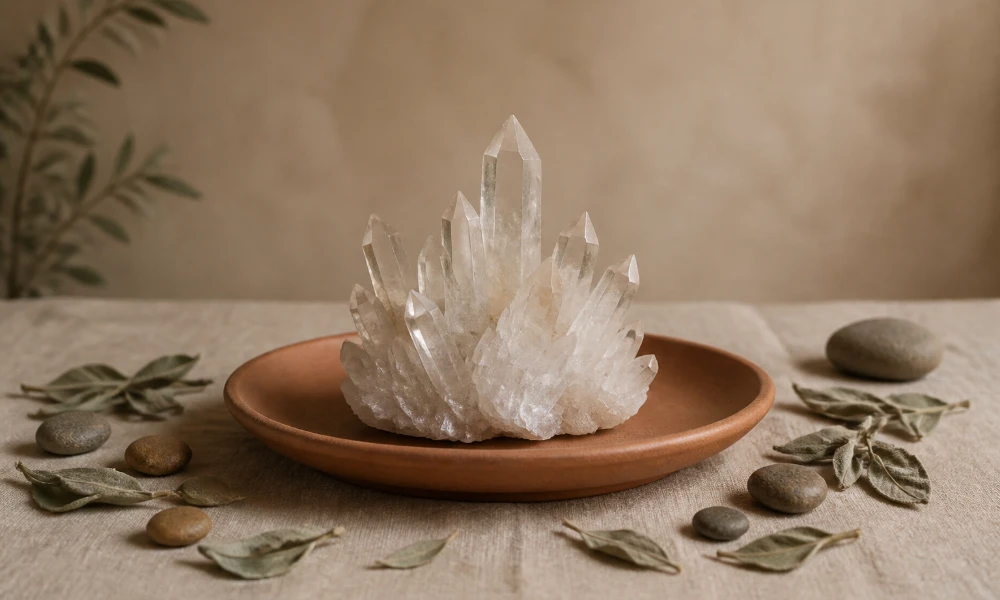
From a geological perspective, quartz is also fascinating because it forms in a wide range of environments and appears in many different varieties, including amethyst, citrine, smoky quartz and rose quartz. For a first crystal, clear quartz offers both beauty and a useful introduction to one of the most important mineral families.
Rose Quartz
Rose quartz is one of the most recognisable beginner crystals, loved for its soft pink colour and gentle appearance. It is often associated with love, compassion and emotional healing, which is why many people place it in bedrooms, living rooms or quiet corners where they want to create a softer atmosphere.
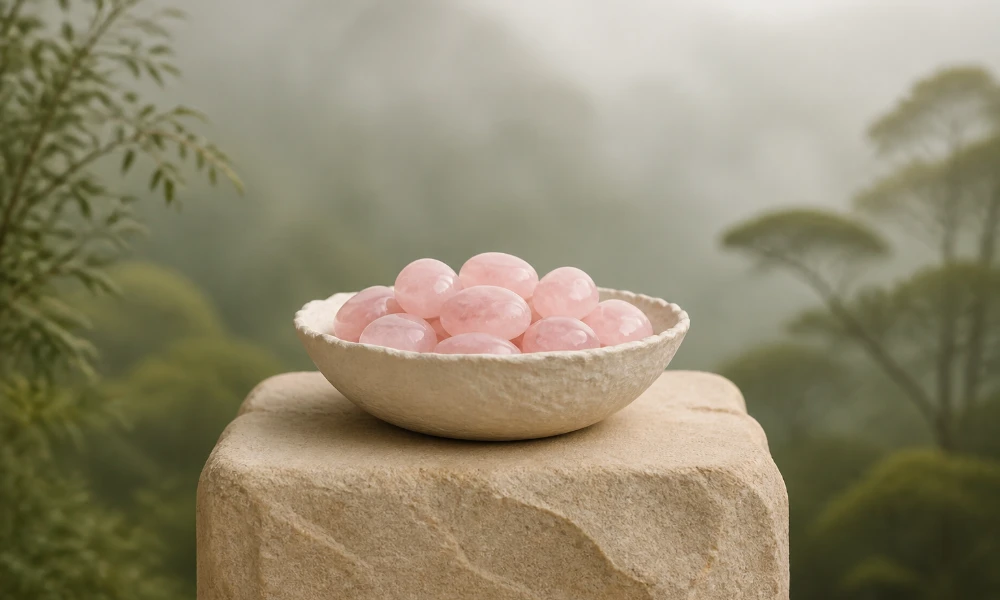
Even if you do not work with crystal meanings, rose quartz has an immediately calming visual quality. Its blush tone sits beautifully with natural materials such as wood, linen, ceramic and dried flowers, making it a favourite for home styling as well as personal wellbeing rituals.
Amethyst
Amethyst remains one of the most popular crystals in the world, partly because of its rich purple colour and partly because of its strong association with relaxation, reflection and spiritual practice. Large amethyst geodes are often used in spas, yoga studios and meditation spaces because they look both dramatic and serene.
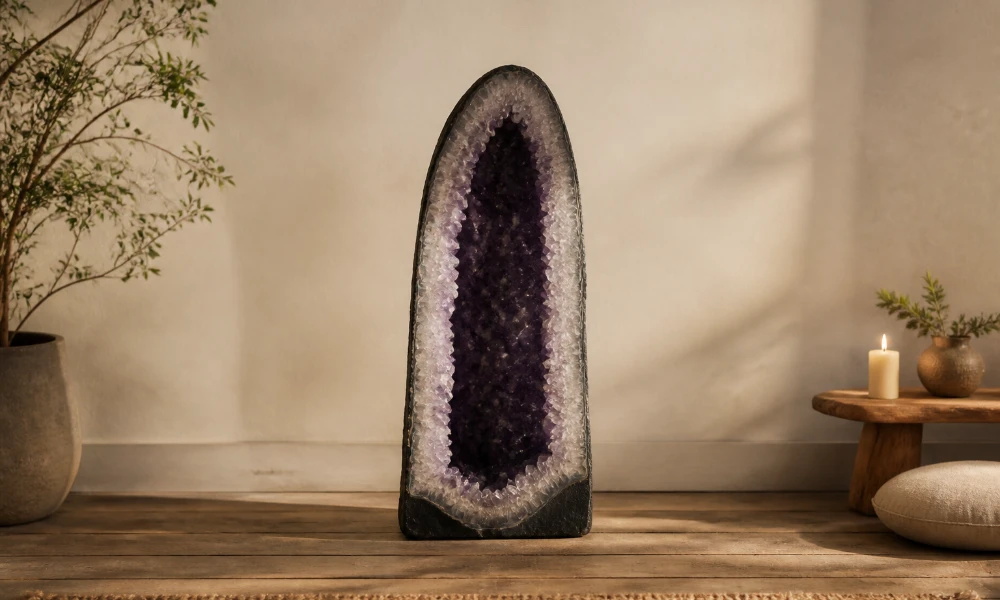
For beginners, amethyst is a wonderful crystal to collect because it comes in many forms, from small polished stones to clusters, points and large geodes. Its colour can range from pale lavender to deep violet, and each piece feels slightly different. Amethyst is also a variety of quartz, which makes it relatively durable compared with softer minerals.
Citrine
Citrine brings warm golden tones into a crystal collection and is frequently associated with optimism, creativity and abundance. Its sunny colour makes it especially appealing for workspaces, creative studios or anywhere you want to create a sense of brightness and energy.
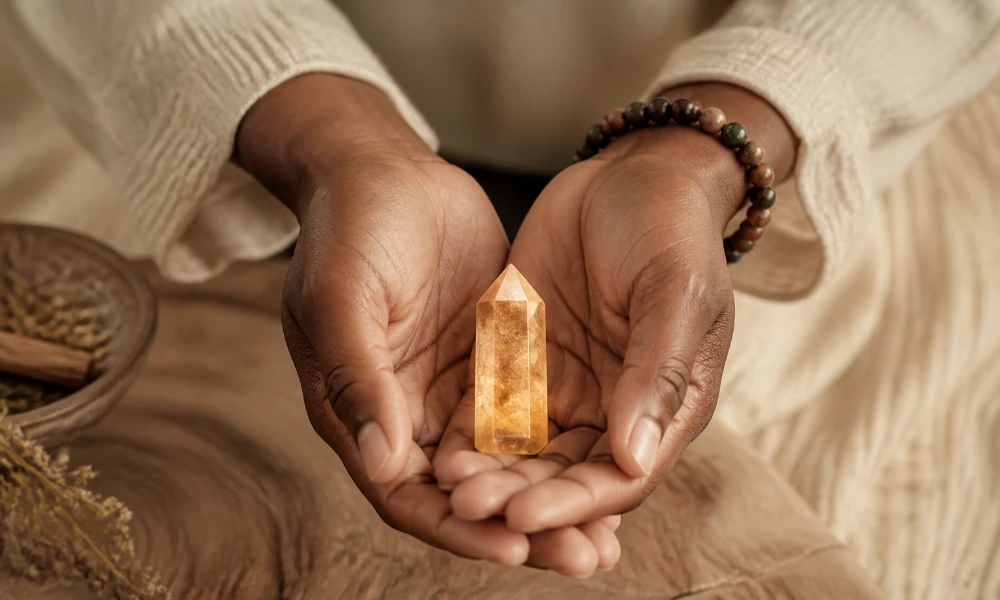
Beginners should be aware that genuine natural citrine is relatively rare. Much of the citrine sold commercially is heat-treated amethyst, which creates the orange or amber colour often seen in shops. There is nothing wrong with buying heat-treated citrine as long as the seller is transparent about it. Learning to ask whether a crystal is natural, treated or dyed is an important part of becoming a more informed collector.
Black Tourmaline
Black tourmaline is a striking crystal that provides contrast in a beginner collection. Its dark, textured appearance makes it visually powerful, especially when displayed beside lighter stones such as clear quartz, selenite or rose quartz. Within crystal traditions, black tourmaline is often associated with grounding, protection and energetic boundaries.
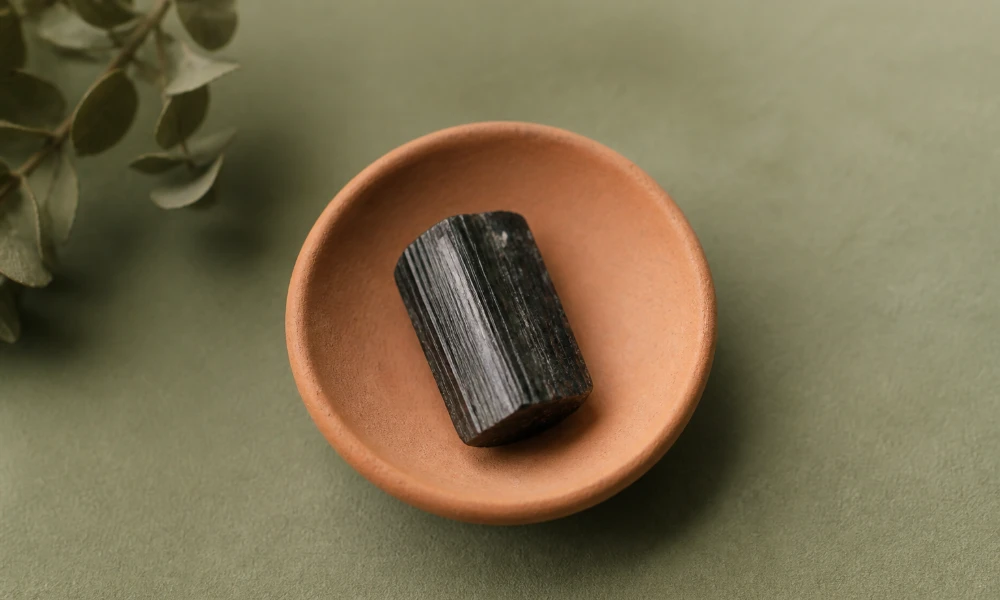
Many people like to place black tourmaline near doorways, desks or workspaces. Whether you see this as symbolic or simply decorative, it can act as a useful reminder to create boundaries around your time, energy and attention.
Selenite
Selenite has become increasingly popular because of its translucent, moon-like appearance. It is often sold as wands, towers, bowls, charging plates or lamps, and many collectors are drawn to its luminous quality. Within crystal traditions, selenite is associated with clarity, cleansing and calm.
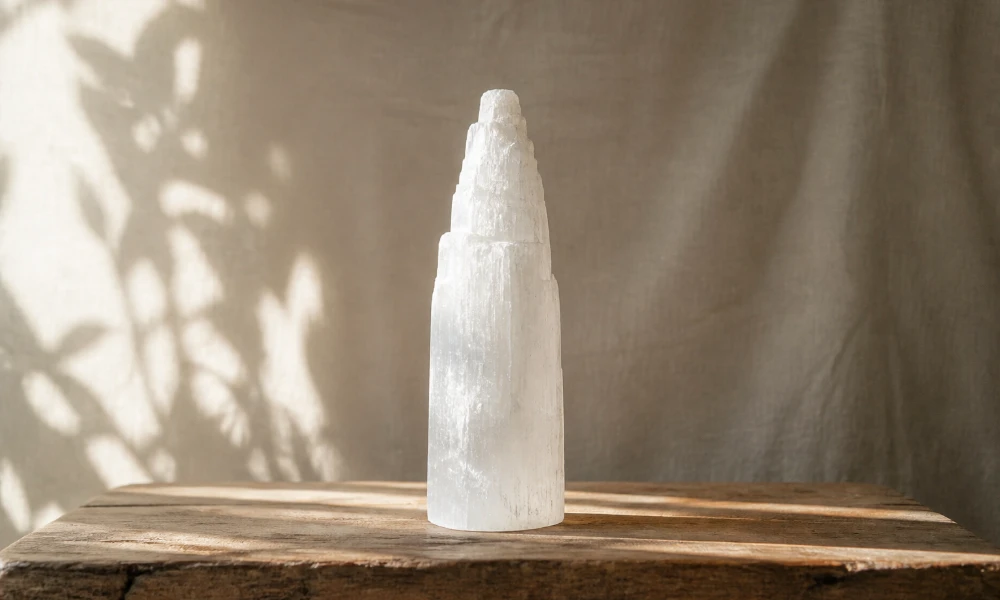
However, selenite needs more care than many beginners realise. It is a soft mineral that can scratch easily and should not be soaked in water, as prolonged exposure can damage its surface. This is a helpful reminder that crystal care is not only about symbolism; it also depends on the practical properties of each mineral.
How to Choose Your First Crystals
Choosing your first crystals should feel enjoyable rather than intimidating. Begin by noticing what naturally catches your eye. Colour is often the easiest place to start. You may be drawn to the cool tranquillity of amethyst, the warmth of citrine, the softness of rose quartz or the dramatic presence of black tourmaline. Texture matters too. Some people love smooth palm stones that feel comforting to hold, while others prefer raw specimens with natural edges, points and layers.
It is also helpful to think about where your crystals will live. A small polished stone may be ideal for carrying in a pocket or keeping beside a journal, while a larger cluster or geode can become a beautiful focal point on a shelf. If you want to use crystals during meditation or breathwork, choose pieces that feel comfortable in your hand. If your collection is mainly decorative, consider how the colours and shapes will sit within your home.
Try not to feel pressured by long lists of meanings. Crystal associations can be interesting and inspiring, but your personal response matters too. A stone does not need to have a specific traditional meaning to be meaningful to you. If a crystal reminds you of a place, a feeling, a season or an intention, that can be reason enough to include it in your collection.
Where to Buy Crystals Safely
Buying crystals can be enormous fun, but it is worth becoming a thoughtful shopper. Reputable sellers are usually happy to talk about where their stones come from, whether they are natural or treated, and how they should be cared for. If a crystal appears suspiciously perfect, unusually cheap or comes with dramatic claims that sound too good to be true, it is sensible to ask questions.
Wellness shops, independent crystal retailers, mineral fairs and specialist online sellers can all be good places to begin. The key is transparency. A trustworthy seller should be clear if a stone has been dyed, heat-treated, polished, carved or artificially enhanced. Brightly coloured agate slices, for example, are often dyed in vivid blues, pinks and greens that do not occur naturally in that form. They can still be attractive decorative pieces, but you should know what you are buying.
As your interest grows, you may also want to learn more about mineral names and common mislabelling. Some crystals are sold under trade names that sound mystical but do not clearly identify the actual mineral. Others may be synthetic, man-made or misrepresented. This does not mean you need to become an expert overnight, but a little curiosity will help you build a collection with greater confidence.
Why Ethical Crystal Sourcing Matters
Ethical crystal sourcing is an important part of responsible collecting. Crystals are natural resources, and mining practices vary considerably around the world. Some stones may pass through long and unclear supply chains before reaching a shop, making it difficult to know exactly how they were extracted, transported and sold.
Where possible, look for retailers who are open about sourcing and who work with suppliers that prioritise worker welfare, environmental responsibility and fairer trading relationships. Not every crystal can be traced perfectly, but asking questions encourages greater transparency across the industry. It also helps shift crystal collecting away from passive consumption and towards a more conscious relationship with the Earth.
A smaller, more carefully chosen collection is often more satisfying than a large collection built quickly. Buying fewer pieces from reputable sellers may cost more, but it can create a deeper sense of connection and appreciation. In wellbeing, how we buy matters as much as what we buy.
How to Care For Your Crystal Collection
Caring for crystals begins with understanding that different minerals have different levels of hardness, sensitivity and durability. Some stones can be handled frequently, rinsed briefly or carried in a pocket without much concern. Others are soft, brittle, porous or sensitive to water and sunlight.
Quartz, amethyst and many polished stones are generally more durable, although they should still be treated with care. Selenite, malachite, pyrite, calcite and some other minerals require more caution. Selenite can be damaged by water, pyrite may oxidise, and softer stones can scratch if stored loosely beside harder minerals. Before cleaning or storing any crystal, it is worth checking its specific care requirements.
Storage can be simple. Small crystals can be kept in fabric pouches, divided boxes, display trays or shallow bowls. More delicate specimens should be separated so they do not knock against harder stones. If you travel with crystals, wrap them individually to prevent chips, scratches and breakage.
How to Clean Crystals
The safest way to clean most crystals is with a soft dry cloth. If a stone is water-safe, such as many quartz varieties, it can usually be rinsed gently under clean water and dried thoroughly. However, not all crystals should be placed in water. Selenite, malachite, pyrite, halite and some softer or metallic minerals can be damaged by moisture, so always check before rinsing.
Many collectors also enjoy symbolic cleansing rituals. These might include placing crystals on a windowsill in moonlight, arranging them beside selenite, using sound, or simply taking a quiet moment to reset an intention. Whether understood spiritually or as a mindful ritual, these practices can encourage regular engagement with your collection.
The most important point is to separate physical cleaning from symbolic cleansing. Physical cleaning protects the mineral itself. Symbolic cleansing is a personal practice. Both can have a place, but they are not the same thing.
Should Certain Crystals Be Kept Apart?
One question beginners often ask is whether certain crystals should not be stored together. From a scientific and practical point of view, the main issue is hardness. Quartz is much harder than selenite, for example, so storing them loose in the same pouch may cause scratches or surface damage. Delicate minerals should be kept away from harder stones during storage and transport.
Within metaphysical traditions, some people believe that highly energising crystals such as carnelian, citrine and clear quartz may feel overwhelming when constantly paired with deeply calming stones such as amethyst or blue lace agate. Others like to combine grounding stones, including black tourmaline and hematite, with brighter stones to create a sense of balance. These ideas are part of crystal folklore rather than scientific research, and there is no universally accepted rulebook.
Many experienced collectors ignore these suggestions entirely and arrange their crystals according to colour, shape, size or aesthetic appeal. The best approach is to remain curious, respectful and practical. Protect delicate minerals, then display your collection in whatever way feels beautiful and meaningful to you.
How to Display Crystals at Home
Displaying crystals is one of the most enjoyable parts of collecting. Some people create small arrangements on bookshelves, coffee tables, bedside cabinets or home office desks. Others place crystals beside candles, plants, shells, travel souvenirs or favourite books to create a personal wellbeing corner.
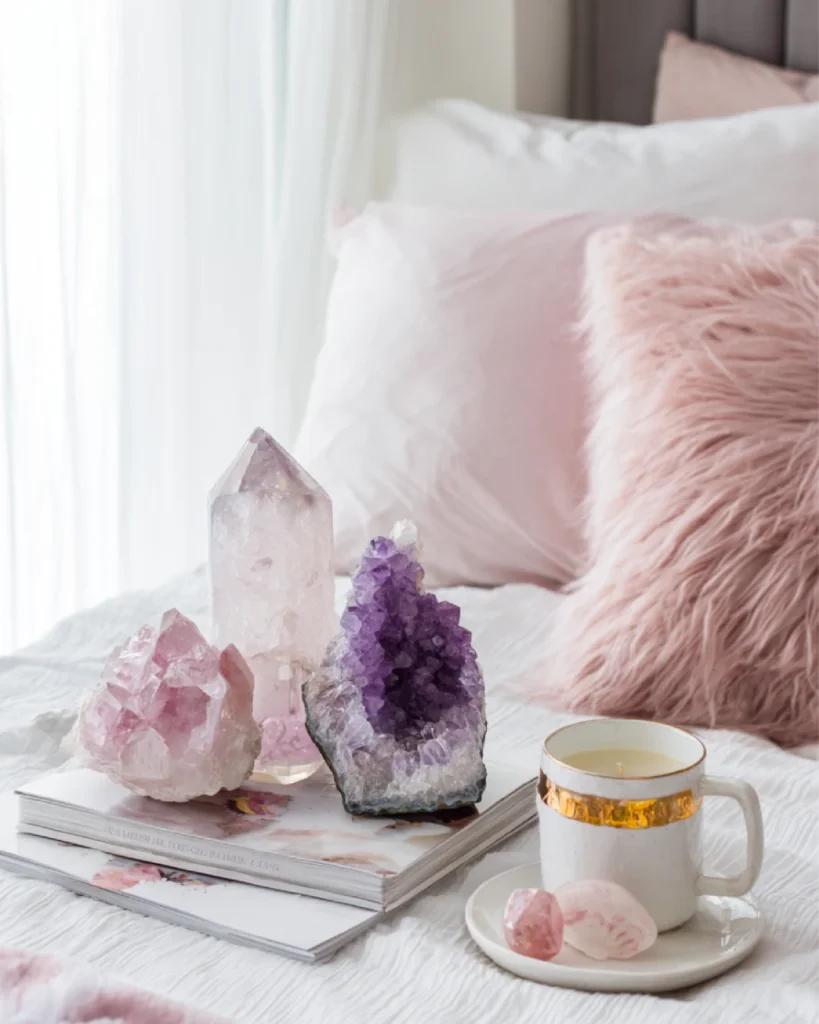
Colour-based arrangements can look especially striking. You might create a soft palette of pink, white and lavender with rose quartz, selenite and amethyst, or a more dramatic display using smoky quartz, black tourmaline and deep purple amethyst. Crystals can also be arranged by intention, with calming stones in a bedroom, energising stones in a workspace and grounding stones near an entrance.
Try to avoid placing delicate or brightly coloured crystals in strong direct sunlight for long periods, as some stones may fade. Amethyst, rose quartz and fluorite, for example, can lose colour if exposed to too much sunlight over time. A shaded shelf, display cabinet or tray often works better than a bright windowsill.
Crystal Collecting as a Mindfulness Practice
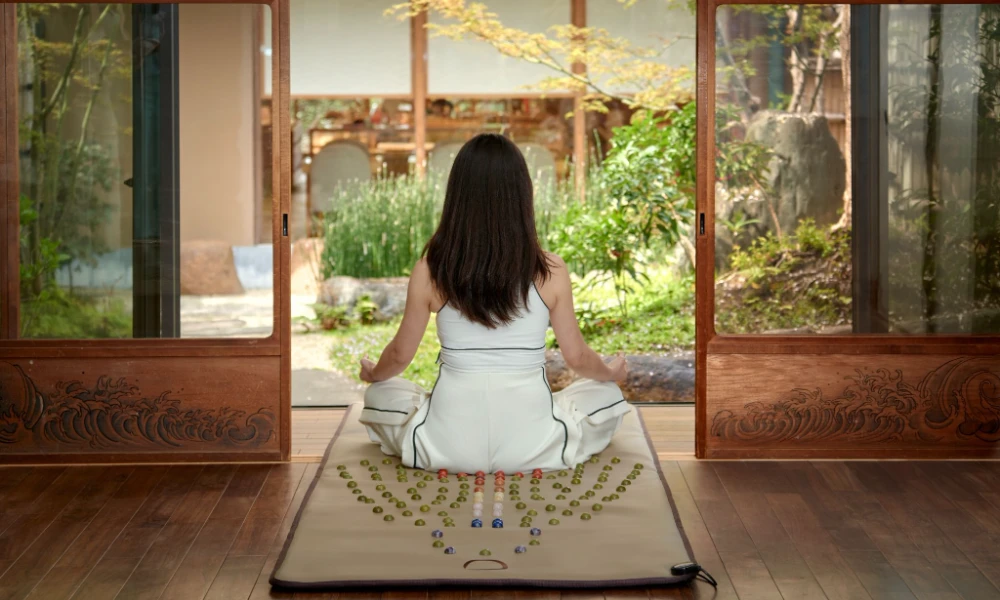
Crystal collecting becomes especially meaningful when it encourages mindfulness. A polished stone held during breathwork can act as a tactile reminder to slow down. A crystal placed beside a journal can become a cue for reflection. A small piece carried in a pocket can offer comfort during stressful moments, much like a worry stone.
The crystal itself does not need to perform a miracle to be useful. The value may come from the pause it creates. In that moment of holding, noticing, breathing or remembering an intention, you shift your attention away from noise and back towards yourself. This is where crystals can sit comfortably within a modern wellbeing practice: not as a cure, but as a symbolic and sensory tool for creating calmer habits.
Collections also tell stories. A crystal bought during a retreat, found during a walk, gifted by a friend or chosen during a difficult life chapter may carry personal meaning for years. Over time, your collection becomes less about acquiring objects and more about remembering moments, places and intentions.
The Geology Behind Crystals
Part of the wonder of crystals lies in how they are formed. There are more than 5,000 recognised mineral species, each created through different combinations of heat, pressure, water, chemistry and time. Some crystals grow in cavities within rocks, some form from cooling magma, and others develop as mineral-rich water evaporates or changes temperature.
Quartz crystals can form perfect six-sided structures, while gypsum can grow into enormous translucent blades. Some of the world’s largest quartz crystals weigh many tonnes. The famous Cave of the Crystals in Naica, Mexico, contains giant gypsum crystals measuring up to 12 metres long, formed over hundreds of thousands of years in hot, mineral-rich water.
Even a small stone on your shelf carries an extraordinary story. Long before it reached a shop, spa or home, it was part of a much larger geological process. Remembering this can make crystal collecting feel less like a trend and more like an invitation to appreciate the natural world.
Frequently Asked Questions About Starting a Crystal Collection
What crystals should a beginner buy first?
The best crystals for beginners are usually clear quartz, rose quartz, amethyst, citrine, black tourmaline and selenite. These stones are popular because they are widely available, visually distinctive and easy to understand. They also introduce a good variety of colours, textures and traditional meanings.
How many crystals should I start with?
It is better to start with five or six carefully chosen crystals than to buy a large number at once. A smaller collection gives you time to learn each crystal’s name, properties, care needs and symbolism before adding more.
Is crystal healing scientifically proven?
There is limited scientific evidence that crystals have measurable healing powers. However, many people use crystals as symbolic objects, mindfulness tools or decorative reminders to pause, breathe, reflect and set intentions. They should never replace medical treatment or professional support.
How do I know if a crystal is real?
Buy from reputable sellers who are clear about whether a crystal is natural, treated, dyed or synthetic. Be cautious with stones that look unusually bright, flawless or inexpensive. Some enhanced stones can still be beautiful, but sellers should be honest about how they have been altered.
Can crystals go in water?
Some crystals, including many quartz varieties, can usually be rinsed briefly in water, but others should be kept dry. Selenite, malachite, pyrite and halite are examples of minerals that may be damaged by water. Always check the care guidance for each specific crystal.
Can crystals fade in sunlight?
Yes, some crystals may fade when exposed to strong direct sunlight for long periods. Amethyst, rose quartz and fluorite are commonly cited examples. To preserve colour, display crystals away from prolonged harsh sunlight.
What is the best way to display crystals?
Crystals can be displayed on shelves, trays, bedside tables, desks or in cabinets. You can arrange them by colour, size, meaning, mineral family or personal memory. Keep delicate stones separate from harder minerals to avoid scratches.
Do crystals need to be cleansed?
Physical cleaning depends on the mineral and should be done carefully. Symbolic cleansing, such as placing crystals in moonlight or arranging them beside selenite, is a personal ritual rather than a scientific requirement. Many people enjoy it as a mindful way to reconnect with their collection.
Final Thoughts: Building a Crystal Collection With Meaning
Starting a crystal collection does not require expert knowledge, expensive purchases or absolute belief in metaphysical claims. It begins with curiosity. You might be drawn to a colour, a shape, a texture or the simple pleasure of holding something beautiful that was formed by the Earth over immense stretches of time.
Whether you collect five crystals or five hundred, the most rewarding collections are built with care. Choose slowly, ask questions, learn about sourcing, understand how to look after each mineral and allow your collection to reflect your own wellbeing journey. Crystals may be beautiful objects, geological wonders, symbolic tools or quiet reminders to pause. Often, they are all of these things at once.
Perhaps that is their lasting appeal. In a fast-moving world, crystals invite us to appreciate patience, permanence and the hidden beauty of the natural world. Each stone carries a story written not in words, but in minerals, pressure, colour and time. For anyone seeking a mindful hobby that blends nature, beauty and reflection, crystal collecting can be a gentle and meaningful place to begin.
Filed underBreathwork, Meditation & mindfulness, Yoga & Pilates, Nature, Spa, Calm, Home & garden sanctuary