
How to Start a Luxury Fragrance Collection Like a True Enthusiast
Learn how to start a fragrance collection the right way. Build a luxury perfume wardrobe with expert tips on sampling, scent families, and budgeting.
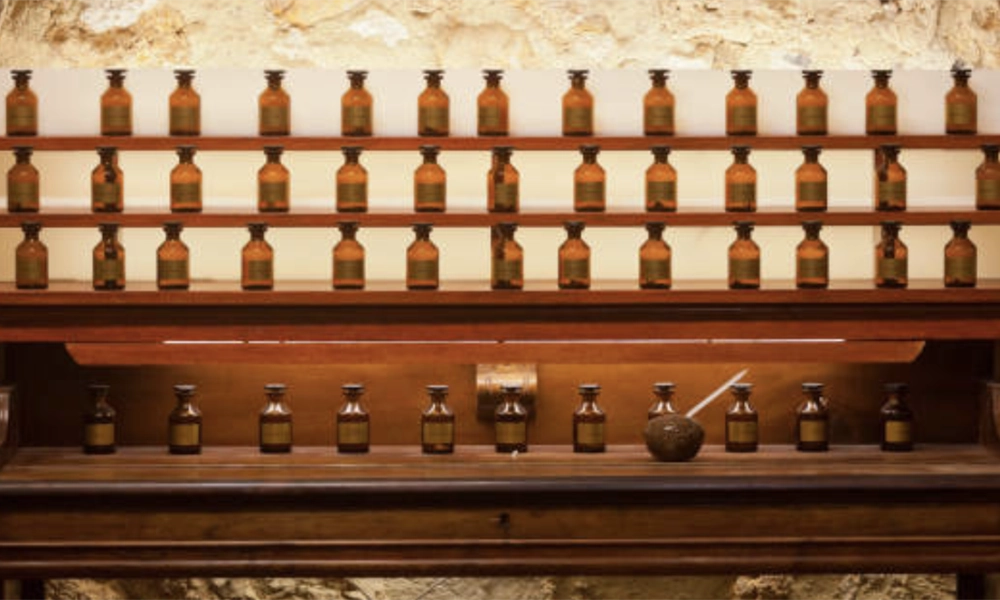
A 2024 report from IntelMarketResearch valued the global luxury niche perfume market at USD 3.8 billion, with projections pointing to USD 7.6 billion by 2032. That growth isn't driven by casual shoppers picking up a bottle at the airport. It reflects a surge in serious collectors who treat fragrance the way others treat wine or art: as something worth studying, investing in, and curating deliberately. Starting a fragrance collection with that mindset changes everything about how you shop, sample, and spend.
This guide covers how to start a fragrance collection from scratch, whether the goal is a small, highly edited wardrobe of five or six bottles or a broader library that covers every season and occasion.
What Makes a Fragrance Collection Different From Just Owning Perfume
Starting a fragrance collection means thinking in terms of range and intention rather than owning whichever bottle caught attention last. A collection covers different contexts: work, evenings, summer heat, winter cold, each with a purpose. Each fragrance earns its place.
According to research, 58% of high-income consumers in 2024 preferred niche fragrances over designer brands specifically because of exclusivity and rarity. That preference signals something useful for anyone starting out: the collector mindset favors depth over recognition. A bottle doesn't need to be famous to be worth owning.
The practical difference between a collection and a random assortment of bottles comes down to two things: coverage and coherence. Coverage means having a scent for every realistic wearing context. Coherence means the collection reflects a genuine point of view rather than impulse purchases stacked up over time.
Part of building coherently is also knowing when and where to find the best perfume deals from authorized retailers, since stretching a budget without compromising authenticity is a skill collectors develop early.
How to Map Your Preferences Before Spending Anything
The most common and costly mistake in starting a fragrance collection is blind-buying before developing any real sense of personal taste. Sampling systematically before committing is the single most important habit to build early.
Understanding the Fragrance Wheel
The fragrance wheel, developed by perfume expert Michael Edwards in 1983, organizes all perfumes into four primary families: Fresh, Floral, Woody, and Amber (Oriental). Each family has subfamilies that narrow the field considerably. Someone who enjoys clean, aquatic scents sits in the Fresh family; someone drawn to warm, resinous depth is in the Amber quadrant.
Identifying which two or three families consistently appeal to you before spending money on full bottles saves both time and money significantly. Most experienced collectors find their preferences cluster around adjacent families on the wheel, which also makes layering easier later on.
Building a Sampling System That Works
Sampling services, decant retailers, and in-store testers are all valid routes. The approach that produces the most useful information:
- Choose three to five samples from different fragrance families to start. Picking only within one family skews early impressions.
- Wear each sample for a full day on skin, not paper strips. Base notes don't reveal themselves on blotter cards.
- Evaluate at three stages: immediately after application, at 30 minutes once the heart notes emerge, and at three to four hours when the dry-down settles.
- Keep a brief record of each sample: what worked, what didn't, and what it reminded you of. Pattern recognition builds quickly with even minimal notes.
- Revisit samples you dismissed early. Olfactory fatigue and first-wear nerves distort impressions. A second wear on a different day often changes the verdict.
How to Build the Collection in Stages, Not All at Once
Starting a fragrance collection works best when treated as an ongoing process rather than a single shopping event. Collectors who try to build a complete wardrobe quickly tend to overspend on bottles they later regret.
The Core Four Framework
Most experienced collectors recommend anchoring the collection around four primary roles before expanding:
- A fresh daily driver. Something light, versatile, and appropriate for any setting. Citrus-woody or aquatic profiles typically serve this role.
- A signature. The fragrance is most closely associated with the wearer's personal identity. Often takes longer to identify and is worth waiting for.
- A night or occasion scent. Deeper, more complex, with stronger projection. This is where niche and luxury houses earn their place.
- A seasonal specialist. Something that performs specifically well in heat (lighter, citrus-forward) or cold (richer, resinous, warming).
Starting from this framework prevents the common trap of owning six similar daytime fragrances and nothing suitable for winter evenings. It also makes gaps obvious: if three of the four roles feel well covered and one doesn't, the next purchase has a clear purpose.
Mixing Designer and Niche Strategically
The collector's approach to budget isn't "spend as much as possible on every bottle." It's about allocating spending to where it creates the most value. Designer fragrances at mid-range prices often cover the daily driver role extremely well. Niche houses earn their premium for the signature or occasion role, where complexity and longevity actually justify the cost.
Many authorized retailers and fragrance subscription services offer significant discounts on both categories at certain times of year, without any compromise on authenticity.
What to Know About Concentrations, Storage, and Longevity
Starting a fragrance collection without understanding concentration formats leads to spending money on bottles that underperform in the intended context.
Concentration Formats at a Glance
| Format | Aromatic Compound % | Typical Longevity | Best Use |
| Parfum / Extrait | 20–40% | 10–12+ hours | Special occasions, evenings |
| Eau de Parfum (EDP) | 15–20% | 6–10 hours | Daily wear, versatile |
| Eau de Toilette (EDT) | 5–15% | 3–6 hours | Casual, warm weather |
| Eau de Cologne (EDC) | 2–5% | 2–3 hours | Light daily use, summer |
For most collectors starting out, EDP is the most practical concentration to build around. It offers longevity close to Parfum without the price premium, and projects well enough for most contexts without overwhelming enclosed spaces.
Storage Basics That Protect the Investment
Fragrance degrades faster than most buyers expect if stored incorrectly. Three rules apply to every bottle regardless of price:
- Avoid direct light. UV exposure oxidizes aromatic compounds and alters the scent over time. Display bottles make for attractive shelves, but poor storage.
- Keep away from heat and humidity. Bathrooms are one of the worst possible places to store perfume. A cool, dark drawer or closed cabinet is ideal.
- Don't shake the bottle. Introducing air accelerates oxidation, particularly in bottles with more than half the fragrance already used.
Avoiding the Most Common Collector Mistakes
Starting a fragrance collection involves a learning curve, and the same errors appear repeatedly:
- Blind-buying based on reviews alone. Fragrance is intensely personal and skin chemistry changes how every composition smells. A universally praised fragrance can smell wrong on specific skin types.
- Over-concentration in one family. A collection of five woody orientals covers one context. Building a range across the fragrance wheel takes deliberate effort.
- Chasing trends rather than personal taste. Popular fragrances cycle in and out of fashion. A signature that reflects genuine preference outlasts any trend.
- Deciding before the dry-down. Many buyers dismiss a fragrance in the first five minutes. The most interesting and distinctive part often appears one to four hours after application.
When the Collection Starts to Take Shape
A luxury fragrance collection takes on its real character not when it reaches a certain number of bottles but when every bottle in it has a clear reason for being there. That's the point collectors describe as when starting a fragrance collection shifts from accumulating to curating.
The time investment in sampling, learning scent families, and building deliberately pays off in a wardrobe that works for every context and still has room to grow. The next bottle becomes easier to choose because the gaps are obvious, the preferences are clear, and the mistakes have already been made on samples rather than full bottles.
FAQ
How many fragrances should a beginner's collection include?
Four to six bottles cover most realistic wearing contexts without creating storage or decision-fatigue problems. A fresh daily fragrance, a signature, an evening scent, and a seasonal specialist form a complete working wardrobe.
Is there a meaningful difference between niche and designer fragrances beyond price?
Yes: niche houses typically use higher concentrations and less common raw materials, formulating for complexity rather than broad commercial appeal. Designer fragrances are optimized for mass-market performance. Neither is inherently better; the right choice depends on which role the bottle is being bought to fill.
How do I know if a fragrance I own has degraded?
Signs include noticeable color change, a sharp or vinegary top-note smell that wasn't present originally, and significantly reduced longevity. Stored correctly and kept mostly full, most fragrances last five to ten years without meaningful change.
How do concentration and price relate when comparing two versions of the same fragrance?
Higher concentration generally means longer wear and stronger projection, but reformulations between EDP and EDT versions are common. Sampling both formats before buying is worth the effort rather than assuming the EDP is simply an intensified copy of the EDT.
Is there a good time of year to buy fragrance for the collection?
Authorized retailers and department stores typically discount most heavily during end-of-year sales and post-holiday periods. Buying at these points for fragrances already identified through sampling is the most practical way to expand a collection without overspending.