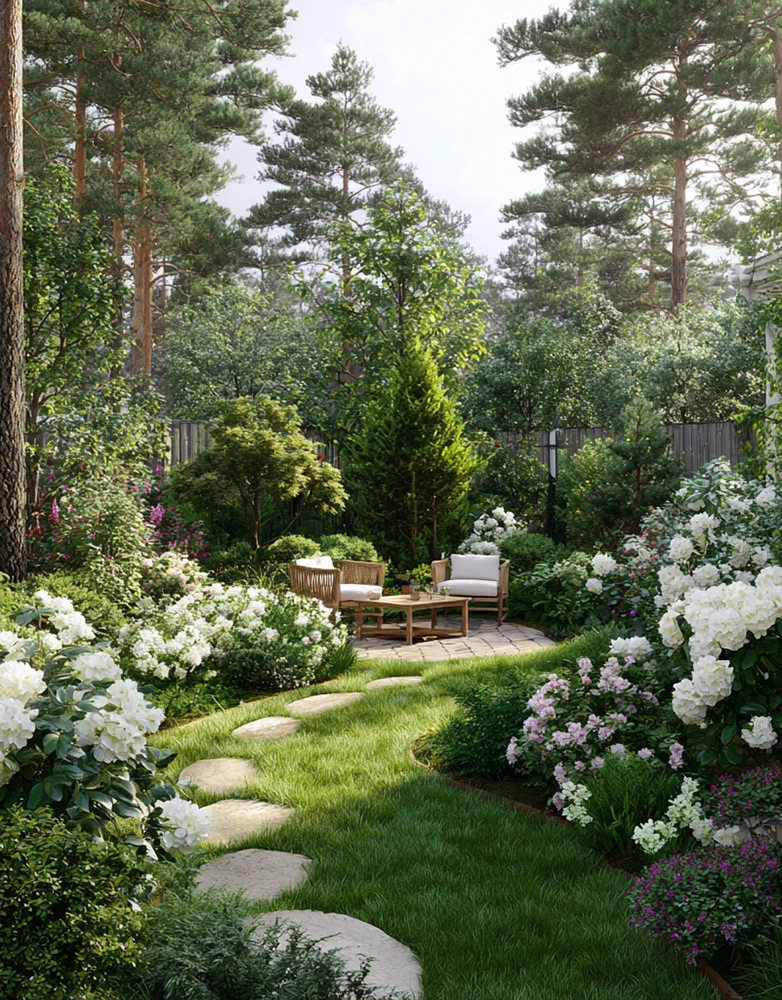
Creating a niche garden can be a fun and rewarding experience. Whether you want a butterfly garden, a rock garden, or a herb garden, it takes care and creativity. A niche garden is special because it lets you showcase specific plants and themes that reflect your style or needs.
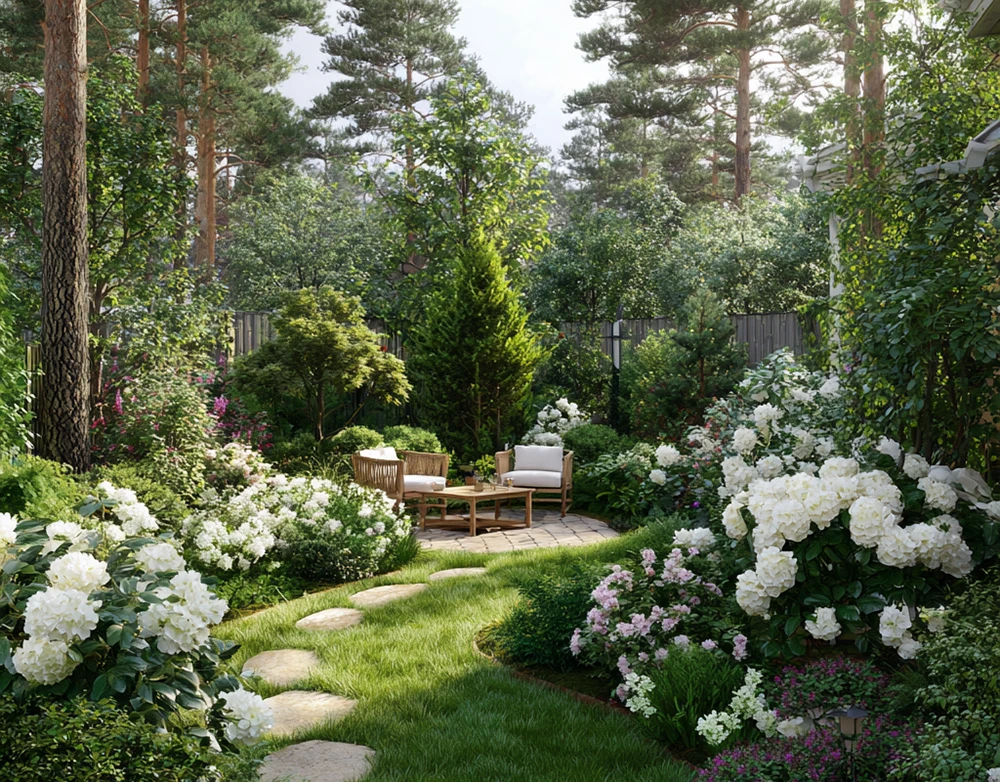
To start, understand the needs of the plants you choose. Each plant has its ideal growing conditions, such as the type of soil, sunlight, and water it requires. Educating yourself about the plants that will thrive in your garden is essential.
Let’s learn how to take care of a niche garden.
Plant Selection
Choosing the right plants is crucial for your niche garden’s success. Research the species you want to grow, focusing on their care needs and how they fit into your garden. If you want a unique crop, you can buy cannabis seeds online. Many trusted websites offer a variety of strains suited to different climates, helping you create a garden that suits you. Picking the right seeds can enhance your gardening experience.
Consider adding companion plants that support each other’s growth. Some herbs can keep pests away from your flowers. This relationship supports a healthier garden while adding texture and colour to your space.
Soil Preparation
Good soil is essential for any garden. For a niche garden, ensure the soil meets your plants’ needs. You may need to add organic materials like compost or choose a soil mix that fits your plants, whether they like sandy, loamy, or clay-rich soil. Testing the soil’s pH can help you know what adjustments to make.
Start by removing any debris from your garden bed. Use a garden fork to loosen the soil, which helps air and nutrients reach the roots. Depending on what you’re growing, you should create raised beds or mounds to improve drainage, especially for plants that prefer dry conditions.
Watering Techniques
Watering your niche garden needs a careful approach. Too much or too little water can harm your plants. Understand how much water each plant type needs. Some may need daily watering, while others need a deep soak a few times a week. It’s best to water early in the morning to reduce evaporation and improve soil moisture absorption.
Think about setting up a drip irrigation system. This method delivers water directly to the roots, reducing waste and keeping moisture levels steady. You can adjust this system as needed throughout the seasons for different plant needs.
Plant Care Routine
Creating a regular care routine can help your niche garden thrive. Set a schedule for watering, weeding, and fertilizing. Check your plants often to spot any problems early, such as pests or diseases. Use organic pest control to keep a healthy balance in your garden.
Pruning is also important, especially for flowering plants. Remove dead or wilted flowers to promote new growth and extend blooming time. This practice helps keep the plants healthy and well-shaped.
Seasonal Adjustments
Change your care strategy with the seasons to keep your garden successful. During hot months, protect delicate plants with shade or barriers against extreme heat. In fall, consider planting cover crops to improve soil health over winter.
As the seasons change, adjust your planting and maintenance style. Spring is often ideal for new plants, while autumn is good for preparing your garden for winter dormancy. Knowing the seasonal patterns in your area helps your garden thrive year-round.
Community and Support
Connecting with local gardening communities offers valuable knowledge and inspiration. Join a gardening club or participate in online forums to stay passionate and learn new techniques. Sharing experiences with other gardeners can lead to plant swaps and helpful tips specific to your niche.
Visiting botanical gardens or specialized nurseries can also deepen your gardening knowledge. These places often have plants that thrive in your area, so you can see what works best.
Growing a niche garden is about more than just plants. It’s about creativity, connection, and nature. By choosing the right plants, preparing your soil, and sticking to a care routine, you can build a thriving garden that reflects your interests.
- About the Author
- Latest Posts

Our Editorial Team are writers and experts in their field. Their views and opinions may not always be the views of Wellbeing Magazine. If you are under the direction of medical supervision please speak to your doctor or therapist before following the advice and recommendations in these articles.