Dog owners across the UK know the pattern. You see it once, then again. Then it sticks. A dog scratches. Again. And again. The cause is rarely obvious at first glance. Skin problems show up often in primary veterinary care. Very often. They remain one of the most common reasons for vet visits. Environmental allergens. Food sensitivities. Contact irritants. Sometimes all at once. That overlap creates confusion, especially when similar symptoms come from entirely different triggers.
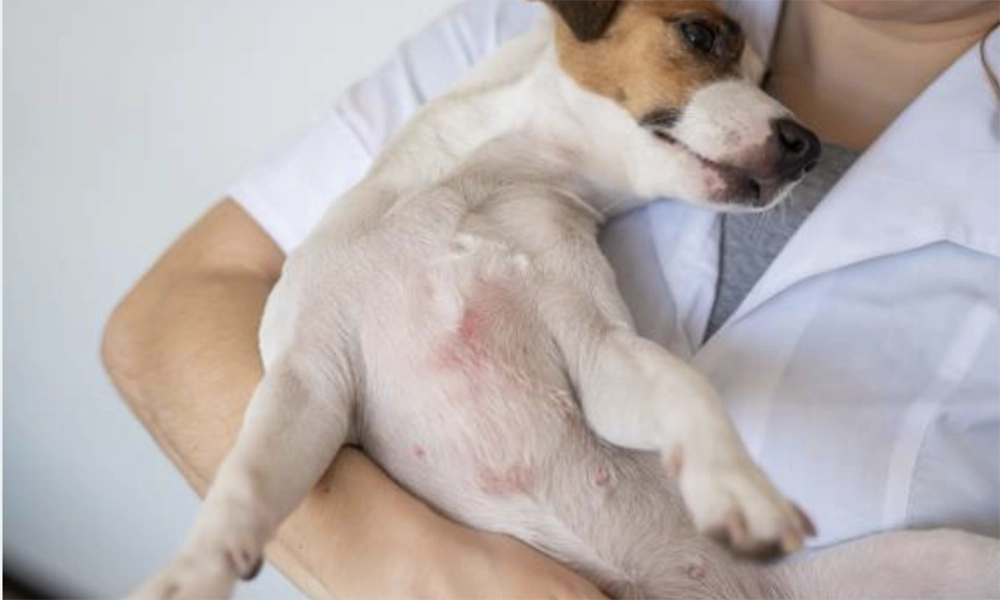
Early signs get ignored more than they should. It starts small. Then it repeats. Then it becomes routine. Redness spreads. The coat feels off when you run your hand through it. Subtle at first. Then not really. These shifts rarely stay contained. Yet many owners hesitate. They wait, they watch, they assume it might pass. Sometimes it does. Often it doesn’t. Without tracking what is actually happening, everything turns into guesswork, and guesswork slows down the right decision.
This article focuses on four practical areas that affect canine skin health at home. Environment, diet, grooming, mental state. Each one plays a role. Small at times. Bigger than expected in others.
Why Canine Skin Problems Are More Common Than Many Owners Realise
Skin disorders appear in a large share of UK dogs under veterinary care. Not rare. Not occasional. Regular. Conditions like atopic dermatitis keep coming back across breeds and age groups. They are not isolated cases.
Costs follow. Insurance claims linked to skin allergies stay high. And they rarely stop at one visit. Treatment continues. Visits repeat. Management stretches out. It adds up quicker than expected. For many households, this becomes routine, not an exception.
Breed tendencies shape risk. Short-coated dogs. Flat-faced breeds. French Bulldogs. Staffordshire Bull Terriers. You see it more often here. Not always the same pattern though. Then seasonality steps in. Spring, autumn, pollen spikes, mould rising. It lines up with a UK pollen calendar if you watch timing closely.
Catch it early and you avoid a bigger problem. Leave it, and it builds. Secondary infections make things harder fast. Timing matters here. What changed. Where the dog was. What happened before it started. These details look small. They are not. Over time, they form a clearer picture that helps vets act faster and with more precision.
Environmental and Lifestyle Factors That Influence Dog Skin Health
A dog’s environment affects its skin condition every day. Indoor triggers come first. Dust mites. Mould spores. Cleaning residue. You don’t see them. Still there. The dog reacts.
Outdoor exposure adds another layer. Grass pollen, seasonal plant matter, damp ground after rain. Dogs with sensitivity respond quickly. Sometimes within hours. Sometimes later. Depends.
Diet plays its part. Poor-quality food weakens the skin barrier gradually. Not overnight. Low omega-3 shows up in skin function, not just appearance. The skin reacts differently. Some dogs react to certain proteins. Timing makes it harder to spot. Weeks pass. Sometimes months. Then it clicks.
Mental state feeds into this as well. Stress affects immune response. An anxious dog scratches more, then scratches harder. The skin reacts. Discomfort builds. The cycle continues. Hard to interrupt once it settles in.
A simple dog skin health assessment helps organise scattered observations into something usable when tracking recurring symptoms at home. Patterns begin to show. Slowly. Then clearly enough to act.
Practical Home Adjustments That Actually Make a Difference
Small changes help more than expected. Hoover more often. Dust drops. Air improves. HEPA filters help too. Not instantly. But you notice.
Bedding matters more than expected. Wash it weekly. Keep it simple. Fragrance-free. Non-biological. Strong scents sound good. They don’t help.
Grooming needs balance. Too frequent bathing dries the skin out. Too little allows build-up on the coat. Finding that middle point takes adjustment. Not perfect from the start.
Product choice matters. Balanced pH. Hypoallergenic formulas. Fewer unnecessary ingredients. Usually safer. Not always. But often enough to notice a difference.
Recognising Early Warning Signs of Skin Issues in Dogs
Early signs don’t stay quiet. Scratching builds. Licking repeats. Biting focuses on the same spots. You start noticing it more once you pay attention.
Visible changes follow. Redness, inflammation, patches of hair loss. Dry or flaky skin. Sometimes a smell that was not there before. None of these appear without reason.
Behaviour shifts too. Restless. Irritable. Sleep breaks. You see this before the skin shows it clearly, the same patterns recognised in animal behavioural assessment standards when discomfort shows up through behaviour before anything visible appears.
Tracking what happens over time changes everything. Where the dog scratches. How often. What changed before it started. These details, written down, start forming a clearer picture. Patterns appear faster when observations are consistent, not scattered across memory.
Using a dog skin health quiz or an itchy dog assessment result helps organise that information. Loose observations stop being noise. They start making sense. Vet conversations get sharper. Less guessing.
When to Consult a Veterinarian and What Information to Bring
Seven to ten days pass and nothing changes. That’s your signal. Book it. Waiting longer rarely helps. Usually it makes things worse, especially when you are not sure what to expect at a veterinary clinic once symptoms move beyond what can be managed at home.
Recurring issues usually point to something deeper. Allergies. Chronic conditions. Something that needs proper investigation. Patterns matter here. Notes, timelines, previous reactions. Bring everything.
Preparation changes the appointment more than most expect. A simple timeline of symptoms, details about diet, recent environmental changes, grooming products used. Put together beforehand, this information speeds things up and improves accuracy.
Documented patterns from repeated observations or a dog scratching quiz give direction. Not guesses. Direction.
Regulation is shifting as well. The UK’s Competition and Markets Authority pushes for clearer communication now. Less vague talk. More clarity for owners. Fewer grey areas.
Telemedicine is picking up. Quietly, but steadily. Early chats happen online now. Follow-ups too. Not a replacement. Still useful. Especially early on.
Skin issues in dogs rarely fix themselves by chance. They build. Quietly at first. Then faster than expected. What makes the difference is not one change, but consistency across small actions. Environment. Diet. Routine. Attention.
When owners track patterns early and act without delay, outcomes shift. Less discomfort. Fewer complications. Clearer conversations with a vet. That control matters. Not just for the dog, but for the person trying to make the right call without guessing.
- About the Author
- Latest Posts

Our Editorial Team are writers and experts in their field. Their views and opinions may not always be the views of Wellbeing Magazine. If you are under the direction of medical supervision please speak to your doctor or therapist before following the advice and recommendations in these articles.