
Construction projects never truly stop across the capital. From home extensions and loft conversions to full property refurbishments and commercial fit-outs, development is constant. But behind every successful build is a less visible responsibility, managing waste safely, legally, and efficiently.
Construction sites generate significant amounts of debris, including concrete, bricks, timber, plasterboard, metal, soil, packaging, and mixed materials. If this waste is not handled properly, it can create environmental risks, legal complications, project delays, and reputational damage. That’s why safe and compliant Construction Waste Disposal in London is not just an operational task, it’s a core part of responsible construction management.
This article explains why compliance matters, what regulations require, and how professional waste clearance services help contractors, developers, and property owners stay protected while keeping projects running smoothly.
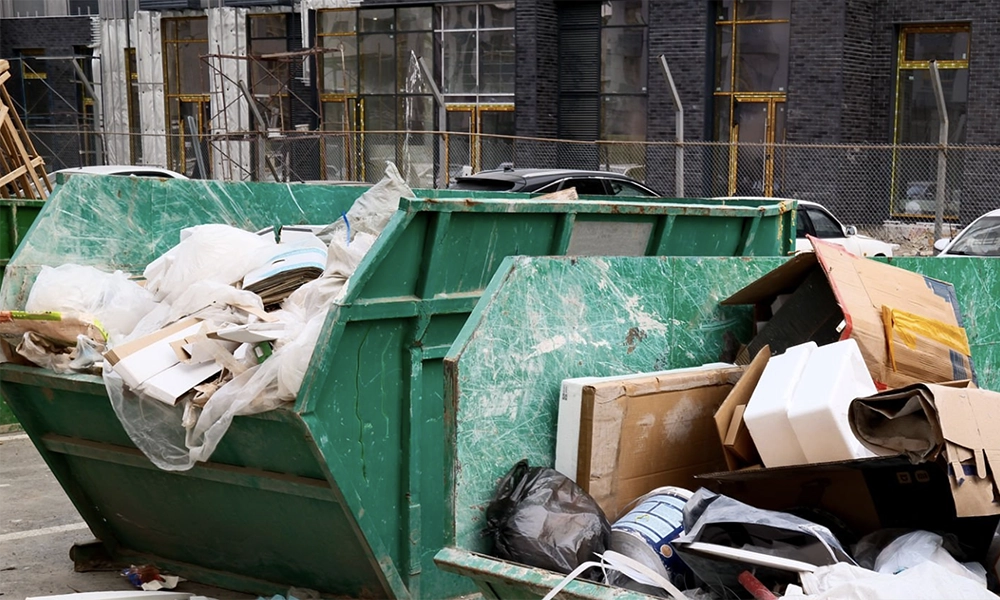
Why Construction Waste Must Be Managed Properly
Construction and renovation waste is very different from household rubbish. It is heavier, often mixed, sometimes hazardous, and usually produced in large volumes within short timeframes.
Improper disposal can lead to:
- Fines and legal action
- Environmental harm
- Delays caused by enforcement notices
- Increased site safety risks
- Damage to professional reputation
Local authorities take waste offences seriously, especially fly-tipping or using unlicensed carriers. Even if a contractor did not personally dump waste illegally, they can still be held responsible if they failed to ensure it was handled by a licensed provider.
Compliance is not optional, it is a duty of care.
Understanding Your Legal Responsibilities
Anyone producing construction waste has a legal responsibility to ensure it is:
- Stored safely on site
- Transported by a licensed waste carrier
- Taken to an authorised recycling or disposal facility
- Properly documented
This “duty of care” applies to builders, contractors, developers, landlords, and property managers.
You must be able to demonstrate that your waste was transferred legally. This includes having waste transfer notes and confirmation that the company collecting your waste is properly registered.
Failing to meet these requirements can result in significant penalties.
Environmental Impact: Why Responsible Disposal Matters
Construction waste contributes heavily to landfill volumes when not managed correctly. However, a large percentage of building materials can actually be recycled or repurposed.
Materials commonly recycled include:
- Concrete and hardcore
- Metals
- Wood
- Cardboard and packaging
- Soil and rubble
By working with a professional waste clearance company that prioritises responsible disposal, you help reduce landfill use and support recycling efforts across the capital.
Sustainable waste management is not just good practice, it is increasingly expected by clients and stakeholders who value environmentally responsible construction.
Common Types of Construction Waste
Every building project generates different waste streams. Some of the most common include:
1. Demolition Waste
Bricks, concrete, tiles, plaster, and structural debris from structural alterations or tear-downs.
2. Renovation Waste
Old fixtures, flooring, kitchen units, bathroom fittings, and general refurbishment materials.
3. Packaging Waste
Plastic wrapping, cardboard, pallets, and protective materials from new installations.
4. Soil and Hardcore
Excavation waste from groundwork and landscaping projects.
5. Mixed Builders Waste
A combination of timber, rubble, metal, and general site debris.
Efficient segregation on-site improves recycling rates and reduces disposal complications.
The Risks of Fly-Tipping and Illegal Carriers
Unfortunately, some construction teams are tempted by unusually cheap waste collection offers. These operators often lack proper licensing and may dump waste illegally to cut costs.
If your waste is fly-tipped and traced back to your project, you can still face enforcement action.
Warning signs of unreliable waste collectors include:
- No waste carrier registration number
- Cash-only transactions
- No paperwork or transfer notes
- Extremely low quotes compared to market standards
Using a reputable, licensed provider protects your business from unnecessary legal exposure.
Site Safety and Cleanliness
Construction sites are busy environments. Accumulated waste increases trip hazards, blocks access routes, and creates unsafe working conditions.
Regular waste removal ensures:
- Clear walkways
- Safer movement of equipment
- Reduced fire risks
- Improved productivity
- Better presentation for inspections and client visits
Professional site clearance supports compliance not only with waste regulations but also with health and safety standards.
Efficient Waste Management Supports Project Timelines
Delays in waste removal can halt progress. Overflowing skips or piled debris can prevent work from continuing in key areas.
Reliable waste collection ensures:
- Timely removal of accumulated materials
- Flexible collection schedules
- Same-day or next-day clearances where required
- Reduced downtime
For active construction sites, responsive service makes a measurable difference to project flow.
Responsible Builders Protect Their Reputation
In today’s market, reputation matters more than ever. Clients, developers, and investors expect professionalism at every stage of a project, including waste management.
Safe and compliant disposal demonstrates:
- Commitment to environmental responsibility
- Respect for local communities
- Professional site management
- Regulatory awareness
For contractors offering services such as builders waste removal london, maintaining high disposal standards strengthens credibility and trust.
Why Professional Waste Clearance Services Make a Difference
Partnering with an experienced waste clearance provider offers several advantages:
Licensed Waste Carrier
Ensures full legal compliance and proper documentation.
Proper Disposal Channels
Waste is transported to authorised recycling and processing facilities.
Labour Included
Teams handle loading and removal, saving time and manpower.
Flexible Collection Options
Ideal for both small renovation projects and large-scale construction sites.
Clear Documentation
Waste transfer notes provide proof of responsible disposal.
This removes uncertainty and reduces administrative burden for contractors.
Supporting Sustainability Goals in Construction
Sustainability is no longer an optional consideration in construction. Developers and property owners increasingly prioritise environmentally responsible practices.
Working with a waste removal company that separates materials and maximises recycling contributes to:
- Lower carbon impact
- Reduced landfill dependency
- Improved ESG credentials
- Positive community perception
Proper waste segregation and responsible disposal are practical steps toward greener building practices.
Choosing the Right Waste Removal Partner
When selecting a construction waste clearance provider, look for:
- Valid waste carrier licence
- Transparent processes
- Clear documentation
- Experience handling construction materials
- Strong local reputation
- Flexible scheduling
Avoid companies that cannot provide proof of registration or proper paperwork.
A professional provider will explain how waste is handled and where it is taken, transparency is essential.
Practical Tips for Managing Construction Waste on Site
To maintain compliance and efficiency, consider the following:
- Plan waste removal in advance: Schedule collections based on project phases.
- Separate materials where possible: Improves recycling and simplifies processing.
- Avoid overloading storage areas: Keep the site safe and organised.
- Keep documentation secure: Store waste transfer notes properly.
- Work only with licensed carriers: Always verify credentials.
Simple steps like these reduce risk and improve operational efficiency.
The Bigger Picture: Responsibility Beyond the Site
Construction activity impacts surrounding communities. Poorly managed waste can cause blocked pathways, dust issues, and visual disturbance.
Responsible waste disposal helps maintain good relationships with neighbours and local authorities. Clean sites reflect professionalism and consideration.
Contractors who prioritise compliance not only protect their own business but also contribute positively to the wider community.
Final Thoughts
Construction projects generate significant waste, but how that waste is handled defines the professionalism of the contractor behind the build.
Safe and compliant waste management protects businesses from legal consequences, supports environmental responsibility, improves site safety, and maintains project timelines. It is a core part of responsible construction practice.
By working with licensed and experienced clearance specialists, contractors can focus on delivering quality builds while ensuring every load of debris is handled properly and legally.
Frequently Asked Questions
Who is responsible for construction waste on a project?
The builder, contractor, landlord, or property owner producing the waste is legally responsible. They must ensure it is stored safely, collected by a licensed carrier, and taken to an authorised facility with proper documentation.
What happens if construction waste is disposed of illegally?
If waste is fly-tipped or handled by an unlicensed carrier, the original producer can face fines or legal action. Verifying licences and keeping waste transfer notes protects you from liability and enforcement penalties.
Can construction materials be recycled?
Yes. Concrete, bricks, metal, timber, soil, and packaging can often be recycled. Using a professional clearance provider that separates materials reduces landfill waste and supports environmentally responsible construction practices.How often should construction waste be removed?
It depends on project size and phase. Regular collections keep sites safe, organised, and compliant. Timely waste removal prevents delays, reduces hazards, and helps maintain efficient workflow throughout the build.
- About the Author
- Latest Posts

Our Editorial Team are writers and experts in their field. Their views and opinions may not always be the views of Wellbeing Magazine. If you are under the direction of medical supervision please speak to your doctor or therapist before following the advice and recommendations in these articles.