Hospitals throw away tons of waste every single day. Most of this waste comes from operating rooms where surgeries happen around the clock. Tracking where this waste comes from and where it goes has always been difficult. Paper records get lost, manual counts take forever, and mistakes happen constantly. But technology is changing everything. Digital tracking systems now connect surgical supplies for medical procedures to smart monitoring platforms that follow every item from the moment it enters the hospital until it gets properly disposed of. These innovations help hospitals cut waste, save money, and protect the environment. This article explores how modern tracking technology is transforming surgical waste management and making operating rooms more efficient.
Why Surgical Waste Tracking Matters?
Operating rooms create more waste per square foot than any other hospital department. Hospitals face rising disposal costs that eat into already tight budgets. Without proper tracking, facilities have no idea where their waste dollars go.
Environmental regulations keep getting stricter. Regulators now demand detailed records showing what waste hospitals generate and how they handle it. Tracking systems provide the documentation facilities needed to stay compliant and avoid fines.
Patient safety depends on knowing where surgical items end up. Tools left inside patients cause serious injuries and expensive lawsuits. Tracking every instrument prevents these dangerous mistakes.
Digital Systems Replace Manual Counting
The old way of managing surgical waste relied on staff manually writing down what got thrown away. This process was slow and full of errors.
Modern digital platforms change everything. Staff members scan items as they get used and discarded. The system automatically records what went into the trash, when it happened, and who was in the room.
These platforms run on tablets or computers already in operating rooms. The software connects to hospital networks and shares data instantly across departments. Digital tracking cuts the time staff spend on waste documentation by more than half.
Barcode Technology Leads Adoption
Scanning barcodes has become the most common way hospitals track surgical waste. Over 80% of facilities using tracking systems rely on this proven technology.
Barcode labels cost just pennies each. Any hospital can afford to tag thousands of items without breaking the budget. The scanners work with existing computer systems most facilities already own.
Each surgical supply comes with a unique barcode. When staff open a package, they scan it into the system. If the item gets thrown away unused, another quick scan records it as waste.
Facilities using barcode tracking report 30-40% reductions in disposal costs within the first year. They identify which items get wasted most often and make smarter purchasing decisions. Barcode systems also catch billing errors and ensure every chargeable supply gets properly documented.
RFID Tags Provide Advanced Tracking
Radio Frequency Identification represents the next level in waste tracking technology. These small tags communicate with readers without needing direct line of sight.
RFID chips get attached to surgical instruments, containers, and individual supplies. Readers placed throughout the hospital automatically detect when tagged items move between rooms. The system knows where everything is at all times.
Unlike barcodes that must be scanned individually, RFID readers capture dozens of tags simultaneously. A nurse wheeling a cart past a reader records everything on that cart in seconds.
RFID tags stay active even after items get thrown away. Readers at waste collection points record exactly what went into each disposal bin. Facilities track waste by operating room, procedure type, or surgeon to identify patterns.
The technology costs more than barcodes. RFID tags run from one dollar to thirty dollars each. However, facilities using RFID report even greater waste reductions than barcode systems deliver.
Smart Bins Monitor Waste in Real Time
The newest innovation involves waste containers that weigh and analyze their contents automatically. These smart bins connect to hospital networks and provide live updates.
Sensors built into disposal containers measure how much waste accumulates. Weight data gets transmitted to central monitoring systems that track fill levels across the entire facility. Collection crews know exactly which bins need emptying without checking manually.
Some advanced bins use cameras and artificial intelligence to identify what type of waste gets deposited. The system can tell the difference between regular trash, infectious waste, and recyclable materials.
Hospitals using smart bins reduce waste pickup frequency by 25%. Collection only happens when bins actually fill up rather than on fixed schedules.
Cloud Software Connects Everything
Modern waste tracking systems store all their data in the cloud. Information stays accessible from anywhere and never gets lost if a computer crashes.
Cloud platforms combine data from barcode scanners, RFID readers, and smart bins into one complete picture. Hospital administrators view dashboards showing waste generation by department, shift, or procedure type.
The software generates automatic reports that used to take days of manual work. When regulators ask for waste records, facilities produce complete reports immediately.
Cloud systems also enable data sharing between hospitals. Facilities compare their waste generation rates against similar institutions to identify improvement opportunities.
Predictive Analytics Find Hidden Savings
Collecting waste data opens doors to smarter decision making. Hospitals now predict future waste patterns and prevent problems before they happen.
Software analyzes months of tracking data to find trends humans miss. Maybe one surgeon consistently orders extra supplies that never get used. Perhaps certain procedure types generate twice as much waste on night shifts.
Systems predict how much of each item will actually get used versus wasted. Purchasing departments order smarter quantities. Items that frequently go unused get ordered less often.
When tracking shows a particular supply runs low at specific times, the system alerts staff before shortages happen. This prevents last-minute emergency orders that create excess waste. Hospitals using predictive analytics report 15-20% additional cost savings beyond basic tracking.
Mobile Apps Put Tracking at Staff Fingertips
Hospital workers carry smartphones constantly. Waste tracking apps let them scan and record items using devices already in their pockets.
Modern apps work offline when network connections drop. Data syncs automatically once connectivity returns. Staff never lose tracking information because of technical problems.
The apps show real-time waste data relevant to each user. Operating room nurses see their waste totals for the current shift. Managers view facility-wide statistics.
Push notifications alert staff about important waste events. If infectious waste gets placed in a regular trash bin by mistake, the system immediately warns nearby workers to correct the error.
Integration with Hospital Systems
Waste tracking works best when connected to other hospital software. Modern platforms integrate with electronic health records, inventory management, and billing systems.
When the waste tracking system shows an expensive surgical stapler got thrown away, it automatically checks whether that stapler was used in a procedure. If used, the system ensures the patient’s bill includes the item.
Integration with surgical scheduling systems helps predict waste volumes. The platform knows which procedures generate the most waste and prepares disposal resources accordingly. These connections eliminate duplicate data entry.
Improving Staff Accountability
Tracking technology creates transparency that encourages better waste management behaviors. When staff know their waste gets measured, they become more mindful about disposal decisions.
Systems can track waste generation by individual staff members or teams. This identifies training opportunities. If one team generates significantly more waste than others performing similar work, they might benefit from efficiency coaching.
The data also reveals which procedures or techniques create the most waste. Facilities develop targeted training to address specific waste sources. New employees benefit from seeing waste benchmarks during training.
Tracking Hazardous Waste Separately
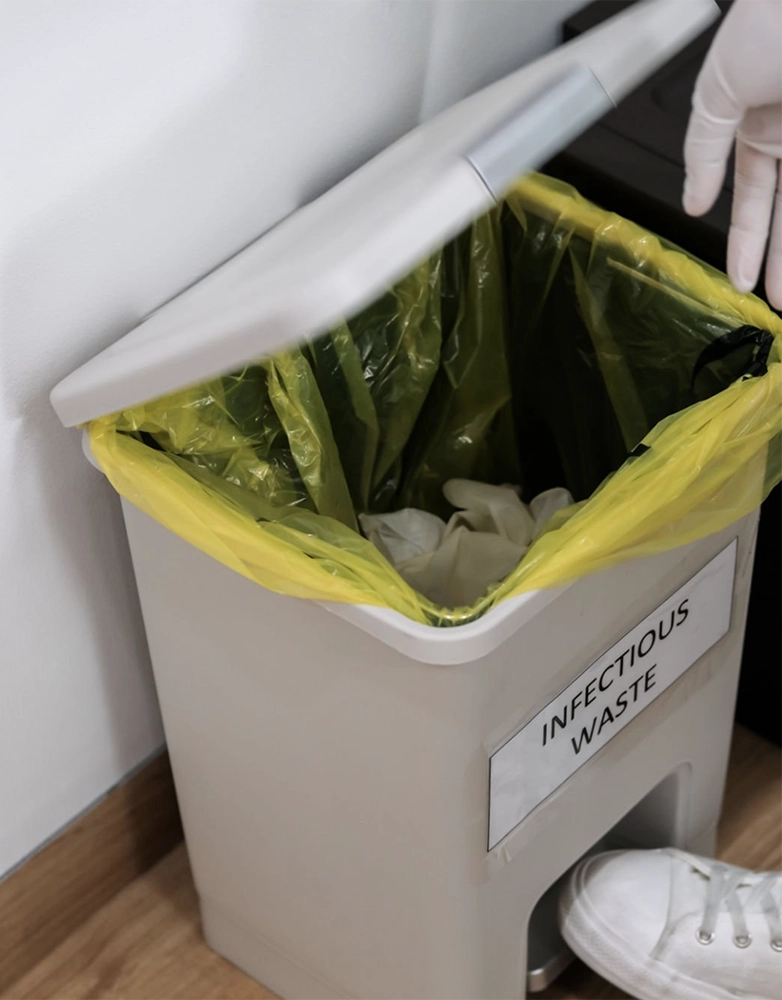
Not all surgical waste can be thrown away the same way. Infectious materials, sharp objects, and chemical waste need special handling. Tracking systems categorize waste types automatically.
Color-coded containers with different barcode or RFID identifiers ensure proper separation. When staff scan an item going into a red bag for infectious waste, the system records it differently than items in regular trash.
The technology prevents dangerous mixing. If someone accidentally drops an infectious item into regular waste, the tracking system detects the mismatch and triggers an alert.
Proper categorization also reduces costs. Hospitals pay premium prices for hazardous waste disposal. Tracking ensures only materials that truly require special handling go into expensive disposal streams.
Benefits Beyond Waste Reduction
Tracking technology delivers additional advantages that improve hospital operations broadly. Knowing what gets wasted helps purchasing departments stock the right amounts. Storage rooms stay organized without excess inventory taking up space.
Systems that track every surgical instrument prevent tools being left inside patients. If a counted instrument doesn’t get scanned out of the operating room, alarms sound immediately.
Detailed waste data lets hospitals accurately report their environmental impact. Facilities pursuing green certifications have the documentation they need. Automated record-keeping ensures hospitals always have the documentation regulators require.
Overcoming Adoption Challenges
Despite clear benefits, some hospitals hesitate to implement tracking technology. Tracking systems require upfront investment. However, most facilities recover costs within 18-24 months through waste reduction and operational savings.
Change is hard for busy healthcare workers. Successful implementation involves staff from the beginning. When nurses and technicians help choose and design systems, they become champions rather than resisters.
Working with vendors who specialize in healthcare integration makes connecting new platforms to existing hospital systems manageable.
Conclusion
Technology has changed surgical waste tracking through digital systems that cut disposal costs by 30-40%. Barcodes, RFID tags, and smart containers provide real-time visibility while cloud software reveals waste patterns. These innovations improve patient safety and regulatory compliance while making tracking effortless for staff.