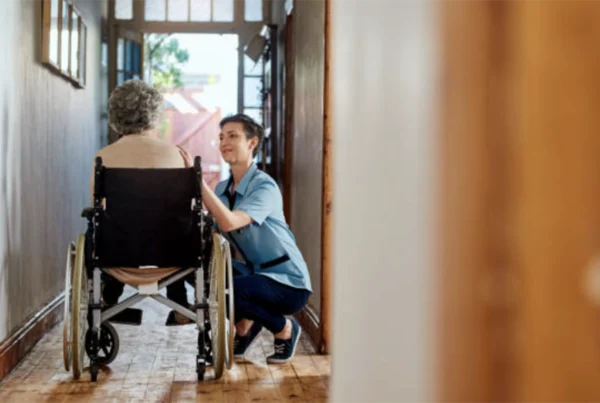

Getting a call that your parent has fallen in a nursing home can be deeply unsettling. You may try to stay composed and trust what you are told, but questions sometimes linger. The explanation feels rushed. The timing seems unclear. Your loved one appears shaken or unusually quiet. That sense that something does not quite add up can weigh heavily.

Feeling concerned in these moments is not wrong. It is often your instincts responding to real signs that deserve attention. Falls are one of the most serious risks in nursing homes in Columbus. But while some are accidental, unfortunately, many happen because proper care or safety measures were not in place. That is why careful investigation matters
This article is here to support you by explaining how to understand what happened and what steps are available if neglect may be involved.
Keep reading.
How Families Can Begin Investigating
Investigating a fall does not mean accusing anyone or jumping to conclusions. It simply means seeking clarity and making sure your parent or loved one is safe. Taking a calm, step-by-step approach can help you feel more grounded during a stressful time.
Talk With Your Loved One
If possible, start by talking directly with your parent or family member. Keep the conversation gentle and unrushed. Ask them how they feel and what they remember about the fall. Some residents may feel embarrassed or fearful, especially if they worry about consequences. Pay attention not just to words, but to emotions like anxiety, confusion, or hesitation.
Speak With Nursing Home Staff
Next, request a clear explanation from the facility. Ask when and where the fall happened, who was present, and what assistance was provided. It is reasonable to ask for an incident report and medical notes related to the fall. If answers feel vague or rushed, that alone can be an important signal.
Review Care Plans and Fall Prevention Measures
Many residents have care plans that include fall-risk assessments and prevention strategies. Ask whether your loved one was considered at risk and what precautions were in place. Were mobility aids available? Was supervision provided as outlined? Understanding whether the care plan was followed matters.
What to Do If The Investigation Raises Concerns
When explanations do not fully make sense or important details are missing, it may suggest that the fall was not simply accidental. These moments call for careful attention and next steps that focus on your loved one’s wellbeing. Acting with clarity and support can help address the situation and prevent further harm.
Reach Out for Legal Guidance
One of the first supportive steps can be reaching out to an experienced nursing home fall lawyer in Columbus. This does not mean filing a lawsuit right away. It means speaking with someone who understands how these cases are evaluated and what questions truly matter.
A team of knowledgeable attorneys, such as Beausay & Nichols Law Firm, can help review incident reports, care plans, and timelines to determine whether proper safety measures were followed. They can explain your options in plain language and help you understand whether neglect may have contributed to the fall. And should the situation require formal action, they can handle that process as well. For many families, this conversation brings clarity and relief during an otherwise confusing time.
Report Safety Concerns to Oversight Agencies
Reporting to the appropriate oversight agencies is an important next step. State health departments, long-term care ombudsmen, and workplace safety authorities such as OSHA are responsible for monitoring conditions in nursing homes. These agencies can review whether safety standards are being followed, especially in cases involving environmental hazards, staffing issues, or repeated incidents.
Reporting concerns serves a clear purpose. It creates a documented record of potential risks and prompts formal review when conditions may place residents in danger. This step is not about confrontation. It is about ensuring accountability and encouraging improvements that reduce the risk of future falls. In many cases, oversight involvement leads to corrective actions that strengthen safety for everyone in the facility.
Consider Whether a Change in Facility Is Needed
If concerns continue despite conversations and follow-up, it may help to pause and think about whether the current facility feels like the safest place. Ongoing issues, unclear communication, or repeated incidents can understandably create unease and worry.
Looking into other care options is a way to protect your loved one, not a sign of failure. Visiting other facilities, asking gentle questions, and observing daily care can help you feel more confident about next steps. The goal is always the same: a setting where your loved one feels safe, supported, and treated with dignity.
Closing Lines
Suspecting that something is wrong after a nursing home fall can feel heavy and emotional. Those concerns come from love, not mistrust. By asking questions, seeking clarity, and reaching out for support, families can protect their loved ones and gain peace of mind. You are allowed to move at your own pace, gather information, and choose what feels right. Support exists, and no family should have to navigate these worries alone.