There’s something quietly transformative about the scent of freshly cut grass, the rhythmic hum of a mower, the slow unfolding of a Saturday morning under an open sky. While yard work may seem like just another box to tick off the weekend to-do list, it can offer a surprisingly restorative experience—one that settles the mind and energizes the body in equal measure.
In a world that constantly demands focus and urgency, simple outdoor chores provide a rare invitation to be present. No screens. No meetings. Just you, the breeze, and the steady progress of a job well done. For many, lawn care becomes more than upkeep—it becomes a form of self-care. A way to ground the body, clear mental clutter, and reconnect with a slower, more tactile sense of time.
Mindfulness in Motion: Yard Work as a Meditative Practice
Mindfulness doesn’t always require stillness. Some of its most powerful effects surface when your body is gently engaged and your mind is free to settle into the moment. That’s where lawn care finds its unexpected strength. The steady rhythm of mowing, weeding, or raking pulls attention away from screens and inner chatter, guiding it toward texture, scent, and motion.
These repetitive tasks offer something rare in daily life: a clear beginning, a visible outcome, and a sense of progress that doesn’t hinge on productivity metrics. There’s relief in that simplicity. In place of multitasking, there’s singular focus. In place of background noise, there’s birdsong or the low murmur of tools at work. The physicality of lawn chores becomes a gentle tether to the here and now—something you can feel through your arms, your breath, the dirt under your fingernails.
The Mental Health Upsides of Light Outdoor Chores
Tending to your yard may not seem like a wellness ritual, but the benefits run deeper than most people realize. Light outdoor chores naturally invite low-impact movement, which helps increase circulation, reduce muscle tension, and boost endorphins. Even 30 minutes of moderate activity—such as mowing the lawn or trimming hedges—can help lift your mood and ease symptoms of anxiety or stress.
There’s also something deeply satisfying about caring for your own space. Lawn care offers immediate, tangible results: uneven grass becomes smooth, scattered leaves are collected, and overgrowth is controlled. That sense of completion can feel grounding when the rest of life feels unpredictable. It reinforces your ability to shape your environment, to maintain control in small but meaningful ways.
Being outdoors adds another layer. Natural light, fresh air, and even light sun exposure support better sleep, increased vitamin D, and a general sense of calm. When routine yard work becomes part of your daily rhythm, it creates a consistent and manageable opportunity to connect with nature—and with yourself.
Tools That Support the Experience
If the goal is to enjoy the calm and clarity of lawn care, the right tools can make all the difference. Equipment that’s intuitive, quiet, and easy to maneuver helps minimize frustration, allowing you to stay immersed in the task rather than struggle with it.
Ergonomic handles, lightweight frames, and low-emission motors reduce physical strain while supporting a more meditative pace. Among the many mowers for sale today, it’s easy to find one that suits both your outdoor space and the way you like to move.
Lawn care at its best isn’t about chasing efficiency. It’s about finding a rhythm that makes the experience feel restorative, where the work itself becomes part of your wellness practice.
Wellness Beyond the Yard: Ripple Effects of Outdoor Rituals
Spending time tending your outdoor space doesn’t just change the look of your lawn—it changes how you feel in your home. A well-kept yard invites you outside more often, encouraging moments of pause, reflection, or movement throughout the day. Maybe it’s sipping coffee on the porch before work, stretching in the grass after a long meeting, or simply enjoying the quiet hush of early evening light.
These small shifts accumulate. You begin to move more without overthinking it. You take breaks where your phone stays inside. You create space not just for plants to grow, but for your habits to take root. And because outdoor chores happen in real time, with real textures and sounds, they pull you out of your head and into your body, often without you even noticing.
Eco-Tips for Low-Stress Lawn Maintenance
A peaceful lawn doesn’t have to come at the expense of the planet—or your energy. Choosing sustainable methods not only lessens your environmental footprint but also simplifies upkeep over time. A lawn designed with care and intention is easier to maintain, healthier for the soil, and better for your peace of mind.
Opt for native grasses and low-water plants that are well-suited to your local climate and conditions. They require less mowing, less watering, and tend to stay healthier through seasonal shifts. When it comes to tools, electric or battery-powered models offer a quieter, cleaner alternative to gas-powered machines. They produce fewer emissions and typically need less maintenance, removing one more layer of friction from the task.
If you’re rethinking your approach, the EPA’s guide to identifying greener landscaping products offers smart criteria for choosing tools and materials that are better for both you and the environment. Even small adjustments can shift the rhythm of lawn care into something calmer and more intentional—things like composting clippings or watering early in the day.
A Healthier You, One Mow at a Time
Wellness often shows up in places we don’t expect. A neatly trimmed lawn might not seem like a form of self-care, but the benefits—physical, mental, and emotional—are real. It’s not about perfection. It’s about stepping outside, engaging with something tangible, and allowing yourself to slow your pace.
When outdoor chores become part of your weekly routine, they create structure without feeling pressured. They reconnect you with your surroundings and restore a pace that feels more human. Over time, that sense of quiet effort builds something lasting.
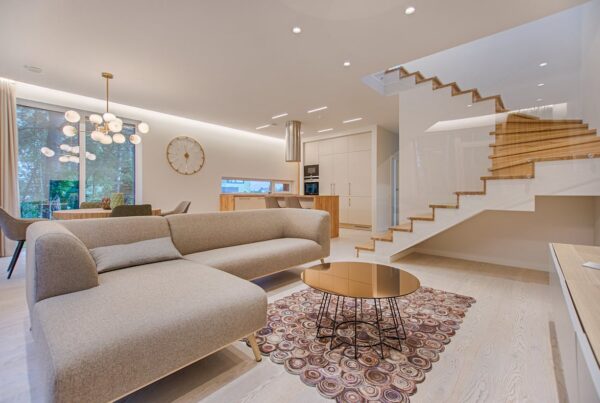
The same principle applies indoors. Small acts don’t just improve the look of a space—they help clear mental fog and foster a greater sense of ease, much like lawn care does in the open air. Straightening up or making your bed is often enough to shift the energy of a room. How we care for our surroundings usually echoes in how we feel—order in our environment can create space for ease and mental clarity.
Image by congerdesign from Pixabay