
Menopause and skin
Menopause can cause noticeable changes to your skin, causing it either to become dry and thinner, or oilier and blemish-prone.
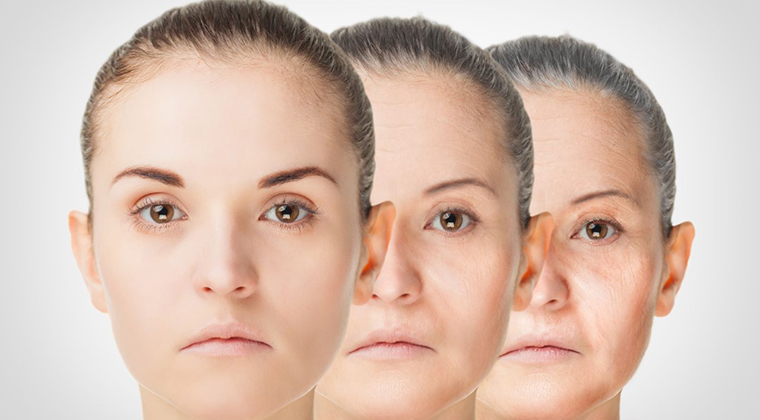
Menopause can cause noticeable changes to your skin, causing it either to become dry and thinner, or oilier and blemish-prone.
During menopause, oestrogen and progesterone levels decrease, resulting in lowered production of collagen. Falling oestrogen levels can cause the skin barrier to become dehydrated, therefore making skin dryer and more sensitive. In some women, the reduction of oestrogen leads to more noticeable effects of the male hormones, or androgens. This can result in the overproduction of oil, which mixes with bacteria and dead skin, clogging the pores and causing blemishes.
Menopause and skin treatments
There are several products and treatments that can help improve your skin during menopause. Here are my top recommendations:
If you are experiencing dry skin, start by cleansing the skin with a hydrating cleanser rather than one which contains harsh ingredients that can strip your natural moisture. My go-to hydrating cleanser is Medik8’s cream cleanse which contains soothing shea butter.
Keeping your skin hydrated is essential during menopause. You can do that by using a topical hyaluronic acid (HA) serum or an injectable skin booster. HA is a hydrating compound which naturally occurs in our body. It is a large molecule and sits on the surface of the skin to draw water and visibly plump fine lines – in fact, every molecule of HA attracts 1000 molecules of water. Using a serum which contains both big and small molecules of HA gives better results as the small HA molecules will penetrate into the deeper layers of the skin and help hydrate from within. My favourite HA serums are Medik8’s Hydra8 B5 intense and Skinceuticals’ Hydrating B5.
One of my top in-clinic treatments for dry, dehydrated skin is Profhilo, an injectable treatment which has one of the highest concentrations of HA on the market. Profhilo is injected in five bio-anatomical points to remodel and hydrate skin. Overall, patients experience increased firmness and elasticity to the skin as well as a reduction in lines and wrinkles.
If you are experiencing oilier, blemish-prone skin or adult acne, it is important to cleanse the skin with a cleanser that contains gentle exfoliating acids, such as Glycolic acid. Skinceuticals’ Glycolic cleanser does just that, without stripping the skin. This cleanser can also be used a once-weekly mask for deeper exfoliation.
After cleansing, you should apply a serum that is suitable for your skin type and concern. Blemish and Age Defense serum from Skinceuticals is designed to clear blemishes. The serum contains a mixture of acids such as salicylic, dioic and glycolic acids, to reduce excess oil by 28% within one week. It also helps even the skin tone and reduce post-blemish discoloration. Using a lightweight moisturiser over the serum will help prevent the clogging of pores and ensure that the serum is ‘locked in’. My in-clinic treatment for adult acne and blemishes is a combination of blue and infra-red LED light therapy. This treatment is clinically proven to help reduce acne-causing bacteria and inflammation.
And of course, for both dry and oilier skin types, sunscreen is essential to help minimise sun damage in menopausal skin.
Filed underMenopause, Skin conditions, Women's health & hormones, United States