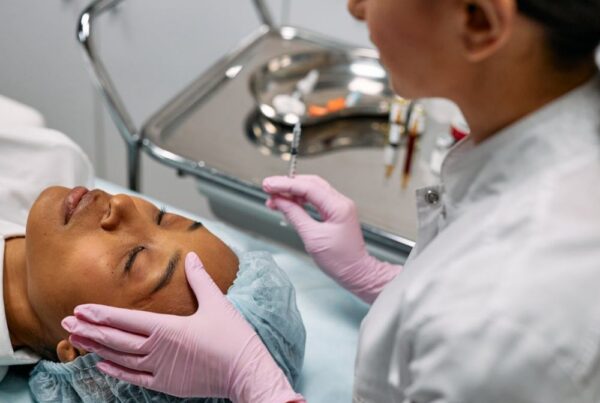
The pursuit of youthful, radiant skin has driven remarkable innovations in aesthetic medicine over recent years. Gone are the days when invasive surgical procedures were the only option for those seeking to turn back the clock on their appearance. Today’s modern skin clinics offer an impressive array of sophisticated, minimally invasive treatments that deliver remarkable results with little to no downtime. From laser technologies that seemed like science fiction a decade ago to revolutionary regenerative therapies, the landscape of skin rejuvenation has evolved dramatically. This comprehensive guide explores the most advanced treatments currently transforming complexions in cutting-edge aesthetic clinics across the globe such as Face Hub.
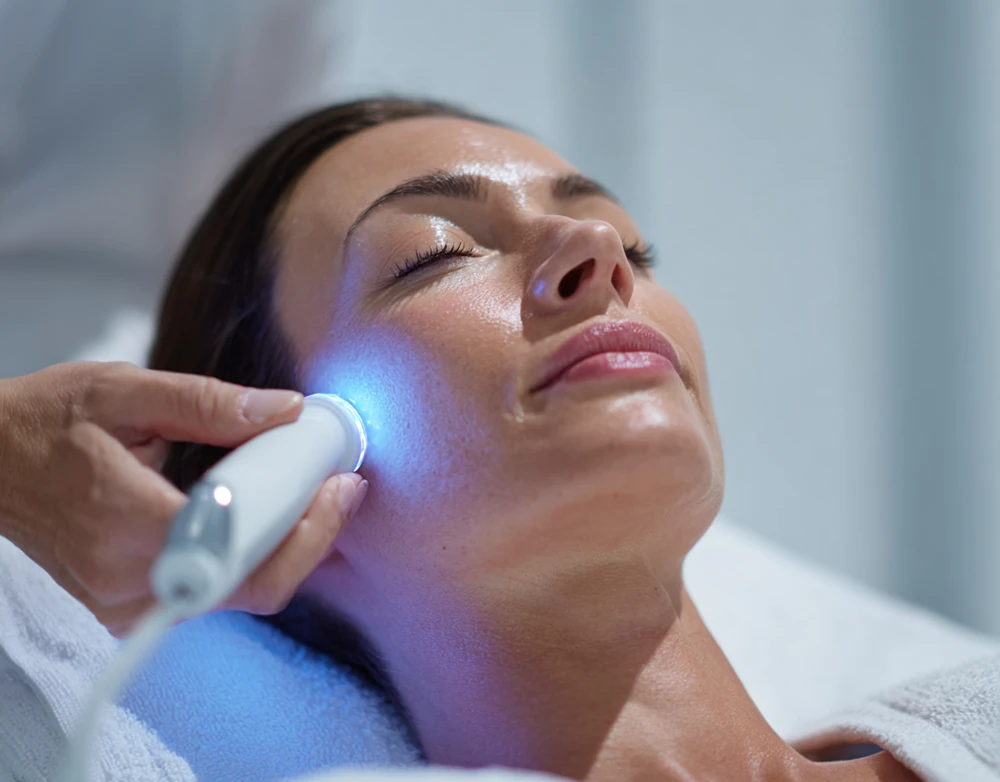
Fractional Laser Resurfacing: Precision at Its Finest
Fractional laser technology represents one of the most significant breakthroughs in dermatological treatment over the past two decades. Unlike traditional ablative lasers that remove the entire surface layer of skin, fractional lasers create thousands of microscopic treatment zones in the skin, leaving surrounding tissue intact. This approach stimulates the body’s natural healing process whilst dramatically reducing recovery time.
The two main categories—ablative fractional lasers (such as CO2 and Erbium) and non-ablative fractional lasers—each serve distinct purposes. Ablative fractional lasers excel at addressing severe sun damage, deep wrinkles, and significant scarring by vaporising columns of tissue. The surrounding untreated skin facilitates rapid healing, typically within five to seven days, though redness may persist for several weeks.
Non-ablative fractional lasers, conversely, work by heating the deeper layers of skin without damaging the surface. These treatments are ideal for those seeking improvement in skin texture, mild wrinkles, and pigmentation with virtually no downtime. Many patients resume normal activities immediately following treatment, experiencing only mild pinkness for a day or two.
Platelet-Rich Plasma (PRP) Therapy: Harnessing Your Body’s Healing Power
Platelet-rich plasma therapy, often dubbed the “vampire facial,” has gained tremendous popularity amongst those seeking natural rejuvenation solutions. This innovative treatment harnesses the regenerative properties of your own blood to stimulate collagen production and cellular renewal.
The process involves drawing a small amount of blood, processing it in a centrifuge to concentrate the platelets, and then reintroducing this platelet-rich plasma into the skin through micro-needling or injection. Platelets contain growth factors that trigger tissue repair and regeneration, promoting improved skin texture, tone, and elasticity.
What makes PRP particularly appealing is its natural approach—the treatment uses your body’s own biological materials, significantly reducing the risk of allergic reactions or adverse effects. Results develop gradually over several weeks as new collagen forms, with optimal outcomes typically visible after three to six months following a series of treatments.
Radiofrequency Microneedling: The Best of Both Worlds
Combining two powerful technologies, radiofrequency microneedling represents a quantum leap forward in non-surgical skin tightening and rejuvenation. This treatment merges traditional microneedling with radiofrequency energy delivery, creating controlled micro-injuries whilst simultaneously heating the deeper layers of skin.
The fine needles create channels in the skin, triggering the wound-healing cascade, whilst the radiofrequency energy heats tissue to precise temperatures. This dual action stimulates robust collagen and elastin production, addressing concerns ranging from acne scarring and enlarged pores to skin laxity and fine lines.
Advanced systems such as Morpheus8, Genius, and Secret RF allow practitioners to customise treatment depth and energy levels, tailoring protocols to individual skin concerns and types. The versatility of radiofrequency microneedling makes it suitable for treating delicate areas like the under-eye region and neck, areas traditionally difficult to address non-surgically.
High-Intensity Focused Ultrasound (HIFU): Non-Surgical Lifting
High-intensity focused ultrasound technology has revolutionised non-surgical facial lifting, offering patients a remarkable alternative to traditional facelifts. HIFU delivers precise ultrasound energy to the foundational layer of skin typically addressed during surgical procedures—the superficial muscular aponeurotic system (SMAS)—without cutting or disrupting the skin’s surface.
The focused ultrasound energy creates thermal coagulation points at specific depths, triggering a substantial collagen regeneration process. This results in gradual lifting and tightening over two to three months as new collagen forms and contracts. The treatment is particularly effective for addressing jowls, brow lifting, and neck laxity.
Whilst HIFU provides impressive results, it’s important to note that outcomes are more subtle than surgical intervention. The technology suits those with mild to moderate skin laxity seeking prevention or modest improvement rather than dramatic transformation. Results can last anywhere from one to two years, making HIFU a worthwhile investment for suitable candidates.
Picosecond Laser Technology: Speed Meets Precision
Picosecond lasers represent the latest evolution in laser technology, delivering pulses in trillionths of a second—a thousand times faster than traditional nanosecond lasers. This ultra-short pulse duration creates a photoacoustic effect rather than a photothermal one, shattering pigment particles and stimulating collagen without significant heat damage to surrounding tissue.
The advantages of picosecond technology are manifold. For pigmentation concerns such as melasma, sun spots, and post-inflammatory hyperpigmentation, picosecond lasers offer superior clearance with fewer treatments and reduced risk of post-inflammatory complications, particularly in darker skin types. The technology also excels at tattoo removal, breaking down ink particles more efficiently than previous generations of lasers.
Additionally, picosecond lasers with specialised focus lens arrays can create micro-injuries in the dermis without breaking the skin surface, stimulating collagen remodelling to improve skin texture, reduce pore size, and soften fine lines. This “focus” treatment has become increasingly popular for overall skin rejuvenation.
Exosome Therapy: The Future of Regenerative Aesthetics
Representing the cutting edge of regenerative medicine, exosome therapy is emerging as one of the most exciting developments in skin rejuvenation. Exosomes are tiny vesicles secreted by cells, particularly stem cells, that contain potent growth factors, messenger RNA, and proteins that facilitate cell-to-cell communication and promote tissue repair.
When applied topically following microneedling or injected into the skin, exosomes can dramatically enhance cellular regeneration, reduce inflammation, and promote healing. Early research and clinical observations suggest exceptional results in improving skin quality, reducing fine lines, and even potentially reversing certain aspects of skin ageing at the cellular level.
Whilst exosome therapy is still relatively new in the aesthetic field and research is ongoing, many forward-thinking clinics like Ora Skin Clinic now offer these treatments, often in combination with other modalities like PRP or microneedling to enhance results. As the science develops and protocols become standardised, exosome therapy may well become a cornerstone of advanced skin rejuvenation.
LED Light Therapy: Gentle Yet Effective
Though less dramatic than some of the treatments mentioned above, medical-grade LED light therapy has carved out an important niche in modern skin rejuvenation protocols. Different wavelengths of light penetrate varying depths of skin, triggering specific cellular responses without heat or damage.
Red light (typically 630-660nm) penetrates deeply to stimulate fibroblast activity, increasing collagen and elastin production whilst improving circulation. Blue light (415-445nm) targets acne-causing bacteria, making it invaluable for managing breakouts. Near-infrared light penetrates even deeper, promoting healing and reducing inflammation.
Advanced LED systems deliver precise wavelengths at therapeutic doses, offering a gentle yet effective treatment option suitable for all skin types, including sensitive and compromised skin. Many clinics incorporate LED therapy as a complementary treatment following more intensive procedures to accelerate healing and enhance results.
Conclusion
The landscape of aesthetic medicine continues to evolve at a remarkable pace, offering increasingly sophisticated solutions for those seeking skin rejuvenation. Today’s advanced treatments provide options across the spectrum—from aggressive resurfacing for dramatic results to gentle, progressive therapies for subtle enhancement. The key to successful outcomes lies in thorough consultation with qualified practitioners who can assess individual concerns, skin type, and lifestyle factors to recommend the most appropriate treatment or combination of therapies.
As technology advances and our understanding of skin biology deepens, we can expect even more innovative treatments to emerge. However, the current array of options available in modern skin clinics already offers unprecedented possibilities for achieving healthier, more youthful-looking skin without the need for surgery. Whether you’re addressing specific concerns like pigmentation and scarring or seeking overall rejuvenation, there has never been a better time to explore the transformative potential of advanced aesthetic treatments.