Ozempic transitioned from being prescribed for diabetes to being hailed as a celebrity weight losing product in such a short time and according to TikTok, it’s now possible to obtain the same effects via a gummy! Many supplements such as Berberine capsules and Hemp strips (in addition to many more) make these same claims. Ozempic: The TikTok diet miracle.
Needles/symptoms/price-highs/semaglutide shortages are pushing many individuals toward gentler, less costly methods to manage diabetes, as we all feel the need of the pull.
What actually is true? In this article, we will compare three very popular yet questionable health service options, based on peer reviewed studies, and look at the psychology of quick-fix hype and show you how to make a decision that truly supports your health.
Ready? Let’s cut through the noise.
Ozempic in a nutshell: power & pitfalls
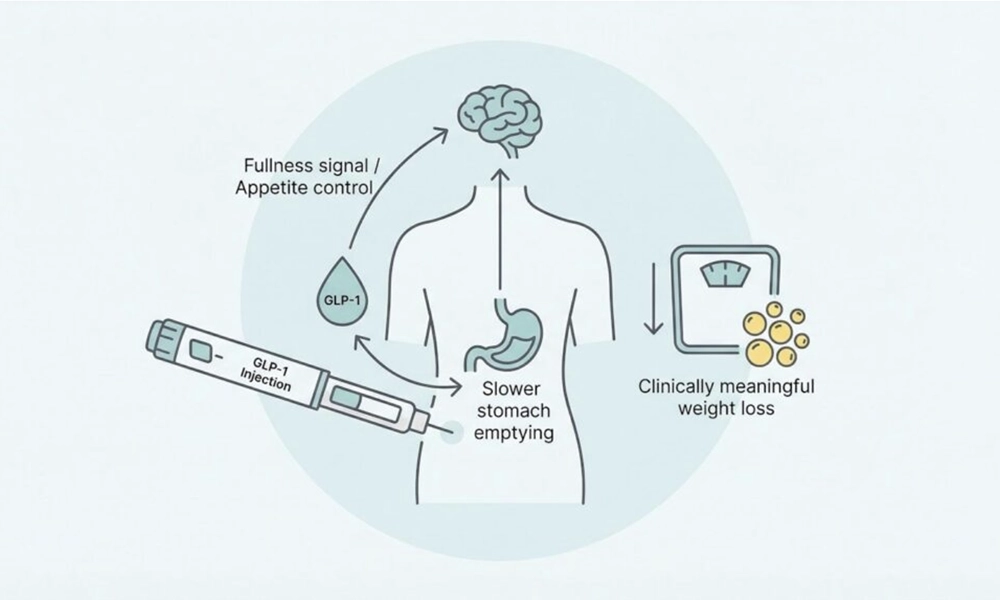
Semaglutide is an injectable medication that is marketed under the name Ozempic and can be administered as a single weekly injection. Once injected, semaglutide mimics the hormone GLP-1 found in the gastrointestinal tract and signals to the brain that it is satisfied, decreases the rate at which food passes from the stomach, and increases fat burning in the body. Average weight loss in participants of large clinical trials using semaglutide was approximately 15% of their initial weight; a level previously only observed with surgical weight loss procedures such as bariatric surgery.
Ozempic was originally designed as a medication to treat type 2 diabetes by controlling blood sugar levels; however, it quickly has become famous for its weight loss capabilities. As prescriptions have skyrocketed since then, so have the number of memes about Ozempic flooding social media — alongside videos featuring cats.
Yet the medication carries baggage:
Nausea, vomiting, and regrettable runs to the bathroom are all common side effects of medications.
Medicines are given to you using an injection, not a gummy bear.
Studies conducted on animals have shown that certain drugs are linked to an increased risk of thyroid tumours. Long-term follow-up for safety is continuing.
High costs are a problem. Without health insurance, out of pocket costs can exceed several hundred dollars/month. Global shortages of the product due to high demand means that some are only able to get half of their prescribed amount or have gone without altogether.
The downside of the drug will be more than just physical. Several people have told me they find it difficult to enjoy the taste of food; they feel uncomfortable when eating out with friends and family; and they fear they will always need medication to maintain their current weight. I have heard of others who feel they are judged by those around them for using “the easy way out.”
Combine all these fears together and the need for a more natural, less expensive and, above all, gentler way to approach weight loss makes sense. This very thought process has given rise to the “nature’s Ozempic” trend which is discussed in the next paragraph.
Berberine: TikTok’s “nature’s Ozempic”
When you search for the term “berberine” on social media, you will be overwhelmed with images of people’s transformations through before-and-after selfies, numerous testimonials, and tons of hashtags that describe it as “nature’s Ozempic.” There was a massive surge in sales of this yellow plant product once one social media influencer praised her results from using this product for weight loss; additionally, there are currently over 10 million views on that hashtag!
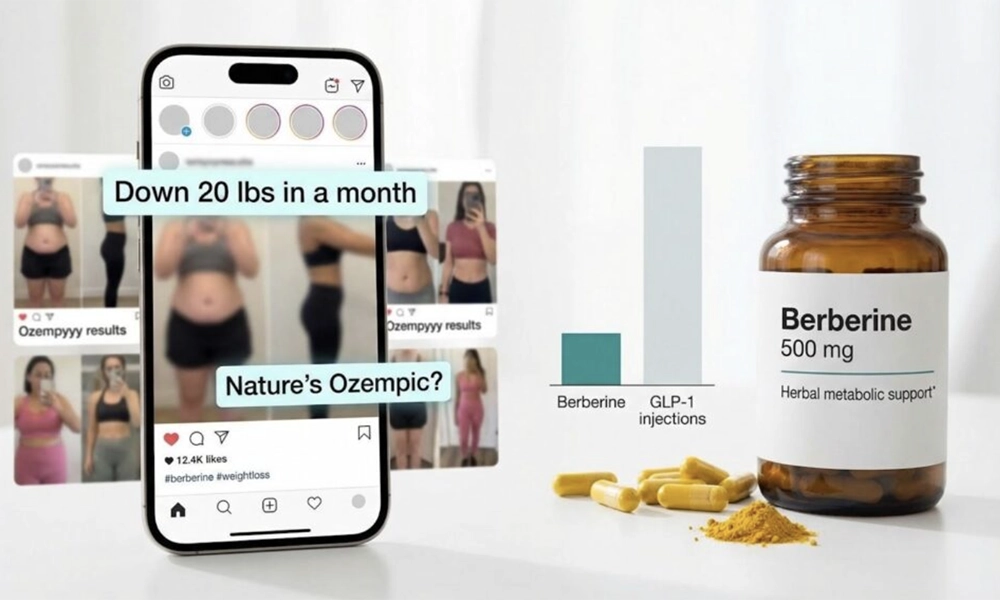
It is a simple narrative (i.e. berberine stimulates AMPK or an enzyme) that is the same metabolic process that occurs during exercise and partially when you take metformin. Supporters of this notion contend that turning on the metabolic switch (AMPK) will enhance fat breakdown (burn) and will reduce blood glucose levels – similar to using Ozempic but without the need for an injection.
Reality looks different once you check the data.
Clinical studies involving humans have been limited, quick in duration, and infrequently focused on weight-loss. In some cases pooled, small studies show that patients had a decrease in body weight of 2%-4%. This is much lower than the 15% weight loss that has been seen with semaglutide use. Of particular importance, berberine does not decrease hunger hormones much like GLP-1 medications do, therefore patients consuming berberine will continue to experience cravings (Poston, 2023). Dietitians quoted by The Guardian have stated that “the way it has been marketed is not the way it will be used as a medication” and added that the evidence appears to lag well behind the expectations of the users (Poston, 2023).
Balance is needed in order to determine if a product is safe or not. Although berberine is a natural substance, it is not an inert substance. Using berberine in high doses enough to create a shift in your blood-sugar levels can result in cramps and/or diarrhea. In addition to causing discomfort, berberine’s antibiotic-like properties may also lead to an imbalance of good gut bacteria, which play a critical role in supporting our immune system and controlling our moods. Some forms of phenomenally potent prescription medication, such as blood thinners and diabetes drugs, are also made more potent when combined with berberine; however, this significant detail is rarely mentioned in advertisements for berberine supplements.
There is very little regulation. In the U.S., the berberine products are classified as dietary supplements, which means the amount of active ingredient in each bottle varies by manufacturer and any contamination testing will be done by each company voluntarily. For example, a single capsule may have 500mg of berberine while another complete bottle may only contain 250mg of the same substance.
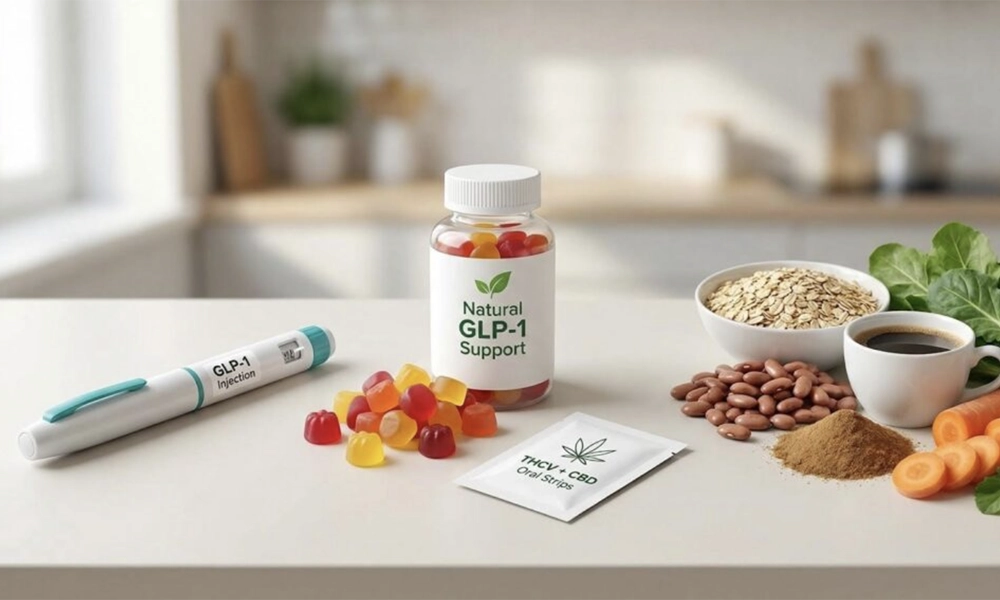
U.S. supplement company Asuno reports that every batch of its GLP-1 Support Gummies is lab-checked for heavy metals, microbes, and active-ingredient strength before shipping, and it publishes those assay summaries in its online FAQ—an easy model to look for when shopping any berberine label. The brand also says that two gummies a day are formulated to reinforce your body’s own GLP-1 response for steadier appetite control and weight management; learn more.

Asuno GLP-1 Support Gummies Lab Testing FAQ Screenshot
In simple terms, berberine is a rather small metabolic assistor; it is not a weight-reduction miracle. If you currently control the insulin resistance will generally allow your physician to consider this with other established therapies. However, expecting berberine to work like Ozempic can result in your not only being disappointed; but also may also cause an upset stomach.
The following section will focus on consuming hemp instead of consuming cannabis, and we will examine whether or not “hemp food” lives up to some of the growing hype.
THCV: “diet weed” with real data
While cannabis is well-known for triggering munchies through activation of brain’s CB1 receptors by THC, there is another cannabinoid (called tetrahydrocannabivarin or THCV) that does the opposite. THCV acts as a mild antagonist to CB1 receptors. In preliminary studies THCV has been shown to decrease appetite and increase energy expenditure, but at the time of writing this review, there has been little solid human evidence to support these effects.
But everything changed in 2024, when researchers published an influential peer-reviewed trial demonstrating THCV’s ability to aid in weight loss, lower waist circumference and improve cholesterol, blood pressure and fasting glucose levels in subjects with metabolic syndrome after three months of supplementation with orally administered strips of THCV and a very small amount of CBD. According to Forbes, those results indicate that ”what has been widely speculated about the efficacy of THCV, is now being confirmed”. (Forbes, May 15, 2024).
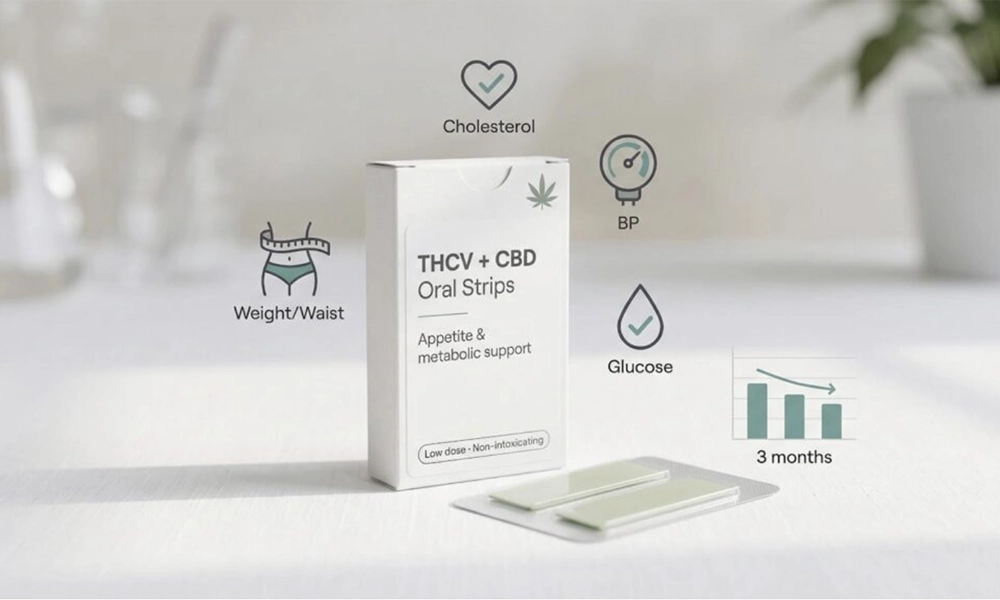
Does this have the same results as Ozempic? Not yet. In the current study, the participants experienced single digit weight loss, whereas semaglutide can cause an average of 15% weight loss. THCV functions via the endocannabinoid system and does not act on the same GLP-1 receptor as OZEMPIC, and therefore, would be expected to produce varying hunger control among individuals.
Adding wrinkles to access. The legality of THCV extracted from industrial hemp varies across states; some allow it while others prohibit it. Additionally, there is little regulation regarding quality control, resulting in varying levels of purity for products claiming 10 mg of THCV and containing no third-party testing. It is also difficult to find accurate dosing information for products containing THCV, which increases the possibility of a new consumer product being either an ineffective amount (e.g., too little THCV) or overpriced placebos (e.g. too much THCV).
The safety profile appears to have improved. No serious adverse events were identified in the 2024 exercise, nor was any psychoactive ‘high’ experienced from the very low doses (100mg/day) used for appetite control. However, a small number of participants did report experiencing mild dizziness and/or mood changes. If you have anxiety or any other type of mood disorder, please consult your physician before using.
In conclusion, THCV can be seen as a moderate to slight appetite suppressant and as a form of metabolic assistant. It will not be the magic fix to end all of your weight management problems. If you would like to experiment with it, do so as a pilot project. Make sure that it is legal where you live. Use a lab tested formulation. Monitor your appetite, mood, and weight over an 8 week period. It would not be reasonable to expect THCV to produce results similar to those produceds by Ozempic. Instead, it would be sensible to set reasonable expectations for gradual and modest results.
Prebiotic fiber: feeding your own GLP-1
At times, the strongest instrument is an unobtrusive item. Fermentable fibre sources (oats, beans’, chicory root and inulin) lose their digestibility as they travel through stomach digestion and are digested in the colon to provide nourishment for the beneficial gut microorganisms (microbiota). These creatures return the favour by creating short-chain fatty acids that cause GLP-1 and PYY to be released from the gastrointestinal tract, both of which are the same satiety hormones Ozempic injects into your circulation.
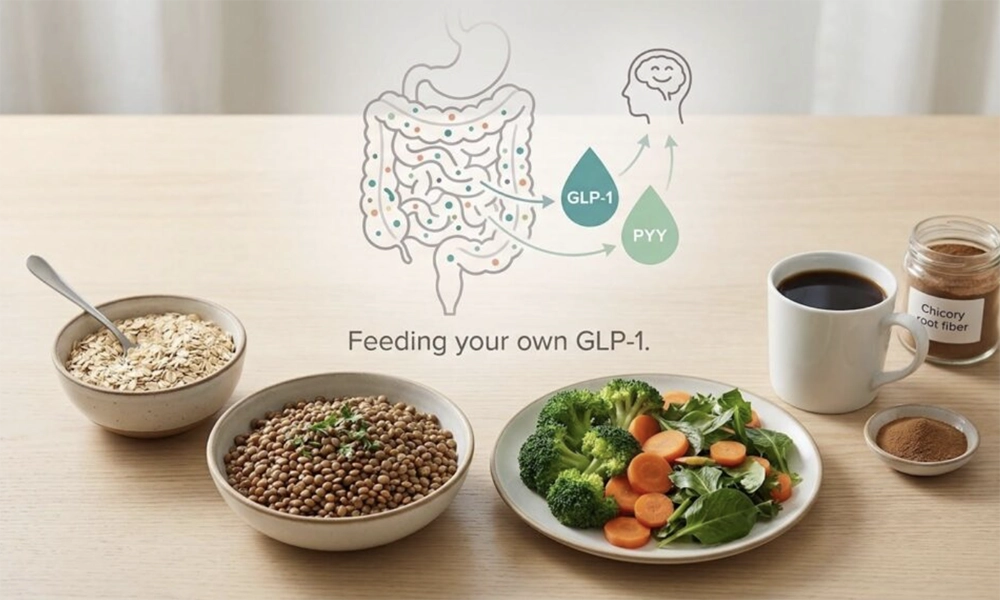
A study conducted in 2020 published in Diabetes, Obesity & Metabolism provided additional evidence supporting this. Adults who consumed prebiotic inulin-type fiber together with their food increased their secretions of post-meal GLP-1, experience feelings of satiety after eating, and decrease caloric intake. Although rates of weight loss may have been lower than expected, there were improvements in all metabolic parameters, which is what physicians generally prefer from a safety perspective.
For starters, you do not require a manufactured pill. You should be sure to put half of your plate as a vegetable and replace the white rice with lentils. Next, simply mix one teaspoon of chicory-root powder into your coffee. You should aim for each day at least twenty-five grams of fiber from food, and as most people are not even getting half that, it is likely that a ten-gram increase in your fiber intake will help reduce your appetite.
Manufacturers of supplements are aware of this now. Powders that say they have “GLP-1 boosting” ability on the label are now combining resistant starch with Inulin per their claims and allowing those to provide hunger relief in a scoop. If you are not experiencing variety with your diet these supplements can help but they are not a miracle, they are an added benefit. Start at 5 grams a day (low end) with enough water to keep yourself hydrated and never go directly from the lower end of dosing to the upper end without first gradually increasing your dosage (to avoid bloating and frequent trips to the bathroom).
The appeal of fiber comes from its ancillary benefits. In addition to controlling appetite, fiber stabilizes blood-sugar levels, provides nourishment to anti-inflammatory bacteria in the gut, and helps reduce cholesterol levels. No need for an injection, or to worry about whether it is in short supply, and it has no celebrity markups!
Will fiber ever match up with Ozempic’s 15% drop in a quicker fashion than a 15% drop (for example, with Ozempic) for 15 percent more? I think not…but when used consistently daily you are getting many small, fairly significant wins at the same time and increasing them over the long term (months/years). The cumulative nature of both movement and mindful eating will provide you with an endurance-based platform that no trendy candy (gummy) can provide.
Conclusion
Why quick-fix promises hook us
The process of losing weight involves both biological and psychological components. When you can’t lose weight, finding a shortcut can seem like a lifeline.
The first bait is hope. When you see someone who has lost 20 pounds in 30 days (because of TikTok) there is an internal dialogue that starts saying, “I can do that too!” As humans, we naturally will be drawn to anything that verifies our hopes and will dismiss everything else. This selective search for answers to our hope-based theories has been termed as ‘motivated reasoning’ by psychologists. By contrast, on TikTok, it actually looks like simply hitting the ‘Add to Cart’ button.
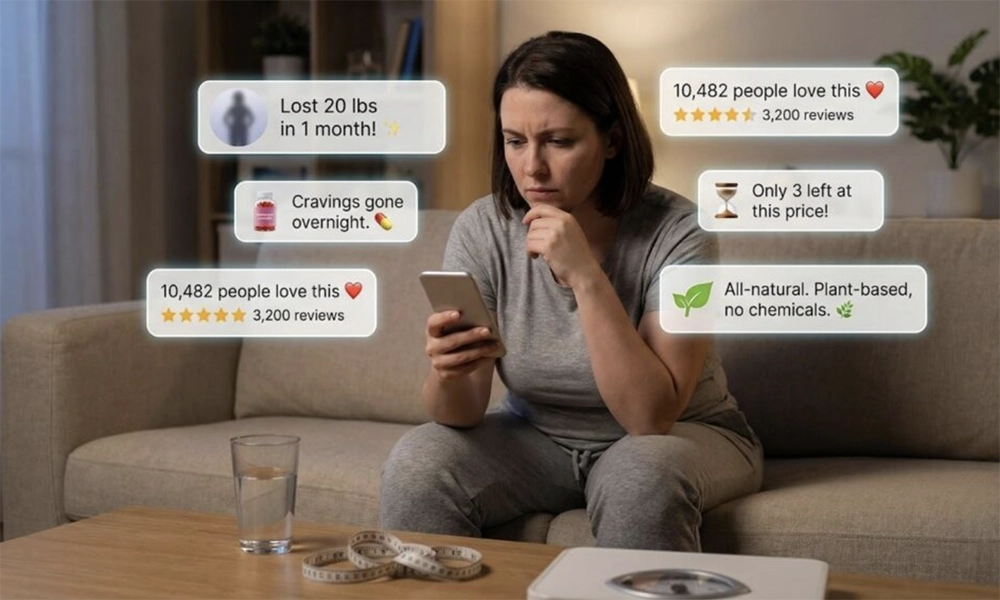
Next, we have the placebo effect. You take a pretty packaged gummy and believe it to be capable of lessening your craving for sugar, and for a period of time, your cravings do lessen. Your belief is strong enough to have an effect (to change the way that your hormones behave and how your body/brain interpret a real physiological change) but that effect does not tend to stick.
Social proof pours gasoline on the fire. Seeing thousands rave about berberine or THCV builds a sense of inevitability; if so many swear by it, who are we to doubt? The people who see no result stay silent, the feed skews positive, and the loop tightens.
Scarcity creates demand. Sales that have a limited time to buy, labelled as ‘out of stock’, and actual shortages of Ozempic can trigger the fear of missing out, causing us to buy sooner than we would otherwise have completed our research.
Natural has a positive connotation; however, taking a prescription drug can give us a sense of failing or cheating. The positive association makes us believe a pill derived from plants is safe; however, the actual level of safety is related to the dose, purity and other medications that you take together, rather than whether the chemical was derived from the earth or produced in a laboratory.
The names of these levers are important because when they are listed—hope, placebo, social proof, scarcity, and moral halo—enough pause is created to compare actual data with the Drama of Marketing. The result of that pause may be the avoidance of many months of disappointment and a drawer of half-empty bottles.
- About the Author
- Latest Posts

Our Editorial Team are writers and experts in their field. Their views and opinions may not always be the views of Wellbeing Magazine. If you are under the direction of medical supervision please speak to your doctor or therapist before following the advice and recommendations in these articles.