
New sleep index reveals Britain's worst sleepers
For World Sleep Day on 19th March 2021, Europe’s leader in innovative health, Lanserhof wanted to know: who in the UK is sleeping the best and who in the UK…
For World Sleep Day on 19th March 2021, Europe’s leader in innovative health, Lanserhof wanted to know: who in the UK is sleeping the best and who in the UK is sleeping the worst?
In order to find out, they have created the Lanserhof Sleep Index which offers a fresh perspective on YouGov sleep tracker data.
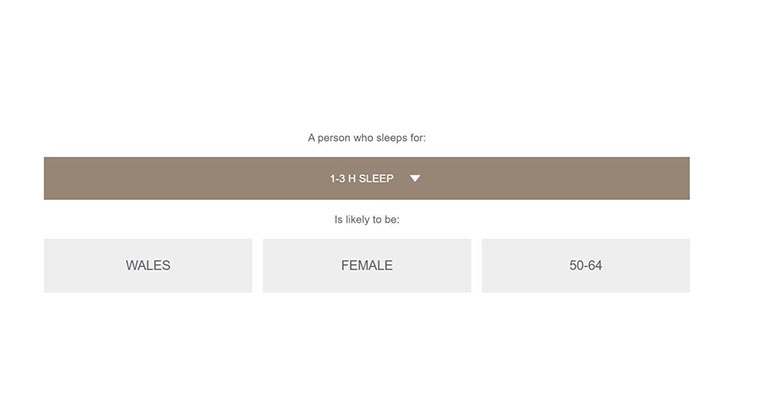
The Lanserhof Sleep Index looks at the number of hours of sleep, location and demographics since 2019. The study has revealed:
- Those who sleep the fewest hours per night (between 1 and 6 hours) are likely to be female, over 50 and live in Wales
- In contrast, a person who sleeps for the UK average of 7 hours per night is likely to be a male, aged between 25-49, and lives in the south of England
- People who sleep the recommended 8 hours are likely to be younger (aged between 18-24), living in London and female
- People in London and the south of England sleep the best
- People in Wales and Scotland sleep the worst
Major stressful life events, such as the pandemic are closely linked to weakening sleep and circadian rhythms, at a time when healthy sleep is particularly important to cope adaptively with this crisis and uncertainty about the future.
Sleep is at the heart of physical and mental health. It is essential for tissue repair, cell regeneration, immune functioning, memory functioning and consolation, and for the regulation of daytime emotion. When people are sleep deprived or develop a persistent sleep disorder, the consequences include loss of energy, drowsiness, impaired concentration and memory, and disturbed mood. Inadequate sleep has been associated with an increased risk of hypertension and type 2 diabetes, and the risk of developing anxiety or depression.
Experts from Lanserhof share their 7 top tips for improving sleep below. With over 30 years of experience in offering patients the very best in innovative and pioneering treatments, the internationally renowned, award-winning Lanserhof has made giant strides in educating the world in the benefits of combining holistic medicine with regeneration and prevention.

 7 TOP TIPS FOR IMPROVING SLEEP
1. Nutrition: Working hand in hand, a healthy diet can help you fall asleep fast, enhance sleep quality and duration, and getting consistent high-quality sleep can actually help you eat better. Research shows that when sleep-deprived, you’re more likely to consume foods high in calories, fat, and sugar. A sleep-promoting diet is varied and rich in fruits and vegetables and whole grains, lean proteins, and dairy. A supplement that includes melatonin like Lanserhof’s Beauty Sleep Supplement is also recommended. When it comes to drinks, avoid drinking caffeine, fizzy drinks or black and green teas as well as alcohol after 3 pm in the afternoon. Caffeine can stay in your system for over 6 hours and can suppress melatonin produced in the brain to aid sleep.
2. Exercise: Movement helps to reduce stress, which has a positive effect on the immune system and our quality of sleep. A good aim is 30 minutes of moderate exercise 3 times a week. Be careful not to overexert yourself, as this can cause stress to increase. Light exercise in the evening such as yoga and different stretches in combination with deep breaths is soothing and slows the heartbeat.
3. Fresh Air: We are all spending more time inside than usual so it is important where possible to get a sensible amount of time in natural sunlight. The skin can produce vitamin D3 from sunlight with the help of UV-B radiation. Vitamin D, in turn, plays an essential role in the immune system making it less likely to be susceptible to infection as it helps to regulate the amount of calcium and phosphate in the body. In addition, our body releases the happiness hormone serotonin in sunlight which helps to eliminate stress and improve mood. Several studies associate low levels of vitamin D in your blood to a higher risk of sleep disturbances, poorer sleep quality and reduced sleep duration.
4. Environment: Associate bed with sleep and use spray fragrances like jasmine, and lavender on sheets and pillows. Darken the room and keep the ambient temperature in the bedroom cool (ideally 18C). An air humidity of approximately 40% is ideal. At night-time keep a dark environment and be aware of noise distractions, although some noises such as rain can be calming. Alternating showers or foot baths with temperature difference can train the vessel walls in the body and stimulate the metabolism so that oxygen and nutrients reach the cells in greater quantities. The Lanserhof Sleep Set made of radiation protection fabric includes an ergonomic neck pillow and a matching sleep mask. The sleep set attenuates electromagnetic fields and at the same time has a heat and moisture regulating effect on the skin.
5. Digital Detox: Our screens emit a specific type of blue light. This light keeps us awake and improves reaction times by suppressing the release of the ‘sleepy’ hormone, melatonin. Natural blue light (from the sun) is used by your body to determine your sleep and wake cycles, or circadian rhythm. The artificial blue light emitted from our devices has the propensity to keep us awake even when natural blue light levels have dropped and our body would normally be preparing for sleep. Not using devices before bed will allow for the proper functioning of your body’s natural circadian rhythm, meaning you’re sleepy when you’re supposed to be. Remove TV, mobile phone and tablets from your bedroom and turn off all electronic devices at least 30 minutes before going to bed.
6. Evening Routine: Like any other routine, bedtime routines establish habits that help our brains recognise when it’s time to sleep. By performing the same activities in the same order every night, your brain comes to see those activities as a precursor to sleep. Bedtime routines also play an important role in reducing late-night stress and anxiety. Decide on a set bedtime and stick to it every day. As part of your sleep-wake cycle, our bodies experiences various hormonal changes throughout the day. One of these is melatonin production, which begins in the evening to prepare you for sleep. The Lanserhof Sleep Spa Footpads, which are applied overnight (for at least 8 hours) promote a relaxed sleep. A harmonious combination of lavender, tourmaline, peppermint and other natural substances provide a comforting feeling of well-being, which gently helps to support the personal sleep rhythm.
7. Morning Routine: Our brain and body work best with a set wake-up time to keep our biological rhythms synced. Don’t vary your wake-up time too much – it can throw off your system from its natural routine. Use natural sunlight to wake up where possible and try to include some light movement in your morning routine like a walk or yoga to start the day off right.
For further information and to see the full results and methodology, please visit www.lanserhof.com/en/blog/
7 TOP TIPS FOR IMPROVING SLEEP
1. Nutrition: Working hand in hand, a healthy diet can help you fall asleep fast, enhance sleep quality and duration, and getting consistent high-quality sleep can actually help you eat better. Research shows that when sleep-deprived, you’re more likely to consume foods high in calories, fat, and sugar. A sleep-promoting diet is varied and rich in fruits and vegetables and whole grains, lean proteins, and dairy. A supplement that includes melatonin like Lanserhof’s Beauty Sleep Supplement is also recommended. When it comes to drinks, avoid drinking caffeine, fizzy drinks or black and green teas as well as alcohol after 3 pm in the afternoon. Caffeine can stay in your system for over 6 hours and can suppress melatonin produced in the brain to aid sleep.
2. Exercise: Movement helps to reduce stress, which has a positive effect on the immune system and our quality of sleep. A good aim is 30 minutes of moderate exercise 3 times a week. Be careful not to overexert yourself, as this can cause stress to increase. Light exercise in the evening such as yoga and different stretches in combination with deep breaths is soothing and slows the heartbeat.
3. Fresh Air: We are all spending more time inside than usual so it is important where possible to get a sensible amount of time in natural sunlight. The skin can produce vitamin D3 from sunlight with the help of UV-B radiation. Vitamin D, in turn, plays an essential role in the immune system making it less likely to be susceptible to infection as it helps to regulate the amount of calcium and phosphate in the body. In addition, our body releases the happiness hormone serotonin in sunlight which helps to eliminate stress and improve mood. Several studies associate low levels of vitamin D in your blood to a higher risk of sleep disturbances, poorer sleep quality and reduced sleep duration.
4. Environment: Associate bed with sleep and use spray fragrances like jasmine, and lavender on sheets and pillows. Darken the room and keep the ambient temperature in the bedroom cool (ideally 18C). An air humidity of approximately 40% is ideal. At night-time keep a dark environment and be aware of noise distractions, although some noises such as rain can be calming. Alternating showers or foot baths with temperature difference can train the vessel walls in the body and stimulate the metabolism so that oxygen and nutrients reach the cells in greater quantities. The Lanserhof Sleep Set made of radiation protection fabric includes an ergonomic neck pillow and a matching sleep mask. The sleep set attenuates electromagnetic fields and at the same time has a heat and moisture regulating effect on the skin.
5. Digital Detox: Our screens emit a specific type of blue light. This light keeps us awake and improves reaction times by suppressing the release of the ‘sleepy’ hormone, melatonin. Natural blue light (from the sun) is used by your body to determine your sleep and wake cycles, or circadian rhythm. The artificial blue light emitted from our devices has the propensity to keep us awake even when natural blue light levels have dropped and our body would normally be preparing for sleep. Not using devices before bed will allow for the proper functioning of your body’s natural circadian rhythm, meaning you’re sleepy when you’re supposed to be. Remove TV, mobile phone and tablets from your bedroom and turn off all electronic devices at least 30 minutes before going to bed.
6. Evening Routine: Like any other routine, bedtime routines establish habits that help our brains recognise when it’s time to sleep. By performing the same activities in the same order every night, your brain comes to see those activities as a precursor to sleep. Bedtime routines also play an important role in reducing late-night stress and anxiety. Decide on a set bedtime and stick to it every day. As part of your sleep-wake cycle, our bodies experiences various hormonal changes throughout the day. One of these is melatonin production, which begins in the evening to prepare you for sleep. The Lanserhof Sleep Spa Footpads, which are applied overnight (for at least 8 hours) promote a relaxed sleep. A harmonious combination of lavender, tourmaline, peppermint and other natural substances provide a comforting feeling of well-being, which gently helps to support the personal sleep rhythm.
7. Morning Routine: Our brain and body work best with a set wake-up time to keep our biological rhythms synced. Don’t vary your wake-up time too much – it can throw off your system from its natural routine. Use natural sunlight to wake up where possible and try to include some light movement in your morning routine like a walk or yoga to start the day off right.
For further information and to see the full results and methodology, please visit www.lanserhof.com/en/blog/Filed underAnxiety, Depression, Stress & burnout, Diabetes, Addiction & alcohol, Women's health & hormones, Yoga & Pilates, United Kingdom, Sleep, Spa, Calm, Home & garden sanctuary