









Next Stop Gibraltar – Part Two
-
- October 8, 2025
I slowly, reluctantly peel myself away from the hedonistic, tribal madness that is Nazaré. I may not be a surfer, but I love the community it creates — no posturing, just camaraderie, wellness, and a shared spirit of adventure. My kind of people.
As I head southwest toward the very tip of Spain, I realise this is the moment I’ll leave the comforts and familiarity of Europe behind and journey further south toward North Africa. Navigating through a spaghetti maze of roads, I finally find my way into the port — hot, excited, and with a large slice of “Oh my God, this is actually happening.”
Solo travel carries an element of risk, but the joy and resilience born from heading into the unknown far outweigh it. As I roll onto the ferry, I park up and climb to the open-top deck. Gazing back across the sea, I say a wistful goodbye to Europe as the ship sways rhythmically toward Tangier.
The ferry itself feels like a relic from another era — rusty and dishevelled, yet full of character. I imagine the stories it could tell. I even wonder if Phileas Fogg, on his intrepid travels in Around the World in 80 Days, might have crossed these same waters in 1872 — and how much must have changed since then.
What fascinates me most are the faces around me — a myriad of cultures and expressions. Some joyful, some stern. I catch myself wondering: What’s their story? Are they escaping something? Searching for something? Or, like me, simply chasing discovery?
Tangier customs is a sight to behold. Cars, vans, and pickups crowd the lanes, belongings towering precariously high above roofs, tied down with rope and hope. Everyone seems to share the same silent wish: please, not me — as officers methodically inspect vehicles with forensic precision. The stars must have been shining for me that day; I clear customs in less than an hour.
Heading south along the Algerian border, I aim for my first overnight stop — the mystical Blue City of Chefchaouen. After a maze of impossibly tight, twisting roads, I arrive at the base of the village and am immediately mesmerised. The hills burst with colour — flora and fauna glowing against the mountainside. It feels like a scene straight out of Raiders of the Lost Ark.
I spend the next few days exploring Chefchaouen’s narrow alleys and tiny courtyards. I watch men weave rugs on medieval looms and sample dishes rich with exotic spices. The people, the food, and the culture enrich me in ways words can barely capture. When I ask why the city is blue, I hear many answers, but one stays with me:
“Our forefathers painted the city blue, like the sky — so we would feel closer to the gods.”
My stay is brief but unforgettable. With renewed spirit, I point my Defender south again, the wheels turning relentlessly. The old truck pops and squeaks — travelling in it feels like being inside a washing machine — but Old Faithful keeps going, mile after mile.
That night I stop in a remote hamlet of mud huts, nestled in the vast, empty landscape. A lone man wanders past, seemingly unaware of the stranger who’s just arrived. After a brief, language-free exchange, his son appears and offers me a hut for the night. His father, curious, asks, “Where is your wife?”
“I’m divorced,” I tell him. “I’m travelling alone.”
He looks momentarily saddened, then disappears. Moments later, there’s a soft knock at the door. The old man stands there, arms open, and says:
“You eat with my family tonight. Not alone.”
It’s such a simple act of kindness, yet it moves me deeply. In that moment, I feel not just welcomed, but loved by people I’ve only just met. It reaffirms my belief in the goodness of humanity — and why I travel this way.
That night, I watched the sunset and sunrise in quiet awe, coffee in hand, surrounded by nothing but silence and stars.
The next morning, weary but grateful, I climb back into the Defender and continue south. My next destination: the small desert town of Merzouga — gateway to the mighty Sahara.
The journey is long and surreal, the landscape shifting from rocky, Martian emptiness to soft, hypnotic sand. Occasionally, a Bedouin figure appears from nowhere, crossing the endless horizon — and just as suddenly vanishes again.
At last, the Sahara reveals herself — vast, golden, and magnificent. Dunes rise and fall like waves frozen in time. I pull over, overwhelmed. After a long, tough drive, there it is: my dream.
A Bedouin guide agrees to take me deeper into the dunes, to a remote spot for the night. As we drive into the orange abyss, I marvel at how effortlessly he navigates this ever-changing sea of sand. Everything looks the same — and yet he knows every curve, every shadow.
We find the perfect place: a 360° panorama of dunes. The silence is unlike anything I’ve ever known — no people, no wind, no wildlife. Just stillness. Disconcerting, yet utterly magical.
As I set up my roof tent, I notice my guide laying out a rug to sleep nearby. Grateful but seeking solitude, I assure him I’ll be fine. He nods reluctantly, then disappears over the dunes.
Now, I am truly alone. Completely alone. The vastness of the Sahara stretches around me — daunting, beautiful, intoxicating. I sit beneath a sky ablaze with stars, and it hits me: I’ve made it.
The wild night ahead would become one of the most profound experiences of my life — and the beginning of an ending I never saw coming.
- About the Author
- Latest Posts
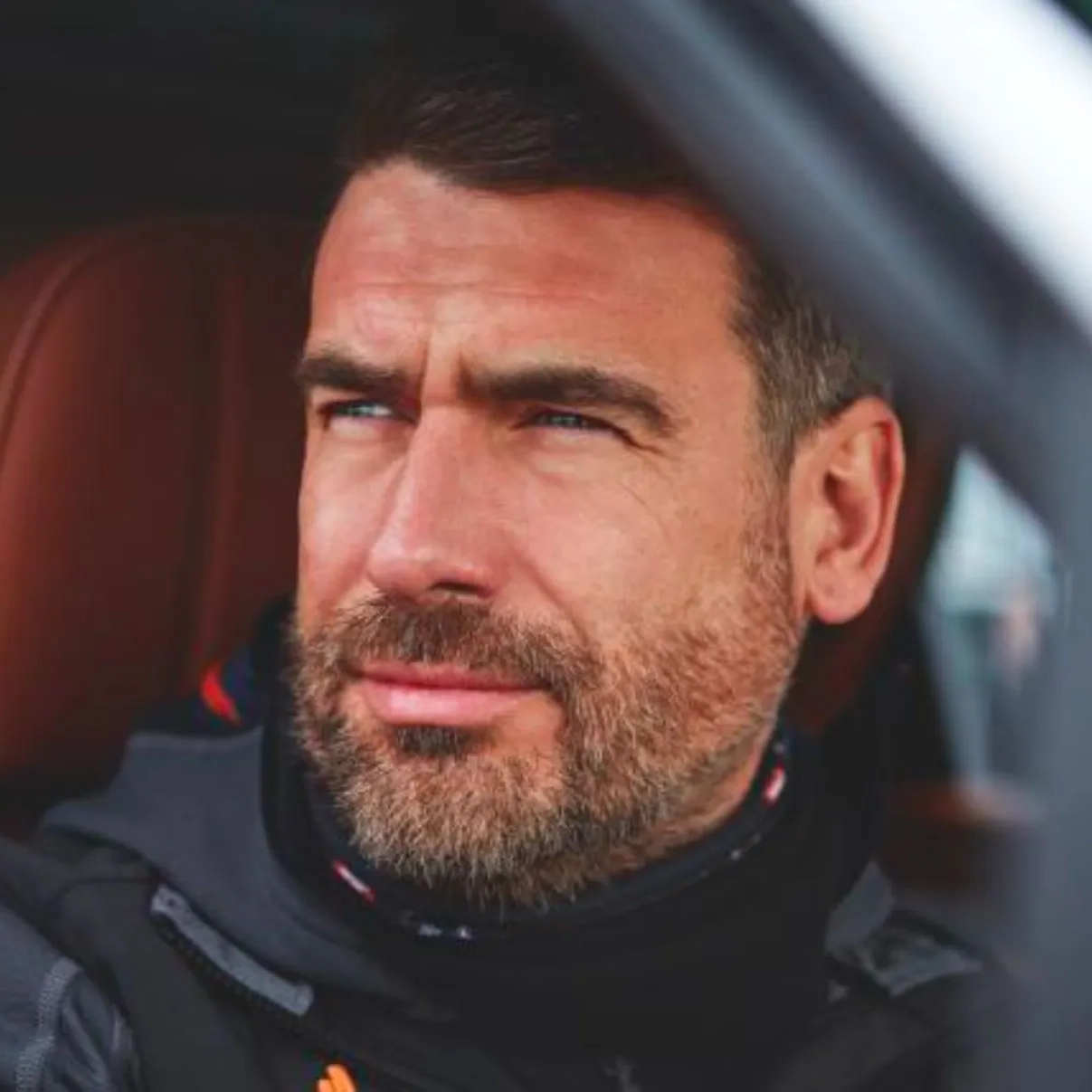
Matthew Robertson is an adventurer, speaker, podcaster, and founder of Momentum Media. With over 30 years of experience in adventure travel, he has curated bespoke expeditions to some of the world’s most remote and breathtaking locations, from the summits of South America to the deserts of Jordan. Matthew is deeply passionate about the transformative power of nature and its ability to promote mental wellness. His work now focuses on creating wellbeing-focused adventure experiences, particularly for men seeking personal growth and connection. Through his platform Momentum Men, he offers resources, retreats, and a podcast to help men rediscover their strength and navigate life’s challenges. Matthew believes that nature holds the key to healing and reconnection, and his mission is to inspire others to step outside their comfort zones, embrace adventure, and find peace through outdoor experiences. His personal journey of growth continues to shape the adventures he offers today.


