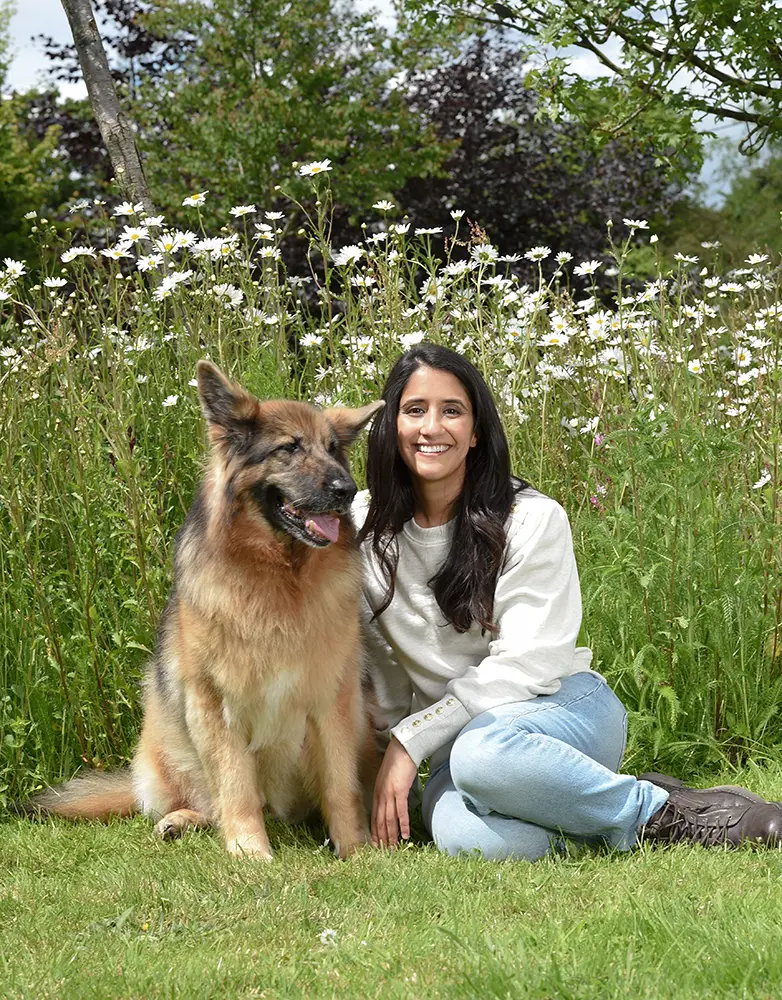
In warmer weather, many owners notice their dogs becoming fussier at mealtimes. Skipped bowls, slower eating, and even tummy troubles can appear during warm spells — but Oxford-trained food scientist and pet nutrition expert Fatima Maktari, founder of Tribal Pet Foods, says the causes are often more complex than just the heat.
Fatima Maktari turned her food science background into a career in pet nutrition after questioning the long lists of unrecognisable ingredients in standard dog food. What began with cooking meals for her own Labrador, Alpha, grew into Tribal Pet Foods — now sold in more than 20 countries.

“When the temperature rises, your dog’s whole routine changes,” she explains. “They may be less active, drink less water, and spend more time resting. All of this can make their stomach work a little slower. That hearty dry kibble they usually wolf down in winter? It can be confusing, especially if they are used to a certain food but in hot weather it can feel heavy and uncomfortable, leaving them reluctant to eat.”
Dogs’ sensitive noses can also make them wary when food changes slightly in warm conditions. “Traditional kibble can be high in fat and if not stored correctly, warm conditions can affect its freshness. Dogs have incredibly sensitive noses and can pick up on the slightest change in freshness – which may put them off eating.”
But it isn’t always about the weather. Emotional shifts play a major role, too. “Dogs can get lovesick,” Maktari says. “If you ever go away on holiday and the pet sitter says they were constantly pining for you or they had a touch of diarrhoea, it is not a coincidence – and you are not imagining it. Dogs form deep emotional bonds with their family, so when there is sudden change, like the family going away on holiday for a week or one of the children goes to summer camp, this can cause them real emotional stress. Because their feelings and digestions are closely linked, emotions can show up in their stomach; fussiness, slower eating, skipping meals or even pooping in the house.”
Warmer days also make heavier meals harder to handle. “In the warmer weather, high-fat, greasy or overly processed foods are harder to digest and can leave your dog feeling uncomfortable,” she warns. “The gut will work overtime to try and break it down and cause a sluggish system, which can lead to them potentially rejecting their next meal. I advise foods made with fresh meat rather than heavily processed meat meals, and those that are gently cooked at lower temperatures — such as cold-pressed diets. These are easier to digest so softer on the stomach and keep more of the nutrients. I also favour ingredients like sweet potato, inulin which acts as a prebiotic, and carminative herbs (such as chamomile, coriander and thyme) which can relax the gut muscles and promote smoother digestion.”
Changes to family routines during sunny spells also play their part. “Dogs are creatures of habit, but warm weather often throws their sacred routine out the window. New environments, noisy car journeys, trips to the local pub, longer walks, new walks, a different feeding schedule (if someone else is feeding them as you may be away) can all lead to gut disruption. It is very common for dogs to refuse their food after they travel. Even if they seem ok on the outside, the slight change to routine can trigger internal stress responses — especially in the gut, which is where many dogs show emotional or physical discomfort first.”
She also warns owners to be cautious about handing over scraps or the occasional tiny treat, as even small amounts can upset a dog’s stomach. Even in tiny amounts, fatty, salty or unfamiliar foods can irritate the gut and, if layered on top of a rich diet, may cause bloating, diarrhoea and leave dogs off their meals.
Maktari swears by four golden rules for feeding your dog in warm weather.
She recommends offering food in the cooler hours of the morning or evening, serving it at room temperature rather than fridge-cold, and sticking to the same routine even while travelling. Hydration, she adds, is vital — ideally with your own fresh water on walks, since communal bowls can sometimes be contaminated. These simple shifts, she says, can prevent fussiness and keep dogs comfortable when the sun is out.
- About the Author
- Latest Posts

Our Editorial Team are writers and experts in their field. Their views and opinions may not always be the views of Wellbeing Magazine. If you are under the direction of medical supervision please speak to your doctor or therapist before following the advice and recommendations in these articles.