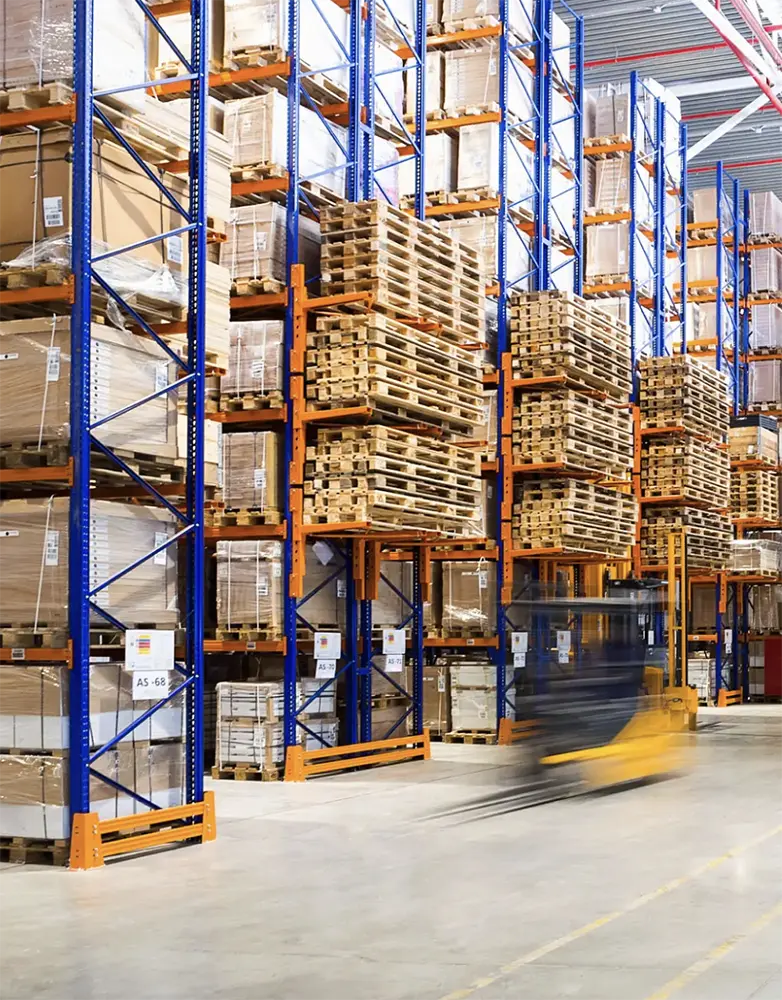
Apart from wasting stock, load damage also slows operations. Moreover, it eats into margins and frustrates customers.
The way goods are stored plays a big role in client satisfaction. If you keep them in good condition with the right setup, they’ll survive handling and transport. When they do, there’s a good chance they arrive in your customer’s homes in immaculate condition.
Smarter storage design reduces these risks and keeps products moving in good condition.
Start with the Right Rack Setup
A well-planned rack layout sets the tone for how stock is handled. Poor spacing, uneven shelving, or mismatched components can put pressure on goods in ways that cause damage over time.
A Pallet Racking Specialist Melbourne operators trust will design systems that support weight evenly and suit the dimensions of your loads. This prevents stress points that can crush packaging or deform products.
Match Storage to Product Type
Different products require different environments. Heavy items need racks with high load ratings. Meanwhile, fragile stock would be safer with extra protection and stable positioning. Using one system for all goods leads to avoidable damage.
Temperature and airflow must also be considered. If stored in the wrong conditions, even well-packaged items are susceptible to molding and degradation.
Protect High-Turnover Areas
Zones with high picking frequency are more prone to bumps and accidental drops. Strategic placement of these areas reduces travel distance for bigger warehouse machines. This cuts the risk of collisions.
Extra barriers or protective frames can also keep racks and goods safe when traffic is heavy.
Practical Steps to Reduce Damage
The best storage systems are built with prevention in mind. Small design changes have a massive impact on how well products hold up in the warehouse.
- Adjustable beam heights
- Rack protectors
- Mesh decking or solid shelving
- Load stops
- Clear labelling
Each of these changes helps stop problems before they start, keeping loads secure without slowing down operations.
Maintain Access Without Overstretching
Overreaching to retrieve goods can knock items out of place or put uneven pressure on racks. Designing aisles wide enough for equipment to move freely reduces these risks.
Having good access also means less chance of damage in many instances. With clear paths and designated areas for different points, operators don’t need to compete for space, which sometimes compromises the safety of the parcels.
Keep Heavy Loads Low
Storing heavy pallets too high on high shelves puts stress on racks. There’s a huge risk of damage if something shifts. It also puts your operators in danger.
Keeping the weight lower in the system improves stability and reduces the strain on the equipment lifting the load.
Schedule Regular Rack Inspections
All storage systems develop weak spots over time. Even the best-designed ones aren’t completely safe. Running regular inspections should catch ticking hazards before they happen.
Include the inspection schedule in daily operations. This ensures it won’t be missed during consecutive busy periods.
Train Staff in Proper Handling
Storage design works best when paired with good handling practices. Staff who understand how racks are set up and why certain loads go in certain spots are less likely to cause damage.
Training also reinforces the importance of load limits and correct equipment use.
Plan for Growth Without Sacrificing Safety
Warehouses that expand or stock too quickly cram too much into limited space. As a result, products get damaged upon arrival. Planning extra capacity into the design helps avoid risky storage practices.
A flexible system can adapt to new product lines and layout changes. Companies should enhance this method without compromising product safety.
By combining the right design with consistent maintenance and training, warehouses can store more while protecting every load that comes through the door.