Mental health plays an important role in our well-being, influencing how we think, feel, and act daily. Awareness of the signs and symptoms of mental health challenges can be a crucial step toward receiving timely support and treatment. Given that mental health issues affect millions worldwide, understanding these signs allows friends and family to assist loved ones in seeking help. Mental health problems can manifest in various ways, ranging from emotional disturbances to physical symptoms.
Emotional Signs of Distress
One of the most notable indicators of mental health challenges lies in emotional changes. Anxiety, sadness, and irritability are just a few examples that can signal underlying issues. Individuals may experience intense feelings of hopelessness or confusion, which can disrupt their everyday routines.
Withdrawal from social interactions can be a significant red flag, as those struggling with mental health may distance themselves from family and friends. A professional institution, such as a psychiatrist hospital, can provide tailored support and intervention for those in need of help. Physical symptoms should be taken seriously. Those dealing with mental health challenges may exhibit changes in appetite or sleep patterns, evolving into extreme weight loss or gain.
Cognitive and Behavioral Changes
Cognitive symptoms represent a considerable aspect of mental health challenges. People might struggle with memory, decision-making, or focusing on tasks. Their thought processes may become clouded, leading to faulty reasoning and judgment. This can manifest as difficulty performing tasks, responsibilities, or problems related to time management. Recognizing such shifts can be difficult, but paying attention to these behaviors can prompt supportive actions.
Significant behavioral changes accompany emotional and cognitive shifts. A person may engage in risky activities or develop increased aggression, leading to conflicts within personal and professional relationships. If friends and family notice these patterns, it is crucial to approach conversations with empathy and a willingness to listen. Making someone aware that their behavior has shifted may provide the impetus needed to seek help.
Social Withdrawal and Isolation
Though social withdrawal can be an emotional sign, it deserves a thorough discussion as a separate factor. People grappling with mental health issues often isolate themselves, leading to increased feelings of loneliness. They may decline invitations to gatherings or avoid interactions altogether. Their social circles may shrink, causing them to miss out on valuable support networks. This isolation can exacerbate existing mental health issues, creating a self-perpetuating cycle of distress.
As their world begins to shrink, vital aspects like hobbies, interests, or activities once enjoyed may fall to the wayside. Understanding the importance of social connections can encourage both individuals facing these challenges and their loved ones to reach out for help. By recognizing the significance of social interaction and support, positive steps can be taken toward recovery and personal development.
Seeking Help and Finding Support
Recognizing the signs of mental health challenges is an important first step toward seeking help. Knowing where to turn for support can be equally crucial. Fortunately, resources are available, including counseling services, support groups, and medical professionals specializing in mental health. Connecting with others who share similar experiences can foster a sense of community, reminding individuals that they are not alone. Whether through friends, family, or professional help, support is available.
Cultivating a dialogue around mental health can help reduce stigma, making others feel more comfortable discussing their struggles. Open conversations promote understanding and empathy, allowing individuals to feel safe in sharing their feelings and experiences. In asking for help, individuals make a significant step towards improving their mental well-being and fostering resilience to face future challenges.
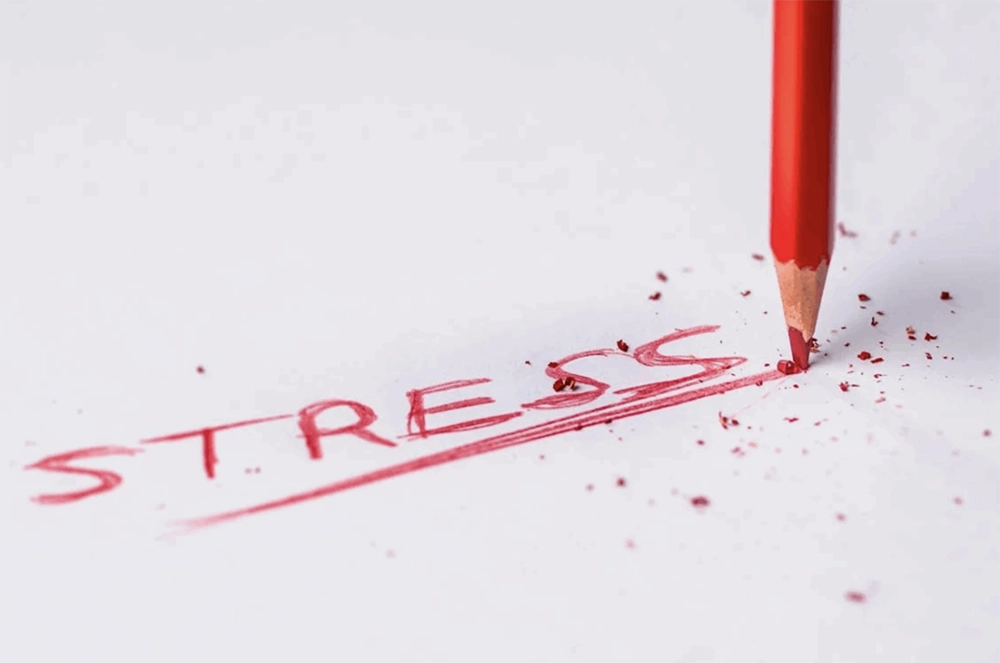
By fostering open discussions and reducing stigma, individuals can create supportive environments that encourage others to seek assistance. Embracing mental health awareness can empower us to confront challenges, promoting both personal growth and community support.
- About the Author
- Latest Posts

Our Editorial Team are writers and experts in their field. Their views and opinions may not always be the views of Wellbeing Magazine. If you are under the direction of medical supervision please speak to your doctor or therapist before following the advice and recommendations in these articles.