Screens can seem like the easiest way to keep a children’s party on track, especially when you’re trying to plan around different sensory needs. But for many families, a calmer and more thoughtful setup works better. If the goal is an autism-friendly celebration, the most memorable parties often aren’t the loudest ones. They’re the ones where kids know what to expect, have room to move, and never feel pushed to join every activity.
Choose Movement That Feels Inviting, Not Intense
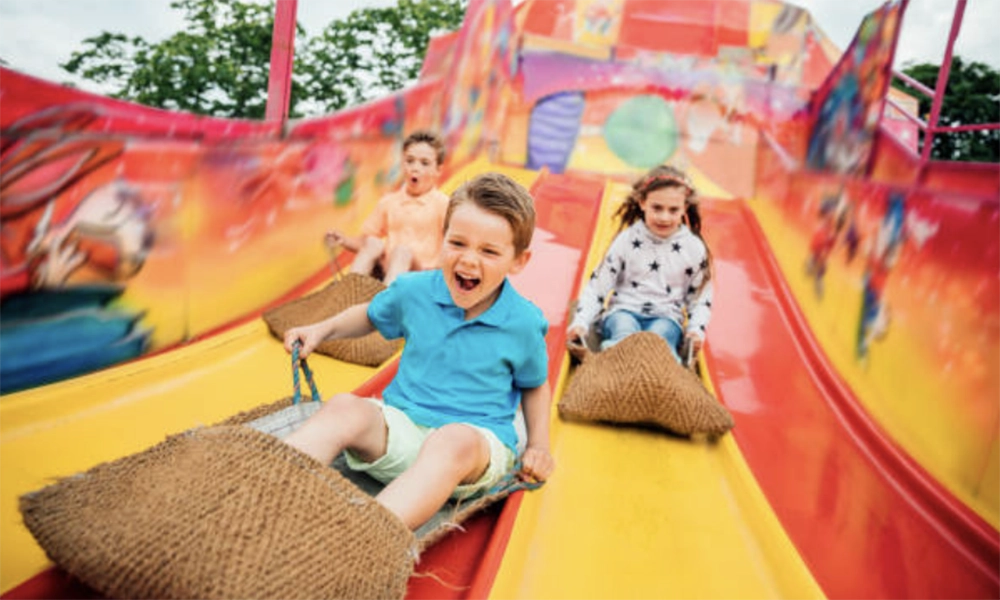
A screen-free party doesn’t need nonstop action to keep kids interested. In fact, many children do better when movement is built into the space in a gentle, predictable way. Inflatable play zones, simple obstacle paths, and beanbag toss games can all work well because they offer a clear beginning and end.
Something like Rapid City Inflatable Rentals can fit really well into this plan. An inflatable setup gives kids a familiar way to bounce, climb, and burn off energy, but it can still be part of a low-pressure party when you limit crowding, keep music low, and let children come and go instead of treating it like one big group event.
Set Up the Party So Kids Can Pace Themselves
One of the easiest ways to make a party feel more comfortable is to stop thinking of it as a performance. Kids don’t need to move through every activity together. They just need a few appealing choices.
A bubble station works well because it invites movement without demanding conversation. Sidewalk chalk gives kids something visual and hands-on to focus on. A scavenger hunt with picture clues can add structure without turning the afternoon into a competition. Even a short relay can be adapted so kids participate in pairs, skip a turn, or simply watch first.
Families often find that sensory overload has less chance to build when the environment stays flexible and the pace stays steady. That can mean fewer decorations flapping in the wind, fewer surprise noises, and more room for a child to step away and reset.
Don’t Skip the Quiet Space
A good party plan includes somewhere to relax.
This doesn’t have to be elaborate. A shaded corner with a blanket, a few familiar toys, noise-reducing headphones, or easy snacks can make a huge difference. Some children may spend only a minute there. Others may need several breaks throughout the celebration. Either way, having that option in place helps the whole event feel more manageable.
It also helps to prepare for transitions before they happen. A visual schedule near the food table, a countdown before cake, or a simple “two more turns, then snack time” reminder can smooth out the parts of the party that tend to feel rushed. Many parents already use predictable routines and smoother transitions at home, and the same approach can make social events feel much more comfortable.
Let Fun Look Different for Every Child
Some kids will head straight for the obstacle course. Others will stay by the bubbles, revisit the snack table, or spend most of the party drawing with chalk. That doesn’t mean the activity mix isn’t working. It means the party is giving children choices that match how they play.
When you build the day around movement, sensory comfort, and flexible participation, screen-free entertainment stops feeling like a compromise. It becomes a party that leaves more room for kids to feel happy, regulated, and included.
- About the Author
- Latest Posts

Our Editorial Team are writers and experts in their field. Their views and opinions may not always be the views of Wellbeing Magazine. If you are under the direction of medical supervision please speak to your doctor or therapist before following the advice and recommendations in these articles.