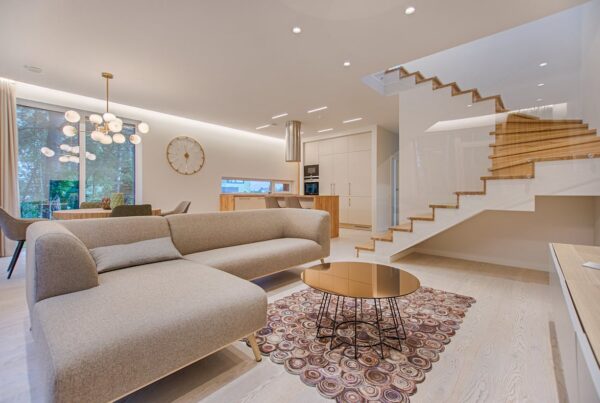
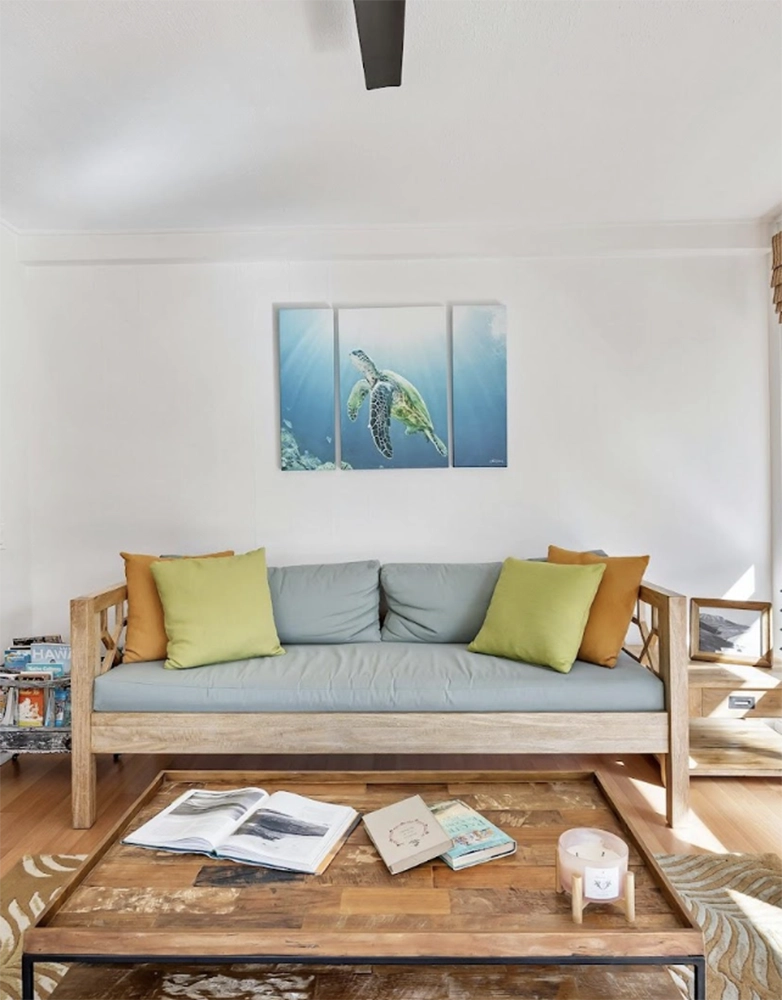
A healthy home is more than just a clean, organized space, it’s an environment that nurtures physical comfort, emotional balance, and peace of mind. As more people prioritize well-being in their daily lives, creating a home that supports relaxation and health has become a central focus. The concept of wellness design isn’t about luxury; it’s about intention. Every feature, from lighting to airflow, contributes to how residents feel and function.
By making thoughtful adjustments, homeowners can transform ordinary rooms into spaces that promote calm, focus, and vitality. These changes don’t require massive renovations or high costs. Instead, they rely on practical updates and mindful habits that align with the rhythms of daily life.
Optimizing Indoor Air and Water Quality
The quality of the air and water circulating through a home plays a vital role in well-being. Clean air reduces fatigue, allergies, and respiratory strain, while fresh, filtered water supports hydration and healthy living. Hidden pollutants, like dust, mold, or volatile organic compounds, can accumulate indoors without notice, particularly in sealed, energy-efficient homes.
Improving air quality starts with regular maintenance of ventilation systems. Cleaning HVAC filters, sealing duct leaks, and allowing natural airflow by opening windows on mild days all help refresh indoor spaces. Air purifiers equipped with HEPA filters are valuable for homes in urban or high-traffic areas.
Water quality deserves equal attention. Sediment, chlorine, or mineral buildup can affect both taste and long-term plumbing performance. In many Philadelphia homes, older plumbing systems can make these issues more noticeable, so working with a local Philadelphia plumber can help ensure that filtration systems and pipes remain in good condition, providing clean, reliable water throughout the year. Many homeowners install point-of-use filters at kitchen sinks or showerheads to enhance purity and improve the sensory experience of daily routines.
Maximizing Natural Light and Smart Lighting Design
Light has a profound influence on mood, energy, and circadian rhythm. Natural light exposure encourages the production of serotonin during the day and supports restful sleep at night. Homes that integrate natural illumination into their design often feel larger, brighter, and more welcoming.
Simple steps can help maximize sunlight. Removing heavy curtains, rearranging furniture to open sightlines, and choosing reflective paint colors can brighten living areas. Mirrors strategically placed opposite windows amplify daylight and reduce the need for artificial lighting.
During darker months, adjustable LED fixtures provide flexibility. Warm tones in the evening create a soothing environment, while cooler hues during the day mimic natural daylight for improved focus. Dimmable lighting options allow homeowners to tailor brightness levels to their mood and activities.
Smart lighting systems take wellness design a step further by syncing indoor light levels with the natural rhythms of sunrise and sunset. These systems improve sleep quality and reduce eyestrain, particularly in homes where residents work remotely or spend extended time indoors.
Designing for Emotional Comfort and Flow
A home that promotes wellness supports emotional harmony. Cluttered or poorly arranged rooms can lead to stress and distraction. Minimalism, when applied thoughtfully, enhances both calm and clarity without sacrificing personality.
Creating flow between spaces is crucial. Open layouts, or even visual continuity between rooms, promote movement and connection. Rugs, lighting transitions, and consistent color palettes help unify different zones. In smaller homes, multifunctional furniture can maintain order while maximizing usable space.
Incorporating elements of biophilic design, such as plants, natural textures, and organic shapes, further enhances emotional comfort. Studies have shown that proximity to nature reduces stress hormones and improves focus. Indoor greenery purifies air and adds vitality, while wooden surfaces and soft textiles evoke warmth.
Designing for comfort means considering how rooms are used. Reading corners, meditation nooks, or cozy family areas encourage relaxation and connection. Personal touches like artwork, photographs, or meaningful keepsakes remind residents of their values and achievements, fostering gratitude and stability.
Reducing Noise and Creating Restful Spaces
Noise pollution is one of the most overlooked wellness disruptors in modern homes. Constant exposure to background noise, from traffic, electronics, or appliances, can increase stress, interfere with concentration, and even affect heart health.
To minimize noise, start by identifying its sources. Sealing windows, installing thicker curtains, and adding area rugs can absorb sound in common areas. Acoustic panels or insulated drywall work well for home offices or bedrooms that require quiet.
Soundproofing doesn’t always require renovation. Even rearranging furniture, like positioning bookshelves along shared walls, can reduce sound transmission. Soft furnishings, textiles, and layered materials add both comfort and acoustic balance.
For restful sleep, white noise machines or smart speakers with nature sounds can mask external disturbances. Ensuring bedrooms remain dark, cool, and clutter-free enhances their role as sanctuaries for rest and recovery.
Enhancing Temperature and Humidity Balance
Maintaining a stable indoor climate promotes both comfort and health. Extreme temperature swings can affect energy levels and sleep quality, while improper humidity encourages mold or dryness.
Smart thermostats help regulate temperature efficiently by learning household habits and adjusting settings automatically. They reduce energy waste by optimizing heating and cooling cycles.
Humidity control is equally important. Humidifiers prevent dryness during winter, protecting skin, respiratory health, and wooden furniture. In warmer months, dehumidifiers reduce excess moisture that can attract allergens or cause odors.
Regular maintenance of HVAC systems ensures steady airflow and reduces the risk of airborne contaminants. Scheduling seasonal checkups before temperature extremes arrive keeps equipment running at peak performance and prevents unexpected breakdowns.
Incorporating Movement and Physical Well-Being
Wellness at home isn’t limited to rest, it includes opportunities for movement and vitality. Setting aside a small area for stretching, yoga, or strength exercises encourages daily activity without requiring a dedicated gym. Even compact spaces can support movement through creative design.
Foldable mats, resistance bands, and wall-mounted storage keep equipment accessible but unobtrusive. Rooms with natural light and good ventilation enhance motivation and reduce fatigue during workouts. For homes with outdoor access, patios or decks can serve as flexible wellness zones for exercise, gardening, or relaxation.
Integrating movement into daily routines, like taking stairs instead of elevators or setting reminders to stand and stretch, reinforces physical health and mental balance.
Creating Routines That Sustain Wellness
A healthy home thrives on consistency. Even the most thoughtfully designed spaces require ongoing care and intentional habits. Establishing routines ensures that wellness remains part of everyday living rather than a passing goal.
Weekly cleaning, regular system inspections, and small organization projects keep the environment functional and fresh. Rotating decor seasonally or introducing new scents through essential oils maintains sensory variety and inspiration.
Wellness includes the social dimension of home life. Hosting family dinners, inviting friends for gatherings, or dedicating evenings to quiet reflection builds emotional connection and reinforces a sense of belonging.
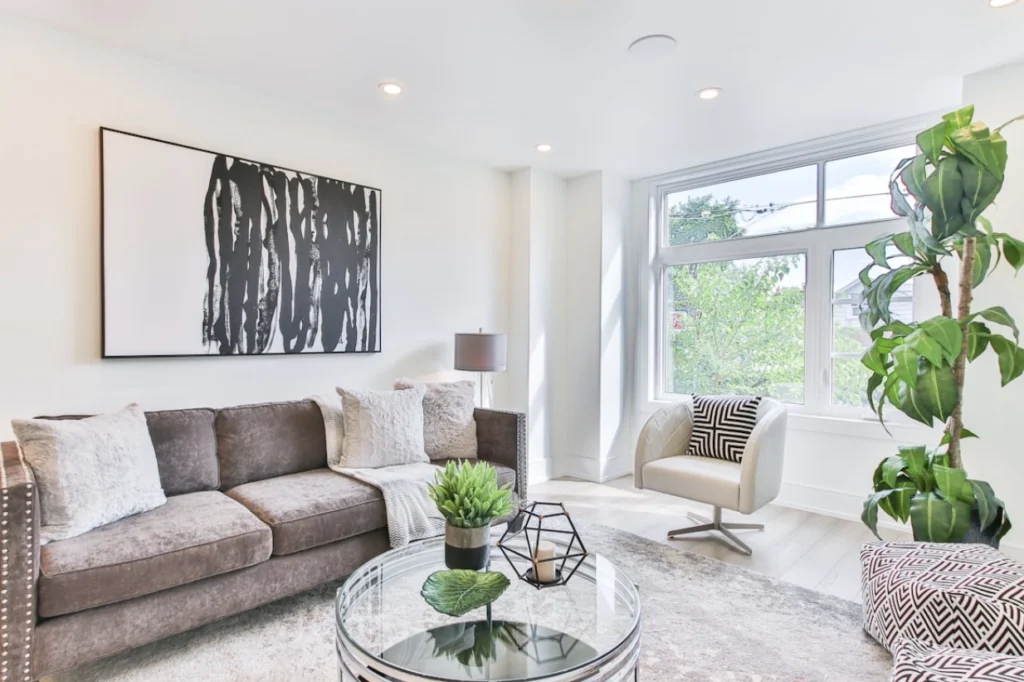
Image Source: https://unsplash.com/photos/brown-fabric-sofa-set-1vMz2_MclrM
Creating a home that supports wellness doesn’t demand major renovation or luxury materials. It begins with awareness of air, light, sound, movement, and emotion. Small adjustments in these areas can produce lasting improvements in comfort and vitality. When every room contributes to balance and restoration, the home becomes more than a shelter, it becomes a living system that sustains health, happiness, and peace.