A collision can throw the body off long after it ends. Breathing may turn shallow, sleep can feel lighter, and even simple tasks may seem harder than usual. The moment passes, but the body often holds onto it.
Getting back to yourself usually happens slowly. A fuller breath, a softer jaw, an easier walk. Recovery takes time, and pushing it often adds more strain. What helps most is usually simple and steady.
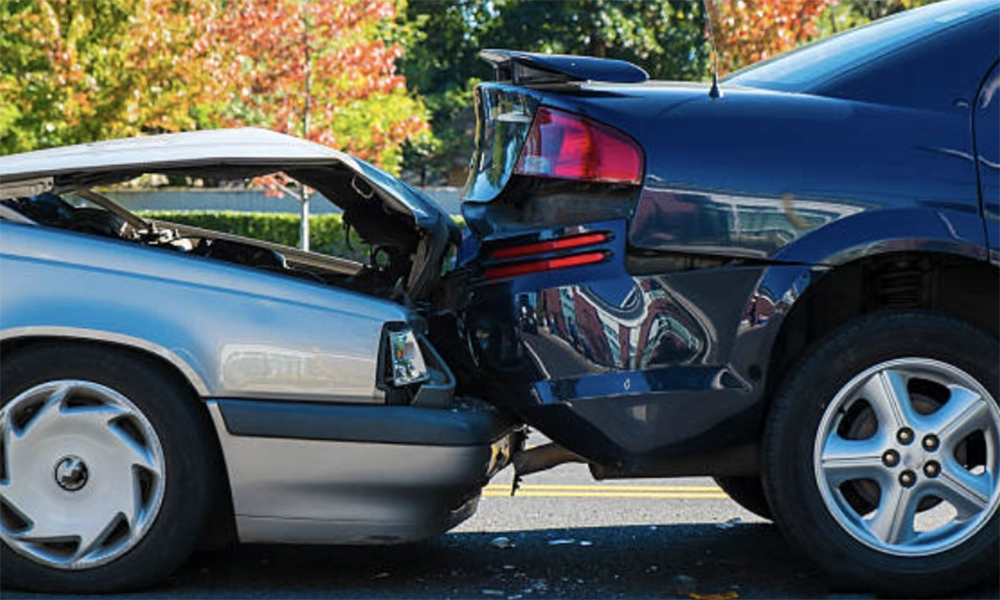
When the Body Stays Braced
After a collision, the body can stay tense even when life looks normal again. You may be home, back at work, or moving through the day, yet your shoulders stay tight, your jaw clenches, and your breathing feels short. Sleep can become patchy, and small interruptions may feel bigger than usual.
That tension is not always obvious. Sometimes it shows up as fatigue, irritability, or the sense that your body never fully relaxes. It helps to see these reactions as signs of strain, not weakness. Sometimes the body stays tense before you even have words for it. At this stage, the goal is simple: notice what still feels braced, and respond with care.
Start With Breath That Feels Manageable
After a collision, even the idea of taking a deep breath can feel like too much. The body may already be tense, tired, or overstimulated, which makes forced calm feel unnatural. A gentler approach usually works better. Instead of trying to breathe perfectly, it helps to notice your breath as it is and give it a little more room.
That might mean unclenching your jaw before changing anything else. It might mean exhaling for a second longer than usual while your shoulders drop a little. Small shifts matter because they ask less of the body. They create space without adding pressure, which is often what a strained system responds to best.
When everything still feels overstimulated, a few breathing exercises for stress can help the body slow down without asking too much of it at once.
Sit somewhere quiet. Place both feet on the floor. Let your breath settle into a pace that feels steady rather than impressive. Some people find comfort in counting the exhale. Others do better focusing on softness in the chest, neck, or hands. The goal is not to perform relaxation. It is to give the body a clear signal that this moment is safe enough to soften.
Small Routines That Help the Body Trust the Day Again
After a collision, the body often responds well to repetition. Not rigid routines or ambitious resets, just small patterns that make the day feel more predictable. A short walk each morning, a proper meal before the afternoon slips away, a few minutes without screens before bed. These habits may seem minor, yet they give the body steady signals that life is becoming more manageable again.
Physical comfort matters as much as structure. Warm food, enough water, softer lighting, and moments of quiet can all lower the sense of overload. Gentle stretching may help loosen the places that stay tense without asking too much from an already tired system. Rest helps, though it is not always the same as lying down. Sometimes it means reducing noise, postponing nonessential plans, or giving yourself a little less to carry for a few days.
The most helpful routines are often the ones that feel easy to repeat. Recovery tends to hold better when it is built through ordinary actions rather than bursts of effort. When the day becomes steadier, the body often follows.
Why Practical Support Can Ease Physical Stress
Stress rarely stays in the mind alone. It settles into the body through tight muscles, restless sleep, scattered focus, and the constant feeling that something still needs attention. After a collision, that pressure can build quickly when paperwork, appointments, expenses, and unanswered questions start piling up. Even small uncertainties can keep the body in a state of tension.
For someone recovering in Chicago, that strain can be sharpened by the pace of city life, busy roads, and the pressure of getting back to normal while everything still feels unsettled. In that setting, practical clarity can make a real difference. Some people find that speaking with a Chicago auto accident attorney helps ease part of that mental load, which leaves more room for rest, treatment, and day-to-day recovery.
The experience can feel different in other places. Someone in a smaller Midwestern town may face a quieter pace and shorter distances, while a person in parts of Texas, Arizona, or Southern California might be dealing with long drives and heavy dependence on a car. In parts of the Northeast, daily routines may look different again. The details change, but the underlying need is similar. When practical concerns feel more contained, the body often has a better chance to soften.
Let Recovery Be Slow Enough to Hold
There is a strong urge after any disruption to get back to normal quickly. After a collision, that pressure can show up in subtle ways: pushing through fatigue, brushing off tension, or expecting the body to settle on demand. Recovery rarely works like that. What lasts is often slower, steadier, and less visible at first.
A fuller breath, a calmer morning, a short drive that feels a little easier than it did last week. These shifts may seem small, yet they matter because they signal trust returning to the body in real time. Progress does not need to be dramatic to be real. It only needs to be steady enough to carry into the next day.
That is why a gentler recovery often holds more firmly than a rushed recovery. When the body is given steadiness instead of pressure, it has a better chance to soften, regulate, and find its rhythm again. Paying attention to nervous system healing can help that steadiness feel more real over time. Sometimes the most meaningful step is simply allowing healing to be gradual, and letting that be enough.
Interlinking suggestion
Link from https://wellbeingmagazine.com/how-emotional-trauma-can-impact-a-car-accident-claim/ to this article with anchor: re-sync body and breath after a collision
- About the Author
- Latest Posts

Our Editorial Team are writers and experts in their field. Their views and opinions may not always be the views of Wellbeing Magazine. If you are under the direction of medical supervision please speak to your doctor or therapist before following the advice and recommendations in these articles.