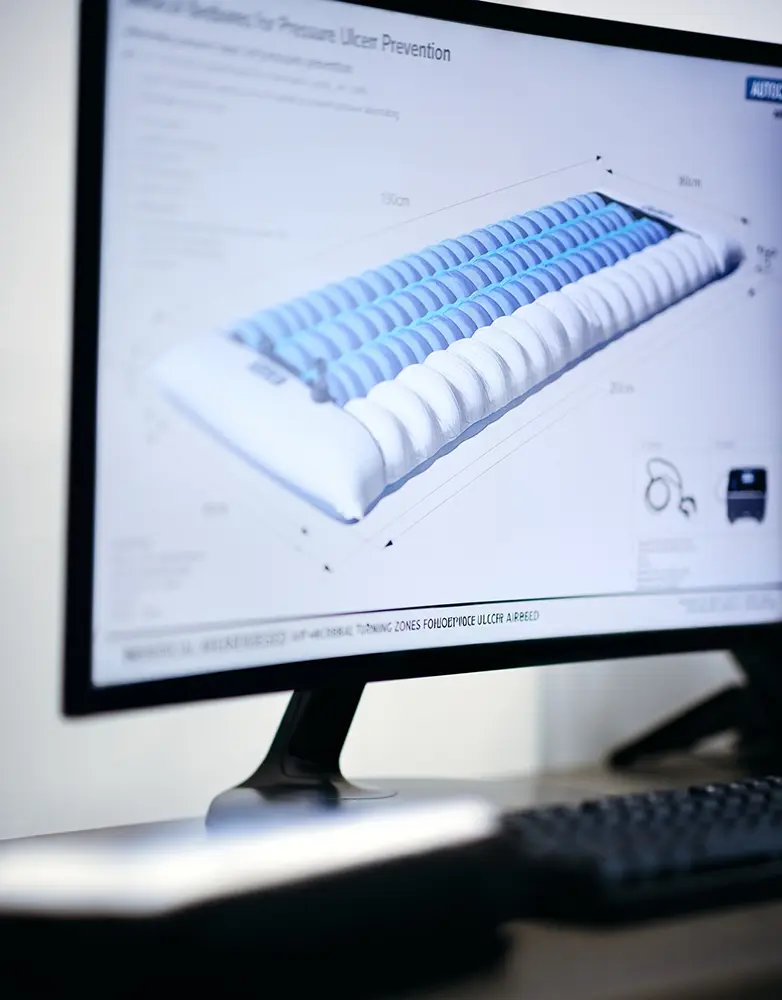
Selecting the right support surface represents one of the most critical pressure injury prevention strategies in healthcare today. Yet walk into any medical equipment room and you’ll find staff overwhelmed by options: foam, air, alternating pressure, low air loss, hybrid systems. What helps prevent pressure injury development?
The 2025 International Clinical Practice Guidelines cut through marketing hype with evidence-based recommendations for pressure injury prevention. Some findings might surprise you, especially if you’ve been told that more expensive always means better when preventing pressure injuries in hospital settings.
Why Simple Foam Still Ranks Among the Top Strategies to Prevent Pressure Injuries
Here’s what equipment vendors don’t advertise: basic pressure redistribution foam surfaces receive one of the strongest recommendations for pressure injury prevention. Not the $50,000 specialty beds or complex alternating systems, but quality foam mattresses that properly redistribute pressure.
The evidence supporting foam for pressure injury prevention is remarkably consistent. These surfaces work reliably to prevent pressure injury when selected and used appropriately. They don’t need power, require minimal maintenance, and provide consistent pressure redistribution that helps prevent pressure injuries.
But the guidelines draw a crucial distinction for pressure injury prevention strategies. They specifically recommend pressure redistribution foam, not standard hospital mattresses. That worn-out foam mattress that’s been compressed by hundreds of patients? It’s not providing the pressure injury prevention you think it is.
The guidelines also address a common misconception about preventing pressure injuries in hospital settings. They strongly recommend against fiber-filled surfaces when pressure redistribution foam is available. What are those egg-crate overlays staff sometimes add for “extra protection”? They may interfere with proper pressure injury prevention.
Comparing Technologies: What Works to Prevent Pressure Injury
When evaluating different pressure injury prevention strategies, the guidelines reveal something interesting. They suggest using either air (reactive) or pressure redistribution foam surfaces, essentially saying both technologies effectively prevent pressure injury when used appropriately.
This equivalence extends to other comparisons crucial for pressure injury prevention. Alternating pressure air surfaces versus pressure redistribution foam? Both get conditional recommendations. The message is clear: the “best” surface for preventing pressure injuries depends on individual patient factors, not technology superiority.
What about those sophisticated alternating pressure mattresses marketed as premium pressure injury prevention solutions? They work, but the evidence doesn’t show clear superiority over simpler options for most patients. For standard pressure injury prevention, quality foam often provides equivalent outcomes at a fraction of the cost.
This doesn’t mean all surfaces are equal for preventing pressure injuries in hospital ICUs or specialty units. Certain patients need specific technologies. But for routine pressure injury prevention strategies, the obsession with complex technology might be misplaced.
Specialized Surfaces: When Advanced Technology Supports Pressure Injury Prevention
Low-air-loss surfaces, which continuously circulate air to manage moisture, could enhance strategies to prevent pressure injuries when microclimate is a major concern. Consider your patient with profuse diaphoresis or severe incontinence. Managing that moisture becomes as important as pressure redistribution for pressure injury prevention.
The guidelines’ stance on air-fluidized beds illuminates practical pressure injury prevention strategies. They recommend against routine use but acknowledge benefits for very high-risk individuals. At several thousand dollars daily, these aren’t first-line pressure injury prevention tools but rather specialized interventions for specific situations.
Medical-grade sheepskins get an unexpected endorsement in pressure injury prevention strategies. Real medical-grade sheepskins (not synthetic alternatives) could help prevent pressure injury when used appropriately. But here’s crucial guidance: don’t place them over surfaces already designed for pressure redistribution. You might compromise pressure injury prevention by interfering with the surface’s intended function.
These nuances are crucial for preventing pressure injuries in hospital settings, where multiple products are often layered without consideration of their interaction. More isn’t always better in pressure injury prevention.
Critical Details That Make or Break Pressure Injury Prevention Strategies
Organizations must maintain appropriate support surface inventories to prevent pressure injury across diverse patient populations. The guidelines emphasize that surfaces should accommodate individual weight, height, size, and body mass distribution. Your bariatric patient needs different pressure injury prevention strategies than your frail elderly resident.
One often-overlooked aspect of preventing pressure injuries in hospital settings involves surfaces during procedures and transport. How many times have high-risk patients spent hours on standard OR tables or thin transport stretchers? The guidelines recommend pressure redistribution surfaces even during these temporary situations to prevent pressure injury.
The guidance on spinal boards is unequivocal for pressure injury prevention: transfer patients off these rigid surfaces as soon as medically feasible. Every minute on these boards exponentially increases tissue damage risk, compromising your pressure injury prevention efforts.
Seated Positioning: Forgotten Strategies to Prevent Pressure Injuries
While bed surfaces dominate pressure injury prevention discussions, seated individuals face significant risks, too. The guidelines strongly recommend seating surfaces with pressure redistribution properties as essential pressure injury prevention strategies for at-risk individuals.
Yet preventing pressure injuries in seated patients presents unique challenges. The guidelines advise limiting the time dependent patients spend sitting up, yet everyone is pushing for early mobilization. It’s a catch-22. You want patients up and moving for all the benefits that bring, but if they can’t shift their weight, every minute in that chair increases pressure injury risk. So what do you do? You get creative with repositioning schedules, teach weight-shifting techniques to anyone who can learn them, and accept that sometimes you have to choose between competing priorities based on what each patient needs most. Wheelchair users capable of weight shifts need education on techniques like push-ups or lateral leans. For dependent patients, pressure injury prevention requires carefully balancing sitting tolerance with skin protection needs.
The type of seating matters for pressure injury prevention. Standard wheelchair cushions might not provide adequate pressure redistribution. Specialized seating surfaces designed to prevent pressure injury often make the difference between successful mobilization and tissue breakdown.
Heel Protection: Essential but Often Neglected Pressure Injury Prevention
Heels present unique challenges for pressure injury prevention strategies. Minimal soft tissue coverage, small surface area, and often compromised circulation make heels extremely vulnerable. The guidelines offer clear direction for preventing pressure injuries at these high-risk sites.
The fundamental principle for heel pressure injury prevention is to elevate heels completely off the support surface. Simple concept, but observe any medical unit and you’ll find most heels improperly offloaded. This basic pressure injury prevention strategy gets overlooked despite its proven effectiveness.
The guidelines suggest heel offloading devices to prevent pressure injury, but here’s practical advice: standard pillows work when positioned correctly. You don’t need expensive equipment for effective heel pressure injury prevention strategies. Consistent, proper implementation matters more than technology.
Preventive heel dressings receive a conditional recommendation for pressure injury prevention, but only as additions to offloading and repositioning. A foam dressing on a heel still bearing weight isn’t pressure injury prevention; it’s false security. If using preventive dressings to help prevent pressure injury, the guidelines specifically recommend soft silicone adhesive multilayered foam products.
Notably, the guidelines make no recommendation about topical products for heel pressure injury prevention due to insufficient evidence. All those barrier creams and ointments marketed to prevent pressure injuries? The evidence doesn’t support their use for prevention.
Implementing Surface Selection Strategies to Prevent Pressure Injuries
How do you choose surfaces that effectively prevent pressure injury for your specific patients? Start by assessing individual risk factors, current skin condition, mobility level, ability to reposition, body habitus, and microclimate concerns.
For most at-risk patients, quality pressure redistribution foam surfaces provide excellent pressure injury prevention. Don’t feel pressured to use complex technology just because it’s available. Reserve specialized surfaces for patients whose pressure injury prevention strategies genuinely require advanced features.
Consider the entire care environment when preventing pressure injuries in hospital settings. That expensive alternating pressure mattress won’t prevent pressure injury if patients spend hours on standard wheelchairs or procedure tables. Comprehensive pressure injury prevention addresses every surface patients contact.
Remember that surfaces alone don’t prevent pressure injury. The guidelines explicitly state that even advanced support surfaces don’t eliminate repositioning needs. Think of surfaces as essential components of pressure injury prevention strategies, not complete solutions.
Practical Realities of Pressure Injury Prevention
The reality? These surfaces cost serious money. Your average facility is already stretched thin financially, and now they’re supposed to stock different mattresses for bariatric patients, pediatric units, and everyone in between. Then you’ve got the training issue. It’s not enough to just have the equipment sitting there. Staff need to know which patient goes on what surface and why. Most places are juggling so many priorities that pressure injury prevention equipment ends up pretty far down the budget list, at least until they get hit with a lawsuit or Medicare stops paying for hospital-acquired injuries.
The money has to come from somewhere, and administrators don’t always see prevention as a priority until they’re dealing with the costs of treating actual pressure injuries. Staff need training on proper selection and use to prevent pressure injuries effectively.
But consider the alternative to proper pressure injury prevention. A single hospital-acquired pressure injury can cost tens of thousands in treatment, extended stays, and potential litigation. Insurance increasingly refuses reimbursement for hospital-acquired pressure injuries, making prevention strategies financially critical.
The 2025 guidelines provide evidence-based direction for support surface selection to prevent pressure injuries. They demonstrate that effective pressure injury prevention doesn’t always require the most expensive technology. Sometimes, quality foam, proper heel elevation, and consistent implementation of basic strategies to prevent pressure injuries achieve excellent outcomes.
Moving Forward with Evidence-Based Pressure Injury Prevention
These guidelines show that preventing pressure injuries in hospitals and other settings requires thoughtful surface selection based on individual patient needs, not blanket policies or vendor recommendations. The evidence supports multiple approaches to pressure injury prevention, giving facilities flexibility in developing their strategies.
What matters most for pressure injury prevention isn’t having the latest technology. It’s matching appropriate surfaces to specific patients while maintaining comprehensive prevention protocols. The guidelines provide the framework for evidence-based pressure injury prevention strategies. Success depends on intelligent implementation tailored to your facility’s unique needs and resources.
Quality pressure injury prevention combines appropriate support surfaces with repositioning, skin assessment, nutrition optimization, and moisture management. No single intervention will prevent pressure injury alone. But with evidence-based surface selection as part of comprehensive strategies to prevent pressure injuries, facilities can dramatically reduce these preventable complications.
- About the Author
- Latest Posts

Our Editorial Team are writers and experts in their field. Their views and opinions may not always be the views of Wellbeing Magazine. If you are under the direction of medical supervision please speak to your doctor or therapist before following the advice and recommendations in these articles.