You know that sigh you let out when you walk into a room that finally feels calm? No mental clutter, no chaos. Your shoulders drop. Your brain quiets. That’s not about aesthetics; it’s your nervous system finally getting to rest. An organized home lets you just… be.
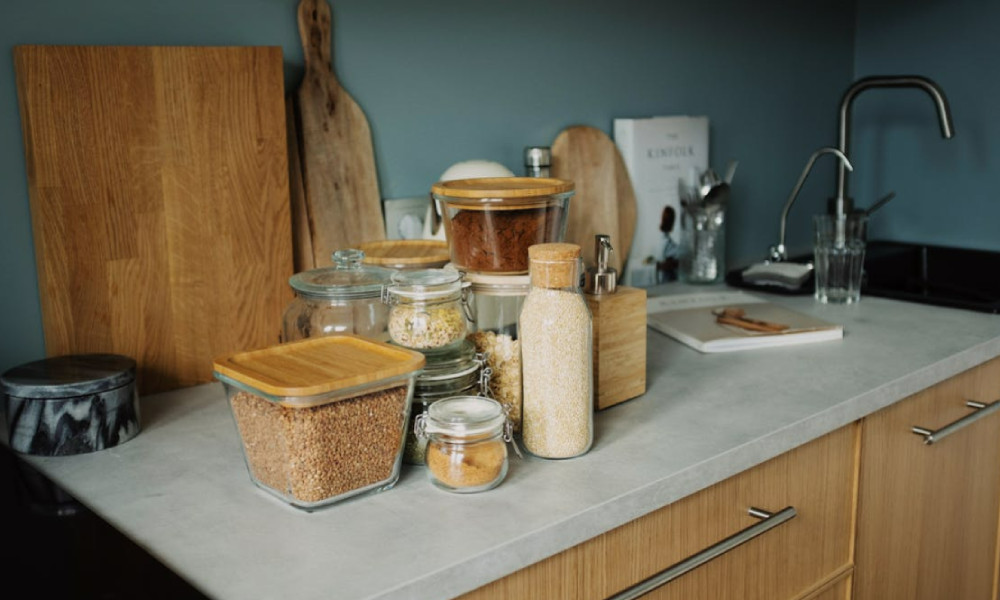
The Unseen Weight of Visual Clutter
We like to think we can ignore a messy room if we simply choose not to care. But neuroscientists would beg to differ. Our brains are wired to process visual information, and clutter represents a massive amount of unresolved stimuli.
- Cognitive overload: Every stray object on a countertop, a loose paper, a pair of scissors, a lonely sock, is a data point your brain has to process and dismiss. Over the course of a day, that constant low-level processing drains your cognitive resources, leading to decision fatigue and irritability.
- The unfinished loop: A pile of laundry waiting to be folded isn’t just fabric. It represents an unfinished task. Psychologically, unfinished tasks occupy “mental real estate,” looping in the background of your mind even when you’re trying to relax. An organized home closes those loops, signaling to your brain that the work is done and it’s safe to power down.
- A physical manifestation of anxiety: When your external environment feels out of control, it often exacerbates internal feelings of anxiety. Straightening your surroundings becomes one of the most accessible ways to regain a sense of agency when the rest of life feels unpredictable.
Creating Space for What Actually Matters
One of the biggest hurdles to organization is the simple reality of square footage. In many homes, we aren’t living with our things; we’re living around them. When every closet is bursting, and every corner is stacked with storage bins, the home stops serving the people and starts serving the stuff.
This is where the concept of strategic removal comes into play. Sometimes, getting organized means admitting that your current space wasn’t designed to hold your entire life’s worth of accumulated belongings. For seasonal items, sentimental keepsakes, or equipment used only a few times a year, utilizing a resource like SpareFoot Storage can be a game-changer. By moving these overflow items to a rented storage unit, you physically reclaim the square footage in your daily living environment. You aren’t getting rid of your things; you’re simply choosing to no longer let them act as obstacles in the hallways or stressors in the bedroom. The result is a home that breathes, giving you the literal and metaphorical space to focus on your family, your hobbies, and your rest, rather than your inventory.
The Sanctuary Effect: Sleep and Stress Reduction
Your bedroom should be a sanctuary, but too often it’s where clutter goes to hide. The state of this room hits close to home, literally affecting how you sleep and how you wake up.
- The cortisol link: Studies show cluttered bedrooms mean higher stress hormones at night. Walking into chaos before bed subtly tenses you up, making deep sleep harder to reach.
- Visual serenity: A calm room, clear surfaces, closed closet doors, signals “safety” to your brain. No threats here. You can relax.
- Morning momentum: Those first few minutes set the tone. Knowing where your glasses, your clothes, and the floor are replaces morning panic with morning peace.
The Economics of Organization (Time and Money)
We treat organization like a luxury for when we have “extra time.” But disorganization quietly drains our time and money, two things our mental health depends on.
- The ADHD tax: That money you spend replacing things you already own (the third pair of earbuds) or paying late fees because bills got buried in a pile. It adds up.
- The time sink: The average person spends over an hour a day searching for lost stuff. That’s nearly two weeks a year. An organized home gives you those weeks back.
- Meal prep and nutrition: A sorted kitchen makes cooking feel manageable. A chaotic one may take out the easy button, hard on your body and your wallet.
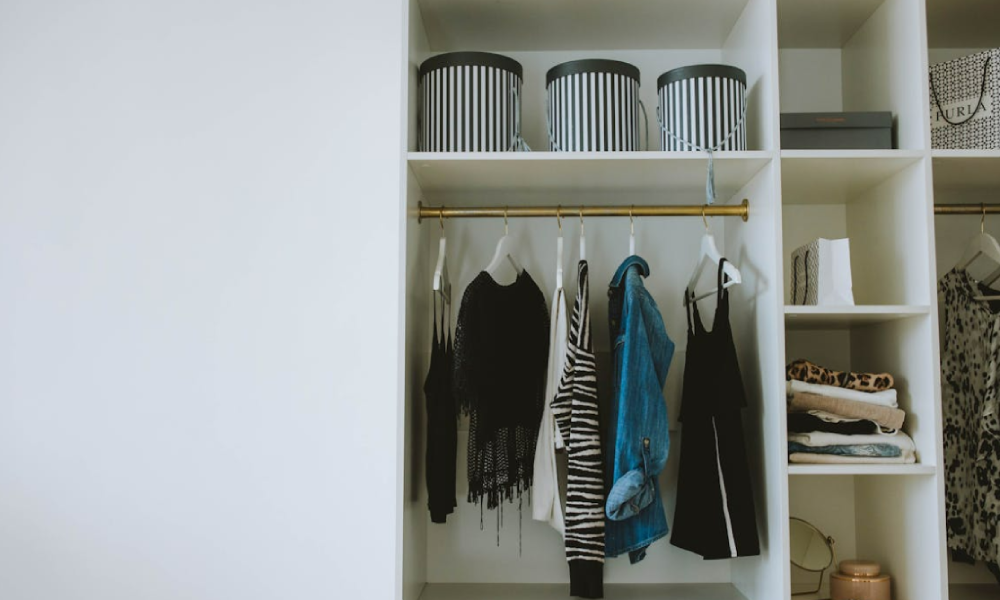
Fostering Connection and Reducing Relationship Friction
When you live with others, clutter isn’t just your problem; it becomes the silent third party in your relationships, quietly creating friction.
- Eliminating resentment: One person usually ends up carrying the mental load of managing chaos. Simple systems, a drop zone, a chore chart, spread responsibility evenly and remove that “I’m the manager” resentment.
- Quality over quantity: Instead of frantic weekend rescue cleans, organization means 15 minutes of daily maintenance. That frees up Saturdays for game nights, lazy afternoons, and actual connection.
- Safety for children: For families, organization means clear pathways, locked-away hazards, and less chaos overwhelming little nervous systems. Fewer meltdowns, calmer household.
Sustainable Systems, Not Perfectionism
It’s important to distinguish an organized home from a sterile one. The goal of organizing for well-being isn’t to achieve a minimalist, all-white aesthetic where no life is allowed to happen. That’s perfectionism, and perfectionism is the enemy of mental health.
- Function over form: The best organization systems are the ones that account for your actual life. If you hate folding fitted sheets, it’s okay to have a “linen basket” instead of a perfectly stacked closet. The goal is ease of use, not museum curation.
- The 80/20 rule: Aim for 80% organization. Life is messy. Art projects happen. Groceries spill. If you have systems that allow you to reset the space in under 20 minutes, you give yourself the grace to enjoy the mess without feeling like it’s a permanent state of failure.
- Gentle maintenance: Reframe tidying not as a punishment for making a mess, but as an act of self-respect. Putting the dishes away isn’t a chore; it’s preparing a clean canvas for tomorrow’s breakfast. Making the bed isn’t a task; it’s a gift you give your future self who walks in at 10:00 p.m. exhausted.
An organized home is not about having fewer things. It’s about ensuring that the things you have don’t distract you from the life you want to live. It’s about lowering the cognitive friction, so you have more energy left over for the things that truly define well-being: your relationships, your passions, and your ability to rest without guilt. When your home supports you rather than drains you, you aren’t just tidying up a room. You’re clearing a path back to yourself.
- About the Author
- Latest Posts

Our Editorial Team are writers and experts in their field. Their views and opinions may not always be the views of Wellbeing Magazine. If you are under the direction of medical supervision please speak to your doctor or therapist before following the advice and recommendations in these articles.