







The Enzymatic Gap: Why Your Gut Might Be Missing the Right Tools for Digestion
-
- December 11, 2025

If you’ve been struggling with bloating, gas, or cramping after meals and have gone down the rabbit hole of low-FODMAP diets and elimination protocols, you might be treating the wrong problem. While FODMAP intolerance has become a popular explanation for digestive distress, there’s a less-discussed culprit that can produce remarkably similar symptoms: enzyme deficiencies.
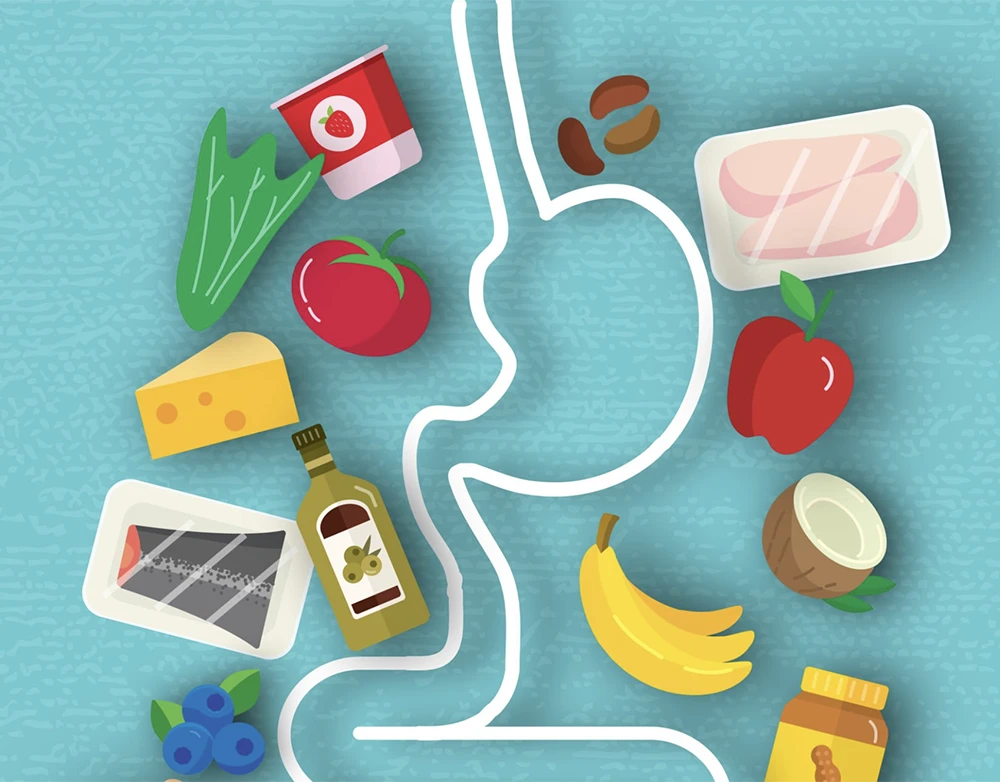
Your digestive system relies on a precise toolkit of enzymes to break down the food you eat. When one or more of these enzymes are missing or underproduced, certain foods become impossible to digest properly. The result? Symptoms that look almost identical to FODMAP intolerance, but require an entirely different approach to manage.
The Enzyme Assembly Line
Think of digestion as a disassembly line. Complex carbohydrates, proteins, and fats need to be broken down into their smallest components before your body can absorb them. Enzymes are the specialized workers on this line, each designed to tackle specific molecular bonds.
When everything works as intended, the lactose enzyme (lactase) splits milk sugar into glucose and galactose, sucrase-isomaltase cleaves table sugar and certain starches, and a host of other enzymes handle proteins, fats, and fiber. But when one of these enzymes is deficient or absent, the undigested food travels further down your digestive tract where bacteria ferment it, producing gas, bloating, and discomfort.
Sound familiar? That’s exactly what happens with FODMAPs—fermentable carbohydrates that some people can’t absorb well. The symptoms overlap so much that many people spend months or years restricting their diet based on FODMAP content when the real issue is a specific enzyme deficiency.
Lactase Deficiency: The Most Common Gap
Lactose intolerance is probably the most recognized enzyme deficiency, affecting an estimated 65-70% of the global population to varying degrees. After early childhood, many people naturally produce less lactase, the enzyme responsible for breaking down lactose (the sugar in dairy products).
What makes this confusing is that lactose is also considered a FODMAP. So if you react to dairy, you might assume you’re FODMAP-intolerant and cut out all high-FODMAP foods. But if lactase is your only deficiency, you’re restricting your diet far more than necessary. You could potentially tolerate onions, garlic, wheat, and legumes just fine—foods that often get eliminated on low-FODMAP protocols.
The key distinction: lactose intolerance is dose-dependent and specific. A person with lactase deficiency might handle a splash of milk in coffee but react strongly to a milkshake. Someone with broader FODMAP sensitivity might react unpredictably to various foods regardless of the specific carbohydrate involved.
Sucrase-Isomaltase Deficiency: The Hidden Player
Far less known than lactase deficiency, but potentially affecting up to 10% of people (with higher prevalence in certain populations), is congenital sucrase-isomaltase deficiency (CSID). This enzyme is responsible for breaking down sucrose (table sugar) and maltose (from starches).
People with CSID often struggle with seemingly random foods: they might react to potatoes, sweet fruits, anything with added sugar, and certain grains. Because these foods span multiple categories, the pattern can be maddeningly difficult to identify. Many people with CSID get diagnosed with IBS or are told to follow a low-FODMAP diet, which may help somewhat but doesn’t address the root cause.
What’s particularly tricky is that CSID exists on a spectrum. Some people have complete deficiency (more common in children), while others have partial deficiency that worsens with age or during illness. This variability makes self-diagnosis through diet tracking essential but also challenging.
Other Enzyme Gaps Worth Considering
While lactase and sucrase-isomaltase get the most attention, other enzyme deficiencies can cause digestive chaos:
Pancreatic enzyme insufficiency occurs when your pancreas doesn’t produce enough lipase, protease, or amylase. This affects fat, protein, and starch digestion, leading to oily stools, unexplained weight loss, and bloating after fatty meals.
Maltase and isomaltase deficiencies (separate from sucrase-isomaltase) affect starch digestion and can make you react to grains, potatoes, and corn in ways that seem inconsistent with typical FODMAP patterns.
DPP-IV deficiency relates to gluten sensitivity in some individuals, though this is distinct from celiac disease and remains somewhat controversial in research circles.
How to Tell the Difference
So how do you know if you’re dealing with an enzyme deficiency rather than broader FODMAP intolerance? Here are practical ways to investigate:
Track with precision. Keep a detailed food and symptom diary for at least two weeks. Note not just what you ate, but how much, when symptoms appeared (usually 30 minutes to 2 hours after eating for enzyme issues), and what those symptoms were. Look for patterns around specific food categories rather than scattered reactions across your diet.
Try enzyme supplementation strategically. Over-the-counter lactase supplements can quickly confirm lactose intolerance—take them before dairy consumption and see if symptoms disappear. For sucrase-isomaltase deficiency, prescription enzyme replacement (Sucraid) exists but requires medical diagnosis. Some people find broader digestive enzyme supplements helpful for pinpointing which foods become tolerable with enzyme support.
Notice the dose-response relationship. Enzyme deficiencies typically show clear dose dependence. A small amount of the problematic food might be fine, while a larger portion causes predictable symptoms. FODMAP intolerance can be more variable and affected by other factors like stress, hormones, or gut microbiome composition.
Test formally if possible. Hydrogen breath tests can identify lactose and fructose malabsorption. Genetic testing can reveal mutations associated with CSID. Upper endoscopy with biopsy can measure enzyme activity directly, though this is invasive and usually reserved for severe cases or children.
Consider your ancestry. Lactase persistence (the ability to digest lactose into adulthood) varies dramatically by ethnic background. Northern European ancestry correlates with higher lactase persistence, while East Asian, African, and Indigenous populations show higher rates of lactase deficiency. This doesn’t determine your individual status, but it can guide your suspicion.
Why This Matters for Your Approach
Understanding whether you have an enzyme deficiency versus FODMAP intolerance fundamentally changes your management strategy. With enzyme deficiencies, you have clear options: avoid the specific problematic foods, take enzyme supplements when needed, or carefully manage portion sizes. Your diet doesn’t need to be broadly restrictive.
With FODMAP intolerance, the picture is more complex. You’re typically dealing with gut dysbiosis, visceral hypersensitivity, or motility issues that require addressing the underlying gut health, not just avoiding certain foods forever. The low-FODMAP diet is meant to be temporary—a diagnostic and symptom-relief phase—followed by systematic reintroduction.
Misidentifying an enzyme deficiency as general FODMAP intolerance can lead to unnecessarily restricted eating, nutritional deficiencies, disordered eating patterns, and social isolation around food. It can also mean you miss the opportunity to use simple enzyme supplementation that could restore dietary freedom.
Moving Forward with Clarity
If you’ve been struggling with digestive symptoms and haven’t found clear answers, consider that your gut might simply be missing specific tools rather than being generally sensitive. Start with detailed symptom tracking focused on food categories and amounts. Test your theories with targeted enzyme supplementation when safe to do so. And work with a healthcare provider or dietitian who understands the nuance between enzyme deficiencies and broader digestive disorders.
Your digestive system is complex, and sometimes the solution is surprisingly specific. By identifying the precise enzymatic gaps in your digestion, you can stop treating your entire gut like it’s broken and start supporting it with exactly what it needs.
- About the Author
- Latest Posts

Our Editorial Team are writers and experts in their field. Their views and opinions may not always be the views of Wellbeing Magazine. If you are under the direction of medical supervision please speak to your doctor or therapist before following the advice and recommendations in these articles.