










The Gas vs. Hybrid Dilemma: Which Car Fits Your Lifestyle Best?
-
- December 19, 2025

Making the Right Choice Between Gas vs Hybrid Cars
Ever stood in a dealer lot, phone calculator in hand, while your coworker cruises past in their near-silent hybrid? That moment of second-guessing hits differently. The gas vs hybrid cars question isn’t some environmental virtue signal—it’s dollars, sense, and whether your actual driving habits justify the investment. Here’s something that’ll surprise you: only 10.9 percent of Q4 2024 U.S. light-duty vehicle purchases went electric.Translation? Nearly 89% of Americans still lean toward gas or hybrid options. That’s not stubbornness. It’s smart buyers doing the math.
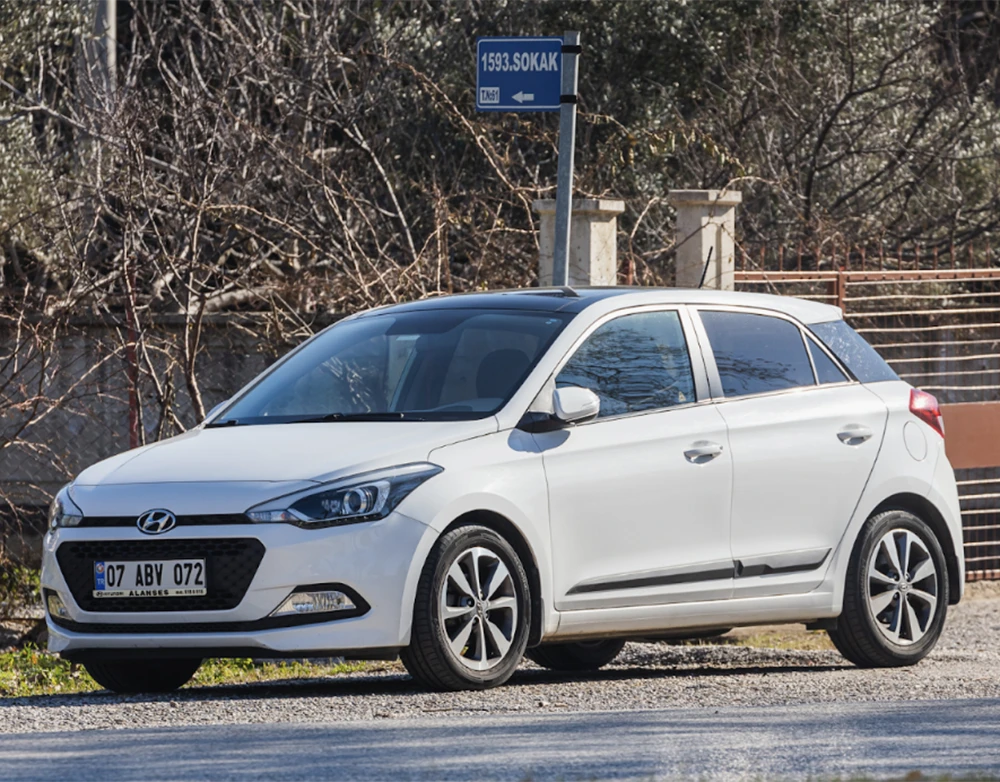
Understanding the True Cost: Gas vs Hybrid Cars Beyond the Sticker Price
Window stickers lie by omission. When you’re evaluating gas vs hybrid cars, the genuine financial narrative reveals itself across ownership years, not dealership signatures.
Initial Investment Reality Check
Let’s rip off the band-aid—hybrids demand roughly $2,500 to $4,000 more upfront than gas equivalents. Take the 2025 Honda CR-V: the conventional model hovers near $30,000, whereas the hybrid climbs to approximately $33,500. Good news? That spread is compressing thanks to aggressive manufacturer deals.
Federal tax credits slash up to $7,500 from qualifying plug-in hybrids through lease structures. State programs pile on further discounts. The certified pre-owned market presents another goldmine—discover 2-3 year old hybrids carrying factory warranties at 30% markdown from launch prices.
The 5-Year Ownership Cost Calculator
Numbers time. Assume you’re covering 12,000 miles annually with gas at $3.50 per gallon. A 30-mpg sedan bleeds about $1,400 yearly on fuel. The hybrid equivalent pulling 50 mpg? Roughly $840. You’re pocketing $560 each year, totaling $2,800 across five years.
Insurance ticks marginally higher for hybrids—expect $50-$100 extra per annum. Maintenance expenses track surprisingly parallel between powertrains, though hybrid brake systems last ages thanks to regenerative technology. Break-even typically arrives around year three for drivers exceeding 12,000 miles.
Hidden Costs Most Buyers Miss
Certain states impose hybrid surcharges on registration—Colorado tacks on $50 yearly to recoup gas tax shortfalls. Plug-in variants might necessitate Level 2 home charging infrastructure, costing $500-$1,200 for hardware and setup. The counterpoint? Numerous employers provide complimentary workplace charging, and utility companies dangle rebates for off-peak electricity consumption.
Shopping at a reputable hyundai dealership means asking tough questions about comprehensive ownership expenses upfront. Quality dealers dissect real financial implications beyond payment schedules.
Hybrid vs Gas Mileage: Real Numbers from Real Drivers
EPA figures shine on brochures, yet actual hybrid vs gas mileage lives and dies by your specific routes and behaviors. Let’s demolish marketing fluff and discuss what your dashboard will genuinely display.
City Driving: Where Hybrids Dominate
Stop-and-go environments represent hybrid territory. That regenerative braking harvests energy that conventional cars incinerate as friction heat. Take the Toyota Camry Hybrid, averaging 51 mpg urban versus the gas model’s 28 mpg—an 82% leap.
Someone commuting 15 miles each direction through city streets refuels every three weeks instead of weekly. Annually, that’s approximately $900 remaining in your wallet rather than Exxon’s.
Highway Performance: Closing the Gap
Hit consistent interstate speeds and the hybrid edge diminishes considerably. That identical Camry Hybrid achieves roughly 53 mpg highway compared to the gas variant’s 39 mpg. Superior? Absolutely. Revolutionary? Not quite.
Extended road trips don’t heavily favor hybrids since regenerative braking sits idle. Gas pumps also outnumber plug-in charging infrastructure significantly. Still, contemporary options like the Honda Accord Hybrid deliver impressive 47 mpg highway capability.
According to research, the average fuel cost of a vehicle on the Greenest List is a fifth of the average fuel cost of a vehicle on the Meanest List. Elite hybrids like the Prius Prime run just $529 yearly versus $3,000+ for conventional gas guzzlers.
Climate Impact on Fuel Economy
Arctic conditions punish hybrid batteries mercilessly. Anticipate 20-30% efficiency plunges when mercury dives below 20°F. Battery chemistry demands warming, and cabin heating siphons power that would otherwise propel the vehicle.
Scorching climates affect both technologies, though hybrids sacrifice marginally more efficiency powering air conditioning since it conflicts with electric systems. Desert residents report 10-15% drops during summer extremes. Geography matters—a hybrid excelling in San Diego might frustrate Minneapolis owners.
Best Car for My Lifestyle: Finding Your Perfect Match
Asking “what’s the best car for my lifestyle” demolishes asking “what’s objectively best” every time. Your actual patterns, not automotive journalism, should steer this choice.
The Daily Commuter
Logging 10-50 miles daily through variable traffic? Hybrids were engineered for exactly this scenario. A 30-mile round-trip commute saves approximately $1,800 yearly versus comparable gas alternatives. Options including the Toyota Prius, Honda Insight, or Hyundai Elantra Hybrid achieve 50+ mpg combined ratings.
Most commuters reach break-even within 2-3 years. Beyond that threshold, every mile becomes profit. Bonus: certain states grant hybrids HOV lane access regardless of passenger count—potentially trimming 20-30 minutes from commutes.
The Weekend Warrior
Minimal annual mileage reverses the calculation entirely. Driving merely 5,000-8,000 miles yearly means that the hybrid premium requires a 6-8 year recovery. Battery degradation emerges as a legitimate concern when vehicles idle most weeks.
Occasional drivers benefit more from well-maintained used gas vehicles. You’ll sidestep the hybrid premium without accumulating sufficient mileage for fuel savings payoff. Straightforward maintenance and documented reliability outweigh MPG when odometers crawl.
The Family Hauler
Contemporary hybrid SUVs finally provide the space families demand without fuel consumption guilt. The Toyota Highlander Hybrid accommodates eight passengers while managing 36 mpg combined—remarkable for three-row architecture. Honda’s CR-V Hybrid delivers 75+ cubic feet of cargo capacity with rear seats folded.
Monitor battery placement, potentially compromising trunk volume. Physically test your equipment—strollers, athletic gear, luggage—before financial commitment. Towing capability typically drops on hybrids, though outliers like the Toyota Tundra Hybrid now handle 11,000+ pounds.
Pros and Cons of Hybrid Cars: The Complete Truth
Every powertrain involves compromises. Grasping the pros and cons of hybrid cars clarifies whether those trade-offs align with your priorities or create perpetual annoyances.
Hybrid Advantages Often Overlooked
Beyond fuel economics, hybrids run unnervingly silent in electric-only mode at lower speeds. That quietness cultivates peaceful cabin environments for calls or audio content. Instantaneous electric torque facilitates confident highway merging without lag plaguing certain gas engines.
Brake components endure remarkably longer—occasionally 100,000+ miles—since regenerative systems absorb most stopping forces. That’s tangible maintenance savings. Numerous hybrids also retain resale strength superior to gas alternatives as fuel volatility persists and emission regulations tighten.
Hybrid Drawbacks to Consider
Cargo volume suffers in designs where batteries intrude on storage areas. Specialized hybrid component repairs can escalate costs, though warranties typically shield major systems for 8-10 years. Locating technicians comfortable servicing hybrids remains challenging outside metropolitan regions.
Cold climate performance noticeably deteriorates, and drivers sometimes report less engaging dynamics from continuously variable transmissions common in hybrids. Additional battery weight influences handling characteristics compared to lighter gas counterparts.
Gas Car Benefits in 2025
Conventional vehicles maintain advantages in upfront affordability, mechanical simplicity, and universal service access. Virtually any technician handles them, replacement parts flood markets affordably, and battery degradation or eventual replacement never crosses your mind.
Enthusiasts access broader performance options through gas engines—turbocharged acceleration, manual transmissions, sportier dynamics. Impromptu road trips demand zero preparation; fueling stations saturate the country. Buyers planning 10+ year ownership find gas powertrains offer documented longevity without costly battery replacements.
Choosing Between Hybrid and Gas Car: Your Decision Framework
Choosing between hybrid and gas car alternatives becomes straightforward when matching specific variables to your circumstances. Eliminate speculation using these concrete decision factors.
The Mileage Threshold Test
Annual mileage functions as your primary filter. Below 8,000 miles yearly? Gas typically wins economically. Between 8,000-12,000 miles? Genuinely competitive—investigate your precise patterns. Exceeding 12,000 miles, particularly with substantial city driving? Hybrids provide unambiguous financial benefits.
Compute actual mileage by monitoring one representative month and multiplying by twelve. Memory fails—most underestimate driving by 20-30%. Include that weekend family visit or annual vacation expedition.
The Financial Health Check
Can you absorb higher initial costs without budget strain? Even with financing, hybrid premiums translate to $40-$70 elevated monthly obligations. If that squeezes finances uncomfortably, conventional vehicles make better immediate sense.
Weigh opportunity cost simultaneously. Investing that $3,000 hybrid premium at 7% annual returns yields $4,200 over five years—potentially exceeding fuel savings. Financial professionals recommend modeling both scenarios.
The Values Alignment Test
Mathematics isn’t everything. If minimizing carbon footprint carries personal weight, hybrids slash emissions 30-40% even incorporating manufacturing impacts. Some buyers simply appreciate cutting-edge technology and embrace early adoption.
Others prize simplicity, proven dependability, and complexity reduction. Neither philosophy is incorrect—it’s what provides peace of mind. Environmental priorities, technological comfort levels, and future-proofing all merit consideration.
Quick Comparison: Gas vs. Hybrid Key Factors
| Factor | Gas Vehicle | Hybrid Vehicle |
| Upfront Cost | Lower ($2,500-$4,000 less) | Higher (incentives help) |
| Fuel Economy (City) | 25-30 MPG typical | 45-55 MPG typical |
| Fuel Economy (Highway) | 35-40 MPG typical | 45-50 MPG typical |
| Maintenance Frequency | Standard intervals | Similar, fewer brake jobs |
| Repair Costs | Lower, widely serviceable | Higher for specialized parts |
| Cold Weather Impact | Minimal efficiency loss | 20-30% efficiency drop |
| Resale Value | Declining steadily | Holding stronger |
| Best For | Low mileage, rural areas | High mileage, city driving |
Your Burning Questions Answered
How much money will I really save with a hybrid over five years?
Drivers exceeding 12,000 annual miles typically save $2,500-$3,500 in fuel expenditures across five years versus equivalent gas vehicles. City-dominated commuters see upper savings ranges, while highway-focused drivers save closer to $1,800-$2,200.
Do hybrid batteries actually last, or will I face expensive replacements?
Contemporary hybrid batteries generally endure 10-15 years with minimal degradation. Standard warranties cover 8-10 years or 100,000-150,000 miles. Replacement expenses have plummeted 50% since 2015, currently running $2,000-$3,500 for most models when necessary.
Can I get a hybrid that handles like a regular car?
Absolutely. Modern hybrids, including the Honda Accord Hybrid, Mazda CX-50 Hybrid, and Toyota Camry Hybrid, operate indistinguishably from gas versions under normal conditions. Sluggish, disconnected hybrid driving became history years ago.
Your Perfect Ride Awaits
No universal champion exists in the gas versus hybrid debate—only optimal choices for individual circumstances. Commuters accumulating substantial city mileage benefit enormously from hybrid efficiency, while low-mileage drivers frequently can’t justify premiums. Family haulers discover today’s hybrid SUVs finally accommodate their spatial requirements, and weekend warriors might prefer gas straightforwardness. Calculate genuine annual mileage, factor driving environments, and maintain budget honesty. The superior vehicle isn’t award-winning or list-topping—it’s whatever integrates seamlessly into your routine without buyer’s remorse.
- About the Author
- Latest Posts

Our Editorial Team are writers and experts in their field. Their views and opinions may not always be the views of Wellbeing Magazine. If you are under the direction of medical supervision please speak to your doctor or therapist before following the advice and recommendations in these articles.


