
Physical injuries change lives in an instant. While broken bones or scars are visible, the mental toll is often hidden. Understanding how an accident affects your mind is the first step toward a full recovery.

The Hidden Burden of Physical Trauma
Physical pain is only part of the story. Many people find that their mental well-being takes a hit right after an accident. Dealing with insurance companies and medical bills adds a lot of stress. Experts like Malloy Law Attorneys help people navigate these complex legal situations every day. This support allows victims to focus on their emotional healing rather than paperwork. Having a professional handle the logistics provides a sense of security.
Recovering from a crash or a fall requires a lot of patience. Your brain needs time to process the event, just like your body needs time to knit bone.
Links Between Injury and Mental Health Conditions
Medical professionals find a strong connection between physical harm and psychological states. A recent study found that primary care patients with mental health conditions were more likely to experience an injury in any given month.
This cycle makes it hard to break free from the stress of a sudden event. It suggests that our state of mind plays a massive role in our physical safety.
Keeping a calm mind helps prevent accidents from happening in the first place. Once an injury occurs, staying positive becomes a difficult but necessary task.
The Timeline of Recovery and Mental Wellness
Some symptoms of emotional distress do not show up immediately. Research shows that one-third of accident survivors develop mental health problems within a year of the incident.
Waiting to address these feelings leads to longer recovery times. It is better to seek help as soon as you notice changes in your mood or sleep patterns.
Many people think they can just power through the sadness. However, this approach often leads to more complications later on.
Traumatic Brain Injuries and Mood Changes
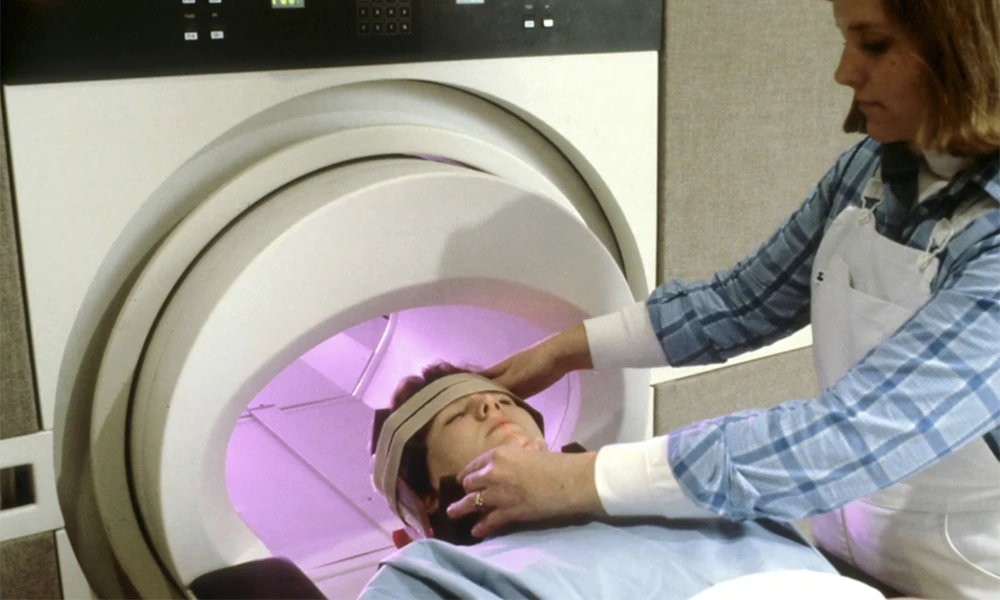
Head injuries are particularly tricky since they directly affect how the brain functions. One publication noted that concussions and head impacts have been linked to depressive symptoms in many patients.
These physical changes in the brain can mimic other conditions like overtraining syndrome. This makes it hard for doctors to find the exact cause of a patient’s low mood.
Patients with brain injuries often feel like a different person. Support from family and specialized doctors is the best way to manage these shifts.
Workplace Injuries and Long-Term Outcomes
Getting hurt at work brings a unique set of challenges and fears. Data indicate that individuals with workplace injuries had worse mental disorder outcomes over time than individuals with nonworkplace injuries.
The pressure to return to work while in pain is overwhelming. Financial worries about lost wages make the anxiety worse.
Workers often feel like they are letting their team down. This guilt can spiral into deep depression if it is not addressed by a counselor.
The Importance of Mental Rehabilitation
Healing the body is only half the battle when it comes to sports or active lifestyles. Experts suggest that mental rehabilitation is just as important as physical rehabilitation when recovering from an athletic injury.
- Regular therapy sessions
- Mindfulness and meditation
- Support groups for accident survivors
- Consistent sleep schedules
Recovering athletes often struggle with their sense of self during this time. A holistic approach makes sure that every part of the person receives care.
Road Accidents and Global Disability
Car crashes are a major source of trauma for millions of people. Statistics show that road traffic accidents remain the third leading cause of disability worldwide.
The sheer volume of people affected means that mental health support is a global necessity. Better systems are needed to help survivors cope with the aftermath of a collision.
Public health experts are pushing for more awareness regarding the psychological scars left by these events. Dealing with a long-term disability leads to a cycle of frustration and isolation.
Recognizing Symptoms of PTSD and Depression
Medical experts encourage a proactive approach to mental health after a trauma. A medical journal suggested that physicians caring for trauma patients should screen them for early symptoms of PTSD and depression.
Catching these signs early prevents them from becoming chronic issues. It allows for a treatment plan that addresses both the mind and body.
Families should watch for signs like social withdrawal or loss of interest in hobbies. These are often the first clues that someone is struggling internally.
Statistics on Long-Term Emotional Impacts
The numbers show that mental health issues are common after a serious injury. One report found that at 12 months, injured patients had a higher prevalence of depression and anxiety compared to those who were not injured.
Anxiety affected 28.6% of those recovering from a physical trauma. These figures highlight why emotional support should not be an afterthought.
Survivors need to know that they are not alone in these feelings. Seeking professional guidance is a sign of strength – not weakness.
Recovery is a journey that involves more than just doctor appointments. Taking care of your mind is just as vital as following a physical therapy routine. When you address both aspects of your health, you build a stronger foundation for the future. With the right support and patience, you can move past the trauma and reclaim your quality of life.
- About the Author
- Latest Posts

Our Editorial Team are writers and experts in their field. Their views and opinions may not always be the views of Wellbeing Magazine. If you are under the direction of medical supervision please speak to your doctor or therapist before following the advice and recommendations in these articles.