
Windows are often described as the “eyes” of a home or building, providing views of the outside world while letting natural light pour in. Their role goes far beyond aesthetics. Clean windows dramatically influence the brightness, mood, and functionality of indoor spaces.
Dust, grime, and streaks block sunlight and create a dull, shadowed environment that artificial lighting can rarely replace. Proper window cleaning has a measurable impact on energy efficiency, health, and even mental well-being, making it an important part of building maintenance and home care.
Enhancing Natural Light with Clear Glass
Few factors affect room brightness as significantly as window clarity. Even a thin layer of dirt, pollen, or smudges can scatter sunlight, reducing the amount of illumination that enters a room.
This dimming effect often goes unnoticed until the windows are cleaned and the difference becomes striking. For those looking to maximize indoor brightness, it helps to follow practical tips for cleaning windows effectively to ensure glass surfaces remain spotless. Proper cleaning involves more than simply wiping with water.
Using the right tools, such as microfiber cloths and squeegees, prevents streaks that scatter light. Specialized cleaners can remove mineral deposits left by hard water or rain, restoring glass to its original transparency. When windows are maintained regularly, rooms benefit from consistent, unobstructed natural light, which improves visibility and creates a more open, inviting atmosphere.
The increase in brightness after cleaning can reduce reliance on artificial lighting during the day. By maximizing natural light, households and businesses lower energy consumption, cutting costs while promoting sustainable living practices.
Psychological Benefits of Brighter Interiors
Sunlight has long been linked to psychological well-being. Clean windows that allow more daylight indoors can positively affect mood, productivity, and mental health. Exposure to natural light helps regulate circadian rhythms, which are critical for healthy sleep patterns. It stimulates the production of serotonin, a neurotransmitter associated with feelings of happiness and calm.
In workplaces, brighter interiors improve employee focus and reduce fatigue, making proper window cleaning part of a broader strategy for creating healthier work environments. In homes, sunlight enhances comfort and creates a sense of connection to the outdoors, reducing feelings of confinement. By contrast, rooms with grimy windows often feel closed off, darker, and less welcoming, even if artificial lights are used.
Supporting Energy Efficiency
Clean windows play a direct role in household and commercial energy efficiency. When glass surfaces are free from dirt and buildup, they allow more sunlight to pass through. This natural light helps warm interiors during colder months, reducing heating costs. In contrast, dirty windows block this passive heat gain, forcing heating systems to work harder.
Energy savings extend to lighting as well. Brighter rooms require fewer artificial lights during daylight hours, which lowers electricity usage. These reductions contribute to significant cost savings and smaller carbon footprints. By integrating regular window cleaning into building maintenance schedules, property owners benefit from both improved comfort and efficiency.
Extending the Lifespan of Windows
Beyond brightness, proper cleaning preserves the structural integrity of windows. Dirt, pollution, and mineral deposits can gradually etch into the glass, causing permanent damage if not removed. Frames and seals are at risk when grime accumulates, as trapped moisture can lead to mold growth, wood rot, or corrosion.
Consistent cleaning prevents these issues, extending the lifespan of windows and reducing the need for costly replacements. For commercial buildings with large glass surfaces, this preventive maintenance is important. The financial investment in routine cleaning pays off by delaying major repair or replacement expenses.
Techniques for Effective Window Cleaning
Not all cleaning methods are created equal. Using the wrong approach can leave streaks, scratches, or residue that diminish both brightness and appearance. Effective techniques include:
- Using microfiber cloths or squeegees instead of paper towels, which often leave lint and streaks
- Applying cleaning solutions designed for glass, or simple mixes of water and vinegar for eco-friendly alternatives
- Cleaning windows on cloudy days or during cooler times of the day to prevent streaks caused by rapid drying in direct sunlight
- Paying attention to window tracks, sills, and screens, which contribute to indoor air quality and window performance
For large or hard-to-reach windows, professional cleaning services may be the safest and most effective option. Professionals have access to specialized equipment, purified water systems, and safety gear that allow them to clean thoroughly without risking damage or injury.
Seasonal Considerations in Window Maintenance
Different seasons bring unique challenges that affect window cleanliness and brightness. Spring often leaves behind pollen and rain spots, while summer dust and insect activity can coat glass surfaces. Autumn introduces debris like falling leaves and increased humidity, while winter’s snow, salt, and condensation create buildup that dulls transparency.
Adapting cleaning schedules to these seasonal changes ensures year-round brightness. Many homeowners find that a deep cleaning at the start of each season, paired with occasional touch-ups, keeps windows consistently clear. In high-pollution areas or coastal regions where salt residue is common, more frequent cleaning may be necessary.
Health and Hygiene Benefits
Clean windows contribute to healthier indoor environments by reducing the buildup of allergens, pollutants, and microorganisms that often go unnoticed. Dust, pollen, and mold spores can collect on glass, frames, and window sills. Without regular cleaning, these particles can infiltrate the indoor air whenever windows are opened, or they may circulate through HVAC systems, aggravating allergies and respiratory issues. For individuals sensitive to air quality, the difference between a well-maintained window and a neglected one can be significant.
Maintaining clean surfaces helps create a healthier atmosphere by removing these hidden contaminants before they become problematic. In offices or schools, where large groups of people gather daily, this preventive measure can reduce the spread of irritants and improve comfort levels for everyone inside. In homes, clean windows contribute to fresher air and reduce the likelihood of flare-ups for those with asthma or seasonal allergies.
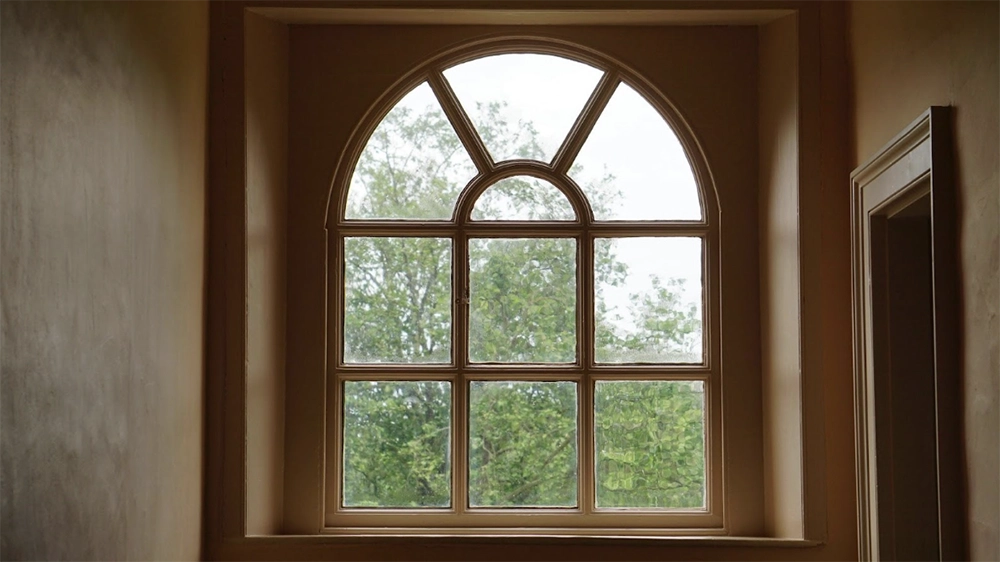
The impact of proper window cleaning goes far beyond appearances. Clear glass allows natural light to brighten interiors, improves mood, supports energy efficiency, and safeguards the longevity of windows themselves. With consistent attention and the right cleaning techniques, homeowners and businesses can create healthier, more inviting, and cost-effective spaces.
By prioritizing clean windows, individuals transform the way their rooms look and feel and contribute to long-term wellness and sustainability. What seems like a simple chore is, in reality, a powerful tool for enhancing daily life, proving that the brightness of a room begins with the clarity of its windows.