







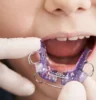


The Importance of Early Orthodontic Evaluations for Children
-
- November 25, 2025

Many parents wonder when the right time is for their child to see an orthodontist. While it might seem early, an initial evaluation can provide valuable insights into your child’s dental development. Understanding the benefits of an early check-up can help you make informed decisions for their future smile.
This proactive approach isn’t about getting braces immediately. Instead, it’s about identifying potential issues before they become more complex to treat.
Key Takeaways
- The American Association of Orthodontists recommends a child’s first orthodontic evaluation by age 7.
- Early evaluations can identify subtle problems with jaw growth and emerging teeth while baby teeth are still present.
- Addressing issues early can prevent more serious problems from developing and may make future treatment shorter and less complex.
- Not all children who have an early evaluation will need immediate treatment; many will simply be monitored.
Why Age 7 is the Recommended Age for a First Visit
By the age of seven, most children have a mix of baby teeth and adult teeth. This makes it an ideal time for an orthodontist to spot subtle problems with jaw growth and emerging permanent teeth.
An orthodontist can evaluate the relationships between the teeth, jaw, and face. This allows them to identify developing issues that might not be apparent to a general dentist or a parent.
What an Orthodontist Looks for During an Early Evaluation
During an initial screening, an orthodontist is not just looking at the straightness of the teeth. They are conducting a comprehensive assessment of your child’s oral development.
They will check for issues such as crowding, spacing, and problems with how the upper and lower jaws fit together. They also look for crossbites, overbites, and underbites, which can affect jaw development and tooth wear.
Identifying Hidden Problems
Some orthodontic problems are inherited, while others can result from habits like thumb-sucking, early or late loss of baby teeth, or even mouth breathing. An early evaluation can uncover the root cause of these issues.
For example, a narrow upper jaw can lead to crowded teeth and breathing difficulties. An orthodontist can identify this and recommend a course of action to guide jaw growth properly.
The Benefits of Interceptive Treatment
When an orthodontist identifies a developing problem, they may recommend what is known as Phase 1, or interceptive, treatment. This early intervention aims to correct issues before they become more severe.
The primary goal of interceptive treatment is to ensure the jaw grows correctly and to create adequate space for permanent teeth to erupt properly. This can simplify or even eliminate the need for more extensive treatment later on.
Making Future Treatment Easier
Children who receive early treatment may still need braces or other appliances in their teenage years. However, the duration and complexity of their Phase 2 treatment are often significantly reduced.
By guiding jaw development and managing tooth eruption, orthodontists can create a healthier environment for permanent teeth. This foresight is a key benefit of seeing a specialist early. Teams at practices like Scaffidi Orthodontics focus on this long-term approach to help ensure the best possible outcomes for their young patients.
What Happens if No Treatment is Needed?
It is important to remember that an early evaluation does not automatically lead to braces. In many cases, an orthodontist will determine that no immediate intervention is necessary.
If the child’s oral development is on track, the orthodontist will simply recommend periodic monitoring. This allows them to keep an eye on jaw growth and the eruption of permanent teeth, ensuring that any new issues are caught promptly.
Peace of Mind for Parents
An early orthodontic evaluation provides parents with valuable information and peace of mind. Knowing whether your child’s dental development is normal or if there are issues to watch for empowers you to be proactive about their health.
This initial visit establishes a baseline and opens a line of communication with an orthodontic specialist. You will have a clear understanding of your child’s needs and a plan for the future.
Frequently Asked Questions (FAQ)
Q: Will my child definitely need braces if they see an orthodontist at age 7?
A: No. The first visit is an evaluation to assess growth and development. Many children are simply monitored, and no immediate treatment is recommended. The goal is to identify and intercept problems if necessary.
Q: What is the difference between Phase 1 and Phase 2 orthodontic treatment?
A: Phase 1, or interceptive treatment, is performed on younger children to correct developmental issues with the jaw and make room for permanent teeth. Phase 2 is what most people consider “traditional” braces, which occurs later to align the permanent teeth.
Q: Is an orthodontic evaluation painful for a child?
A: Not at all. The initial evaluation is a simple visual examination. The orthodontist will look inside your child’s mouth and may take some diagnostic pictures or X-rays, none of which are painful.
Q: Can I just wait until all my child’s permanent teeth are in?
A: While you can wait, addressing certain orthodontic issues is often easier and more effective when the child is still growing. Early intervention can prevent the need for more complex procedures, like tooth extractions or jaw surgery, later on.
- About the Author
- Latest Posts

Our Editorial Team are writers and experts in their field. Their views and opinions may not always be the views of Wellbeing Magazine. If you are under the direction of medical supervision please speak to your doctor or therapist before following the advice and recommendations in these articles.


