Healthcare institutions produce a wide range of waste materials during daily clinical operations. These materials include sharps, contaminated supplies, pharmaceutical residues, and laboratory discards that demand careful handling. Safe waste management thus remains a vital responsibility for hospitals, diagnostic centers, and research facilities.
Reliable systems become essential when facilities adopt regulated medical waste disposal procedures that meet strict health standards. Waste management experts guide institutions through structured processes that protect public health and environmental safety. Professional oversight ensures that disposal practices remain compliant with regulations and aligned with healthcare hygiene goals.
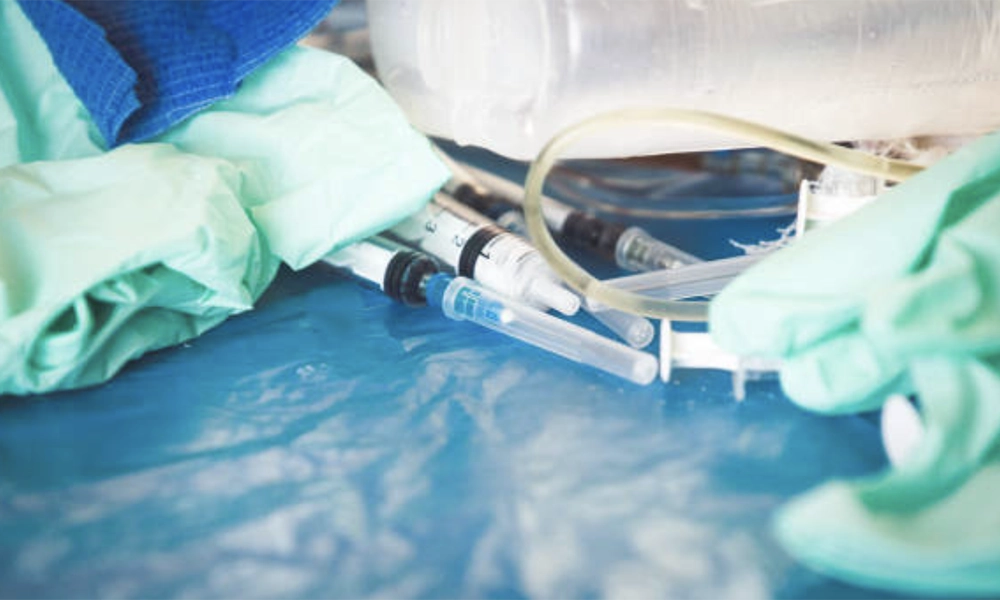
Healthcare Safety Depends on Structured Waste Handling
Safe waste management begins with organized handling procedures inside medical facilities. Contaminated materials require clear separation from general refuse to prevent accidental exposure and infection risks. Structured processes create a secure environment where healthcare staff can perform duties with confidence.
Expert waste management teams design protocols that simplify complex disposal requirements. Specialized containers, labeled storage zones, and defined collection schedules support consistent operations. Reliable systems prevent hazardous materials from entering common waste streams and reduce potential contamination.
Essential Responsibilities of Professional Waste Management Teams
Healthcare institutions depend on experienced professionals to oversee safe disposal operations. These specialists coordinate procedures that maintain safety standards across multiple departments. Each responsibility contributes to smooth and accountable waste management systems.
Key duties generally include:
- Coordinating scheduled waste collection within hospitals and laboratories.
- Supervising the safe packaging and labeling of hazardous materials.
- Monitoring transport procedures from healthcare facilities to treatment centers.
- Maintaining documentation required for regulatory inspections.
Professional supervision ensures that waste management practices remain organized and transparent.
Regulatory Compliance Strengthens Healthcare Accountability
Government regulations establish strict standards for handling hazardous medical waste. Compliance protects healthcare institutions from legal consequences and strengthens patient safety policies. Waste management experts guide facilities through these regulatory frameworks with precision.
Compliance procedures involve documentation, record tracking, and regular internal assessments. Professional teams review operational practices and confirm adherence to approved disposal methods. Healthcare administrators benefit from structured guidance that simplifies complex regulatory requirements.
Waste Segregation Practices That Protect Public Health
Effective segregation forms a crucial element of safe waste management programs. Healthcare staff must separate infectious materials, sharps, chemical waste, and general refuse according to established safety categories. Proper sorting prevents cross-contamination and reduces exposure risks.
Common segregation practices include:
- Color-coded bins designated for specific waste categories.
- Secure sharps containers designed for needles and surgical instruments.
- Clearly labeled storage zones within hospital departments.
- Scheduled removal of hazardous materials from clinical areas.
Accurate segregation supports safe treatment and disposal processes across healthcare environments.
Treatment and Disposal Methods Managed by Experts
Hazardous medical waste requires specialized treatment before final disposal. Autoclaving systems sterilize infectious materials through controlled steam processes that eliminate harmful pathogens. Incineration remains essential for waste types that require high-temperature destruction.
Professional teams select treatment methods that align with safety guidelines and environmental policies. Continuous supervision ensures that regulated medical waste disposal procedures follow approved treatment standards. Structured disposal strategies protect communities while maintaining healthcare sanitation.
Thus, safe medical waste management protects healthcare staff, patients, and surrounding communities. Professional oversight ensures responsible handling, treatment, and regulatory compliance within healthcare institutions. Expert-supported waste disposal systems create safer healthcare environments and stronger public health protection.
- About the Author
- Latest Posts

Our Editorial Team are writers and experts in their field. Their views and opinions may not always be the views of Wellbeing Magazine. If you are under the direction of medical supervision please speak to your doctor or therapist before following the advice and recommendations in these articles.