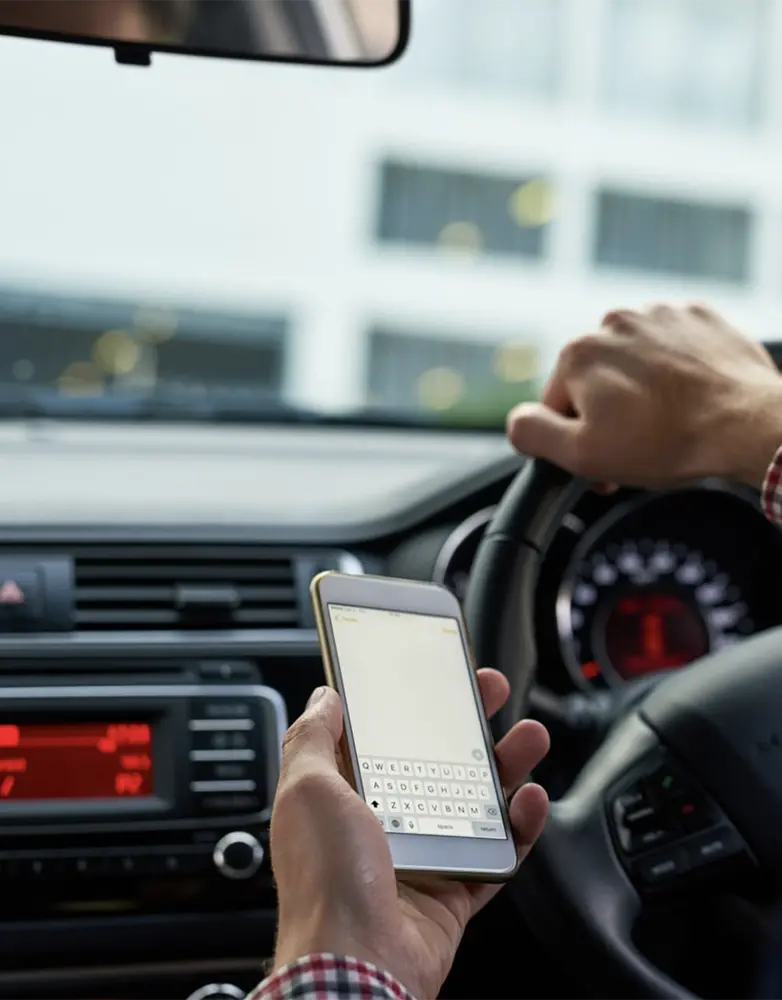
Distracted driving has become one of the leading causes of accidents in the United States, with smartphones playing a major role. Despite countless awareness campaigns and stricter laws, many drivers continue to check messages, scroll through social media, or take calls while behind the wheel. The question is not only what people are doing but why they can’t seem to resist the urge.
Understanding the psychology behind distracted driving is essential for reducing its risks. It is not just a matter of poor decision-making but often the result of deep-seated behavioral patterns and societal pressures. Victims of distracted driving accidents may face devastating consequences, and holding negligent drivers accountable often requires the support of an experienced Atlanta injury lawyer.
The Allure of Constant Connectivity
Modern society places immense value on being constantly connected. Text messages, app notifications, and emails create a sense of urgency that many drivers find hard to ignore. Psychologists refer to this as the “fear of missing out” (FOMO), which drives people to check their devices even in unsafe situations.
The addictive nature of smartphones makes resisting temptation even more difficult. The brain releases dopamine when we receive notifications, reinforcing the habit. Over time, this creates a cycle of compulsive checking that extends into moments when full attention should be on the road.
Multitasking Myths and Overconfidence
Many drivers believe they can successfully multitask, convincing themselves that a quick glance at a phone won’t make a difference. However, research shows that the human brain is not designed for true multitasking. Instead, it rapidly switches between tasks, reducing focus and reaction time.
This overconfidence can be especially dangerous. Drivers may underestimate how long their eyes leave the road or how much their attention drifts. Even a few seconds of distraction at highway speeds can cover the length of a football field, dramatically increasing the risk of accidents.
The Role of Habit Formation
Distracted driving is often less about conscious choice and more about habit. For many people, reaching for a phone has become second nature, triggered by boredom at a red light or the sound of a notification. These habits develop through repeated behavior until they feel automatic.
Breaking these habits requires conscious effort and, in some cases, outside intervention. Apps that block notifications while driving, stricter laws, and social campaigns can help retrain drivers to prioritize safety over convenience.
Social Pressures and Workplace Demands
Social and professional expectations also contribute to distracted driving. Many people feel pressure to respond immediately to texts, calls, or emails, especially if their jobs require constant availability. This pressure can override common sense, leading individuals to take risks they know are unsafe.
Peer influence also plays a role. If friends or colleagues frequently engage in distracted driving, it normalizes the behavior. Unfortunately, this creates a dangerous culture where unsafe habits are reinforced rather than discouraged.
Emotional States and Driving Behavior
Psychological research shows that emotions strongly influence driving habits. Stress, boredom, loneliness, or excitement can make drivers more likely to pick up their phones as a form of distraction or comfort. For example, someone stuck in traffic may scroll through messages to ease frustration, not realizing the increased danger.
Emotional vulnerability also impairs judgment. A driver experiencing anxiety or sadness may be more focused on conversations through their phone than on the road, creating a recipe for disaster. Courts often view these emotional factors as part of negligence when distracted driving leads to accidents.
The Illusion of Safety in “Quick Glances”
Drivers often justify phone use by claiming they only glance away for a second. However, studies show that even a two-second glance can significantly reduce reaction time. At higher speeds, this small lapse can mean the difference between avoiding an obstacle and causing a collision.
The illusion of control is powerful. Drivers may believe they can safely juggle both tasks, but evidence consistently shows otherwise. Education campaigns stress this reality, but the psychological bias toward overestimating one’s abilities remains a major obstacle.
The Consequences of Distracted Driving
Distracted driving is one of the leading causes of preventable accidents, and its effects can be devastating for both victims and drivers. The toll is not only physical but also emotional, financial, and legal, leaving lasting consequences. Common outcomes include:
- Severe physical injuries – Broken bones, spinal cord injuries, traumatic brain injuries, and other life-altering harm.
- Fatalities – In many cases, distracted driving leads to wrongful death, leaving families with profound loss.
- Emotional trauma – Victims and families often face grief, anxiety, or post-traumatic stress long after the crash.
- Legal consequences for drivers – At-fault drivers may face lawsuits, fines, license suspension, or even criminal charges.
- Financial burdens – Increased insurance premiums, property damage costs, and court fees add significant stress.
- Compensation for victims – Legal claims can provide recovery for medical expenses, lost wages, rehabilitation, and pain and suffering.
- Impact on future opportunities – Both victims and at-fault drivers may face lasting career, financial, and lifestyle disruptions.
Combating Distracted Driving Through Awareness and Accountability
Reducing distracted driving requires both individual responsibility and broader societal efforts. Drivers can set their phones to “do not disturb” mode, store them out of reach, or use apps designed to block notifications while driving. On a larger scale, lawmakers and safety advocates continue pushing for stricter regulations and stronger enforcement.
Ultimately, accountability plays a key role. Victims of distracted driving deserve justice, and holding negligent drivers responsible sends a message that unsafe habits will not be tolerated. With education, cultural change, and legal action, communities can work toward safer roads for everyone.