
The Quiet Signs Your Dog Is Uncomfortable, and What Actually Helps
Dogs are unhelpfully stoic. A dog in genuine discomfort will still greet you at the door, still eat dinner and still try to keep up on the walk

Dogs are unhelpfully stoic. A dog in genuine discomfort will still greet you at the door, still eat dinner and still try to keep up on the walk, which is exactly why so much canine pain goes unnoticed for months.
What tends to show up first is not limping. It is a subtle shift in the small things: how they get up, where they choose to lie, how often they wake in the night.
Those changes matter to you as well as to them. Anyone who has lain awake listening to a dog circle and resettle at three in the morning knows that a dog's comfort and their owner's rest are not separate problems.
Key Takeaways
- Early discomfort in dogs shows up as changed behaviour rather than obvious pain, so watch how they rise, settle and move rather than waiting for a limp.
- Where and how a dog sleeps is a genuinely underrated variable, particularly for older or larger dogs.
- Joint supplements are an adjunct to veterinary care, not a substitute for a diagnosis.
- Persistent itching is a medical problem with many possible causes, and it needs identifying before it is treated.
- Prescription medicines for dogs require a veterinary consultation and a valid prescription, wherever you buy them.
Start With Where They Sleep
Dogs sleep a great deal, often twelve to fourteen hours across a day. Whatever surface they spend that time on is doing more for their body than any twenty-minute intervention you might add to the routine.
A dog resting on a hard floor or a thin, flattened bed is carrying their own weight through hips, elbows and shoulders for hours at a stretch. In a young, light dog that is tolerable. In an older or heavier one it becomes a source of daily stiffness.
The clue is usually in their behaviour rather than their expression. Frequent repositioning, abandoning the bed for a cooler floor or hesitating before lying down all point to a surface that is not working.
Look for supportive high-density or memory foam that holds its shape under load rather than a soft filling that bottoms out. A dog bed with a removable, machine-washable cover is also worth prioritising, because a bed you can keep clean is a bed that stays in use for years rather than months.
Size honestly. Measure your dog stretched out on their side and add a margin, because a dog who sleeps with their hindquarters hanging off the edge every night is telling you something.
Learning to Read Stiffness
Osteoarthritis is common in dogs and frequently underdiagnosed, partly because owners reasonably interpret the early signs as ordinary ageing.
The tells are specific. Slowness to rise after a nap, a reluctance to jump into the car or onto the sofa, taking stairs one at a time or lagging on the back half of a walk they used to lead.
Behavioural changes count too. A dog who has become less tolerant of being handled around the hips, or who has quietly stopped greeting visitors at the door, may be avoiding movement rather than losing interest.
Weight is the single biggest lever you control. Carrying extra body condition meaningfully increases load through already compromised joints, and lean dogs consistently do better on mobility over the long run.
Exercise needs rethinking rather than reducing. Two shorter walks usually suit a stiff dog better than one long one, and consistent daily movement beats a sedentary week followed by a big weekend outing.
Small changes at home help more than people expect. A ramp into the car, a non-slip runner across polished floors and raised food bowls all reduce the number of awkward movements a sore dog has to make each day.
Warmth is worth attending to as well. Stiffness is usually worse first thing and in cold weather, so a draught-free sleeping spot often does more for a creaky dog than an extra supplement.
Alongside veterinary treatment, many owners add a joint supplement. Australian owners can buy 4CYTE Epiitalis Forte gel for dogs from veterinary suppliers, a once-daily oral gel from Interpath built around Epiitalis, a patented plant-derived oil extract, and dosed by bodyweight with an included syringe.
One practical detail makes it useful for a specific group of dogs. The Forte gel leaves out the marine-based ingredients found in the brand's canine granules, so it suits dogs who react to shellfish-derived products, and it is formulated for use from six months of age.
Treat any supplement as one part of a plan rather than the plan. Controlled exercise, weight management and a proper veterinary assessment do the heavy lifting, and a supplement supports that work rather than replacing it.
When the Itching Will Not Stop
Persistent scratching is not a cosmetic issue. A dog who licks, chews and scratches through the night is losing sleep, damaging their skin barrier and often developing secondary infections on top of the original problem.
It is also one of the most common reasons dogs are seen by vets, and one of the most frequently self-treated at home with things that will not touch the cause.
The first job is identifying what is driving it. Fleas remain the most common culprit and are easily missed, particularly in dogs with a flea-bite hypersensitivity where very few fleas cause a lot of misery.
Beyond parasites, the usual suspects are environmental allergy, food-responsive skin disease and secondary bacterial or yeast infection. These need distinguishing, because the treatment for each is different and none of them respond to a change of shampoo.
Where a vet diagnoses allergic or atopic dermatitis, one commonly prescribed option is oclacitinib, sold as Apoquel, which targets specific signalling pathways involved in itch and inflammation rather than suppressing the immune system broadly the way steroids do.
It is a prescription-only medicine for good reason. It is licensed for dogs at least twelve months old, can cause vomiting, diarrhoea or reduced appetite in some dogs, and because it modulates immune function it may increase susceptibility to infection or affect existing neoplastic conditions, which is why veterinary oversight and monitoring matter.
In Australia, owners can Buy Apoquel for Dogs Online from registered pet pharmacies that verify a valid script before dispensing, which is often more convenient than a repeat clinic visit for a dog already established on long-term treatment. Readers elsewhere should check their own country's rules, since veterinary prescription requirements differ.

What Actually Warrants a Vet Visit
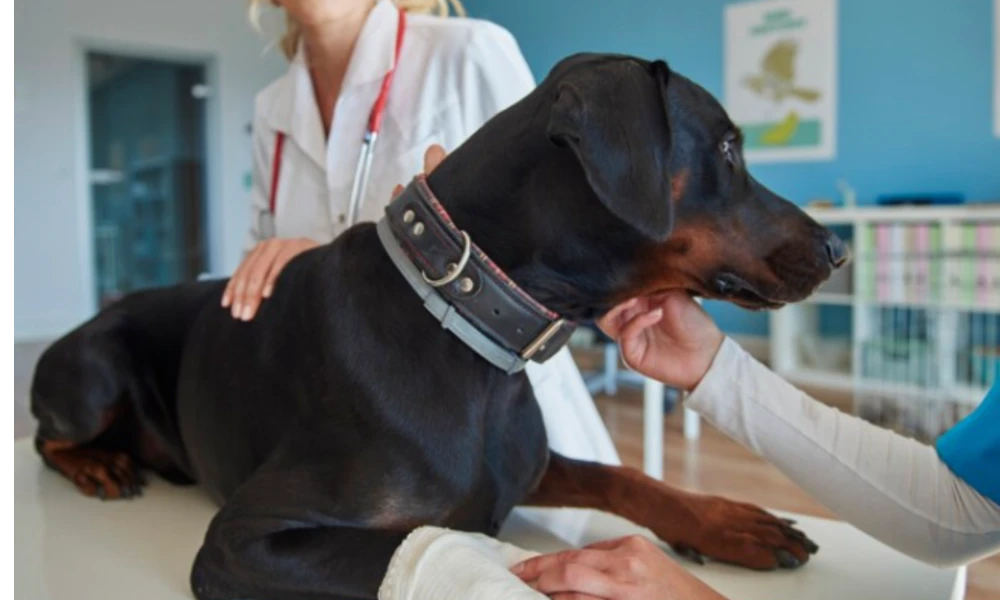
Some things should not wait. Sudden non-weight-bearing lameness, a dog who cries out when touched or a rapid change in mobility over days rather than months all need same-week attention.
The same goes for skin that is broken, weeping or smelly. Hair loss in defined patches needs checking too, since both usually indicate a secondary infection that will not resolve on its own.
Anything that has been getting slowly worse for six months deserves a conversation too, even if it feels too minor to mention. Early osteoarthritis is far easier to manage than advanced disease.
Keep a short written record before you go. Dates, what you noticed and what makes it better or worse will give your vet more to work with than trying to recall it in the consulting room.
Video is even more useful. A ten-second clip of your dog rising from their bed or walking away from the camera shows a vet things that are almost impossible to describe accurately, and dogs notoriously present better in the consulting room than at home.
Bring the full list of what your dog is already taking, supplements included. Interactions and duplications are easy to miss when products come from several different places.
Ask about the plan rather than just the prescription. Knowing what improvement looks like, when to review and what to do if it does not work turns a single appointment into something you can actually follow.
The Wider Picture
There is a reciprocal quality to all of this that is easy to overlook. Research consistently links pet ownership to lower stress and better routine in humans, and the same body of evidence on caring for pets makes clear that the relationship runs both ways.
A dog who sleeps well and moves comfortably is a dog who walks further, engages more and disrupts the household less. You get the benefit of that as directly as they do.
None of this requires a dramatic intervention. A properly supportive place to sleep, an honest look at body condition and a willingness to raise the small changes with a vet before they become large ones will cover most of what matters.
This article is general information and not veterinary advice. Discuss your dog's symptoms, diagnosis and any medication or supplement with a qualified veterinary surgeon.
Frequently Asked Questions
How can I tell if my dog is in pain rather than just getting older? Look at function rather than expression. Slowness to rise, reluctance to jump or take stairs, changed sleeping position and reduced tolerance of handling are more reliable indicators than whimpering, which many dogs never do. Ageing itself is not painful, so a change in how your dog moves is worth investigating.
Do joint supplements actually work? Evidence varies by product and ingredient, and results differ between individual dogs. They are best regarded as a supportive measure alongside weight management, appropriate exercise and any treatment your vet recommends, rather than a standalone solution. Discuss any supplement with your vet, especially if your dog is on other medication.
Can I buy dog medication online without seeing a vet? Not for prescription medicines. Legitimate pharmacies require a valid prescription from a veterinary surgeon who has examined your dog, and any seller willing to skip that step should be avoided. Rules vary by country, so check what applies where you live.
Why does my dog scratch when I cannot find any fleas? Flea-allergic dogs can react dramatically to very few fleas, so absence of visible fleas does not rule them out. Environmental allergies, food-responsive skin disease and secondary infections are also common. A vet can work through these systematically rather than leaving you guessing.
Does a better bed really make a difference? For older, larger or arthritic dogs, often yes. Dogs spend most of the day resting, and a supportive surface reduces the pressure loading through joints during those hours. It will not treat underlying disease, but it removes an avoidable source of daily discomfort.
Filed underArthritis, Weight management, Sleep