Most people think about style as a way to look good for others. It is much more than a visual choice. The way fabrics feel against the skin can change a person’s entire day. Wearing the right items helps a person feel prepared and calm. This connection between clothing and mood is a major part of modern health discussions. People are starting to realize that what they wear influences their mental state. Simple changes in a wardrobe can lead to a more relaxed lifestyle, which is good for everyone.
The Psychological Impact of Daily Attire
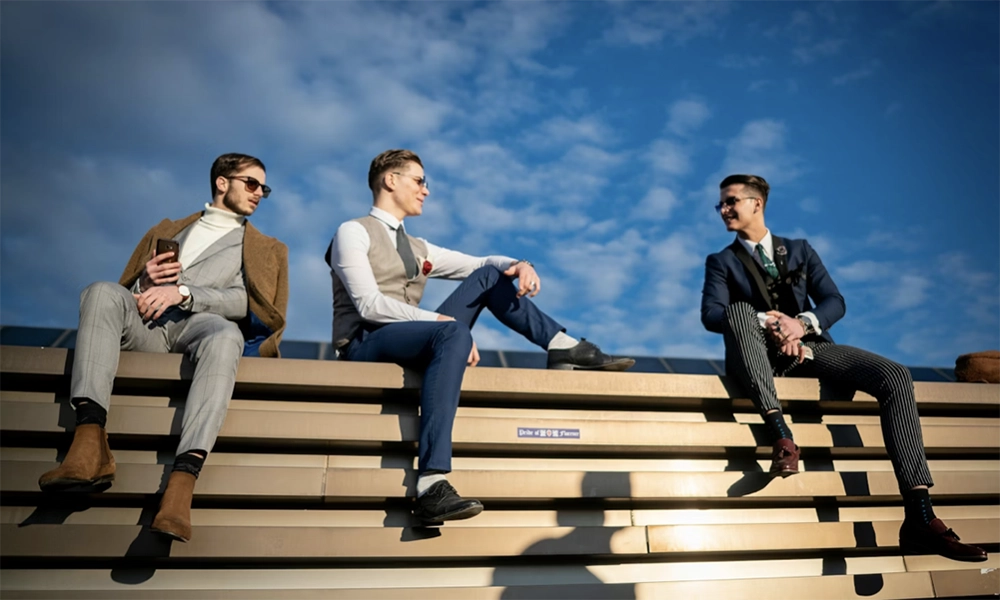
Clothing acts as a way to control how a person feels in different social environments. One research paper explained that attire is often used as a psychological tool to manage personality and mood. Individuals select specific pieces to feel less vulnerable when meeting new people. This choice helps regulate emotions throughout the hours of the day.
Picking out an outfit is a form of self-care. It allows a person to set the tone for their morning. If a shirt feels itchy or tight, it can ruin a good mood. Soft fabrics and a good fit provide a sense of security. This feeling of safety allows for better focus on work tasks – a goal for many professionals.
Finding Quality Pieces for Your Wardrobe
Shopping for high-quality items is easier than it used to be. Many people browse an online menswear store to find pieces that fit their personal aesthetic. These shops offer a variety of styles that allow for better movement and daily ease. Having a wardrobe that supports your lifestyle makes every task feel lighter.
Selecting the right fit is a skill that takes time to learn. It involves understanding how different cuts interact with your body. Once you find a reliable shop, the process becomes much faster. You can build a collection of staples that work for any occasion. This reduces the stress of getting ready in the morning.
Ergonomic Design in Modern Fashion
Designers are focusing on how clothes move with the human body. A 2024 study of 805 products showed that ergonomic and adjustable structures improved safety and comfort. These designs allow for more independence in daily activities. Clothes that fit the natural shape of the body reduce the physical strain of sitting or walking.
Ergonomic fashion is not just for athletes anymore. It is becoming common in business and casual wear. High-tech fabrics now offer stretch without losing their shape. This means a person can look sharp and stay comfortable at the same time. Modern clothing is adapting to the needs of active people – providing both style and function.
How Restrictive Clothing Affects the Brain
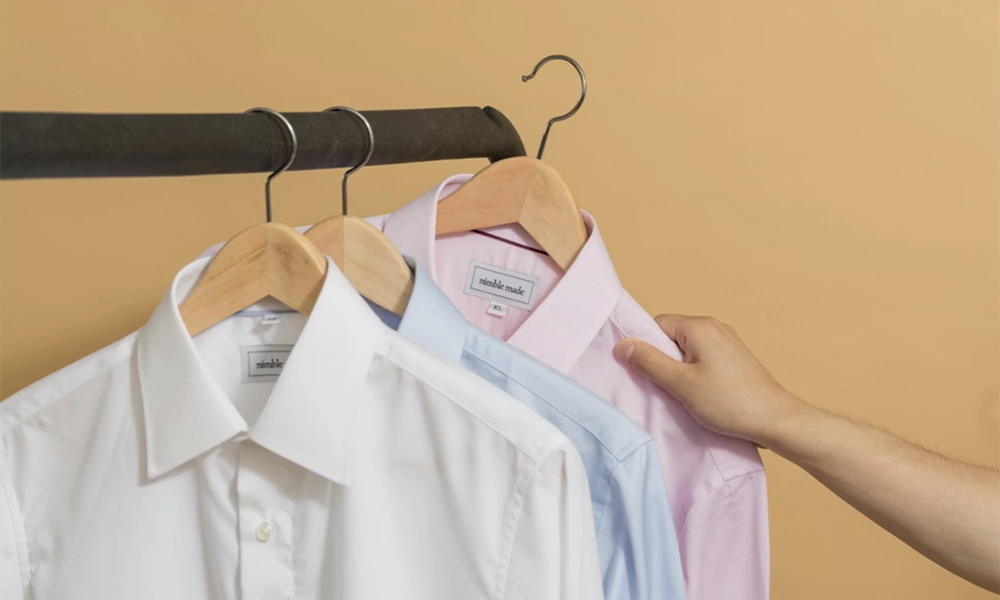
Skinny clothing does more than just pinch the skin. A recent blog post mentioned that the brain views physical restriction as a constant signal of discomfort. This can lead to small levels of anxiety that persist throughout the afternoon. Choosing loose or stretchy materials helps keep the mind focused on work rather than clothing.
The body sends signals to the brain when it feels trapped. These signals are subtle, yet they drain mental energy. Over a long day, this can lead to fatigue and irritability. Swapping a stiff collar for a softer option can make a big difference. It is a simple way to protect your mental health.
The Drive for Self-Comfort
People are making conscious choices to feel better in their clothes. A survey of young adults found that 83.2% of participants chose their outfits based on self-comfort. This shift shows that looking stylish is no longer the only goal for shoppers. Personal well-being is now a primary factor when picking out a morning outfit.
There are many ways to prioritize comfort without looking sloppy:
- Choose items with a bit of stretch in the waistband.
- Look for shirts that offer plenty of room in the shoulders.
- Pick shoes that provide support for all-day walking.
- Select layers that are easy to remove as the temperature changes.
This list shows how easy it is to adjust a wardrobe – and how much it helps. Small changes can lead to a big boost in confidence. Feeling good in your skin starts with what you put on it.
Natural Materials and Stress Reduction
The type of fiber in a garment changes how the body handles heat. An article on accessible footwear noted that cotton and bamboo can help lower stress by regulating temperature. These natural fabrics keep the skin from getting irritated during long hours. Staying cool and dry helps maintain a steady mood even during busy schedules.
Synthetic fabrics can sometimes trap heat and sweat. This leads to physical discomfort that distracts the wearer. Cotton allows the skin to breathe and keeps the body at a steady state. It is a reliable choice for those with sensitive skin. Natural fibers are a classic part of a wellness-focused wardrobe.
It is a simple way to improve the quality of life, one outfit at a time. Taking care of your wardrobe is a way of taking care of yourself. This practice leads to a more confident and balanced version of you.
- About the Author
- Latest Posts

Our Editorial Team are writers and experts in their field. Their views and opinions may not always be the views of Wellbeing Magazine. If you are under the direction of medical supervision please speak to your doctor or therapist before following the advice and recommendations in these articles.