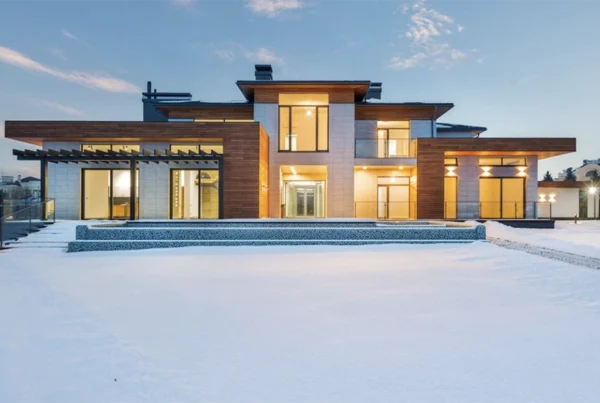
Home heating is a major part of staying healthy during the colder months. Many people think about warmth only in terms of comfort. It impacts the body in ways that are not always obvious. A good heating setup helps prevent illness and keeps the mind at ease.
Staying warm allows the body to focus energy on other tasks. It makes a big difference in how people feel when they wake up each morning.
Understanding The Link Between Heat And Health
The way a house is heated changes the environment for the heart and lungs. Cold air makes the body work harder to keep a safe internal temperature. Stable heat prevents these spikes in physical demand. It allows for better sleep and more energy throughout the day.
Keeping a home warm helps with joint pain and muscle stiffness. Many find that their mobility is better when the air is not freezing. Muscles stay loose, and circulation stays strong in a heated room. A warm space is a safer space for everyone.
Choosing The Best Heating System For Your Space
Every home has different needs when it comes to staying warm. Finding boiler installation in Minneapolis, Apple Valley, or somewhere local to you is a great way to start. A professional can help pick a system that fits the size of the house.
This choice affects how well the heat spreads through the rooms. A good system runs quietly and without constant breakdowns.
Peace of mind is a big part of wellness during a long winter. Knowing the heater will work through a storm reduces stress for the whole family. It is worth the time to find a local expert who understands the regional weather.
Maintaining Ideal Temperatures For Wellness
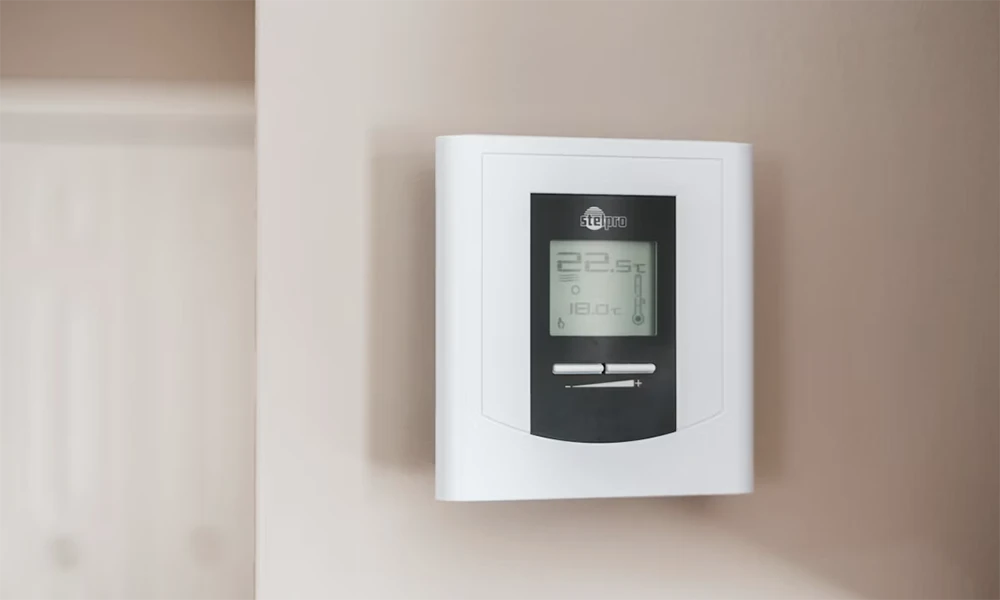
Finding the right balance on the thermostat is a smart health move. Research from a health organization in Wales found that temperatures of 18°C or below are linked to negative effects on the heart.
Keeping the home above this point helps avoid those risks. It is a simple way to protect the lungs from the stress of cold air.
Consistency is the main goal for a healthy indoor climate. Drastic temperature changes can shock the system and lead to discomfort.
Setting a steady heat level helps the body stay in a state of rest. It reduces the chance of catching a chill while moving between rooms. A reliable heater makes this easy to manage.
Modern Efficiency And Home Comfort
Old heating units often use far too much energy for the warmth they provide. A report from the Department of Energy points out that modern systems can reach efficiency levels of 98.5 percent.
Newer models provide a much more even flow of air. They do not leave cold spots in the corners of a room. High efficiency leads to lower monthly costs for the household.
Modern units are better for the planet and the home budget. They use advanced sensors to monitor the air and adjust the output. The upgrade pays for itself through energy savings over a few years.
Protecting Indoor Air Quality
The quality of the air inside a home is just as important as the temperature. An article from the World Economic Forum notes that indoor air pollution is linked to 3.2 million premature deaths every year. Heaters that are not cleaned can spread dust and allergens.
Good ventilation helps keep the air fresh while the heat is on. It removes stale air and brings in a managed supply of outdoor air. Many modern systems include air purification features to help with this. It is a key step in creating a healthy living space.
Cleaning or replacing filters is a task that should not be skipped. A clogged filter makes the heater work harder and lowers air quality.
It can lead to a buildup of particles that irritate the lungs. Taking care of the system protects the people living inside it. Fresh, warm air supports a healthy lifestyle.
Practical Tips For A Warmer Home
There are many ways to help a heater do its job without spending more money. Simple changes to the house keep the warmth from escaping through the walls.
These small steps make a big difference in the overall feel of the home. They help maintain a healthy temperature even on the coldest nights.
- Check windows for drafts and use weather stripping to seal them.
- Open curtains during the day to let the sun provide natural heat.
- Close the doors to rooms that are not being used.
- Make sure furniture is not blocking any heat vents or radiators.
- Use rugs on hard floors to provide an extra layer of insulation.
Insulation in the attic and walls is another way to keep the heat in. It acts as a blanket for the entire house. When the heat stays inside, the system does not have to run as often.
Taking care of home heating is a major part of a wellness routine. A warm house supports the heart, lungs, and mind.
It creates a space where the body can rest and recover. Investing in a good system and keeping it clean pays off in many ways. A healthy home is a warm home, and that is a goal worth reaching.
- About the Author
- Latest Posts

Our Editorial Team are writers and experts in their field. Their views and opinions may not always be the views of Wellbeing Magazine. If you are under the direction of medical supervision please speak to your doctor or therapist before following the advice and recommendations in these articles.