Lauren McCourt on trauma, ritual and the making of The Wild Hart Year
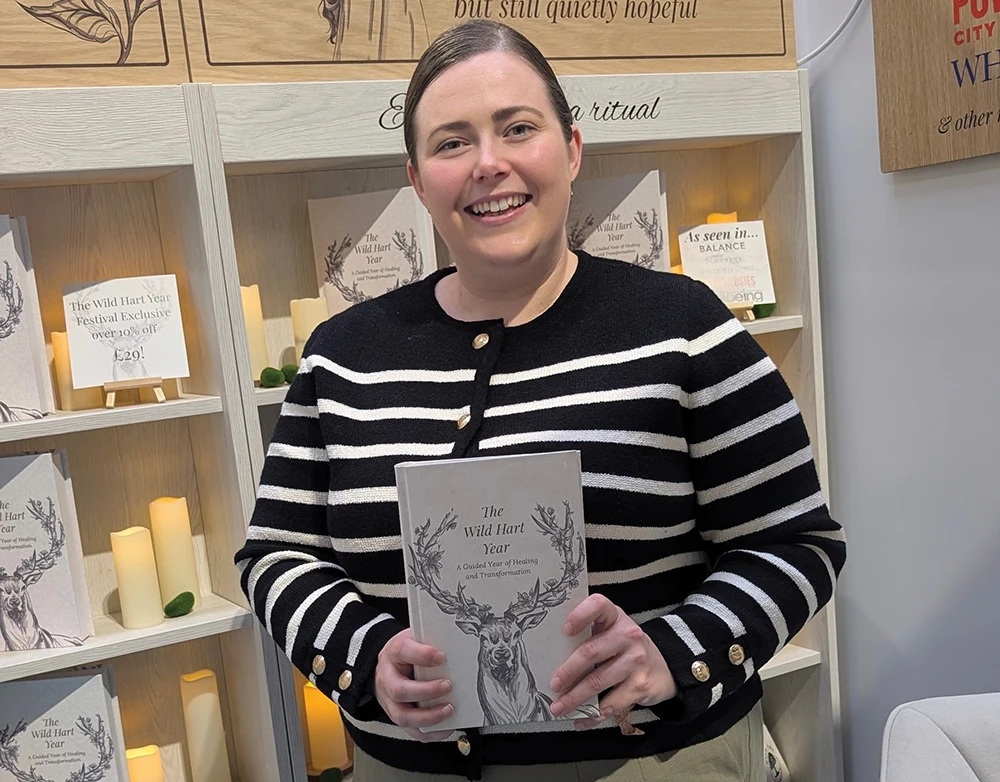
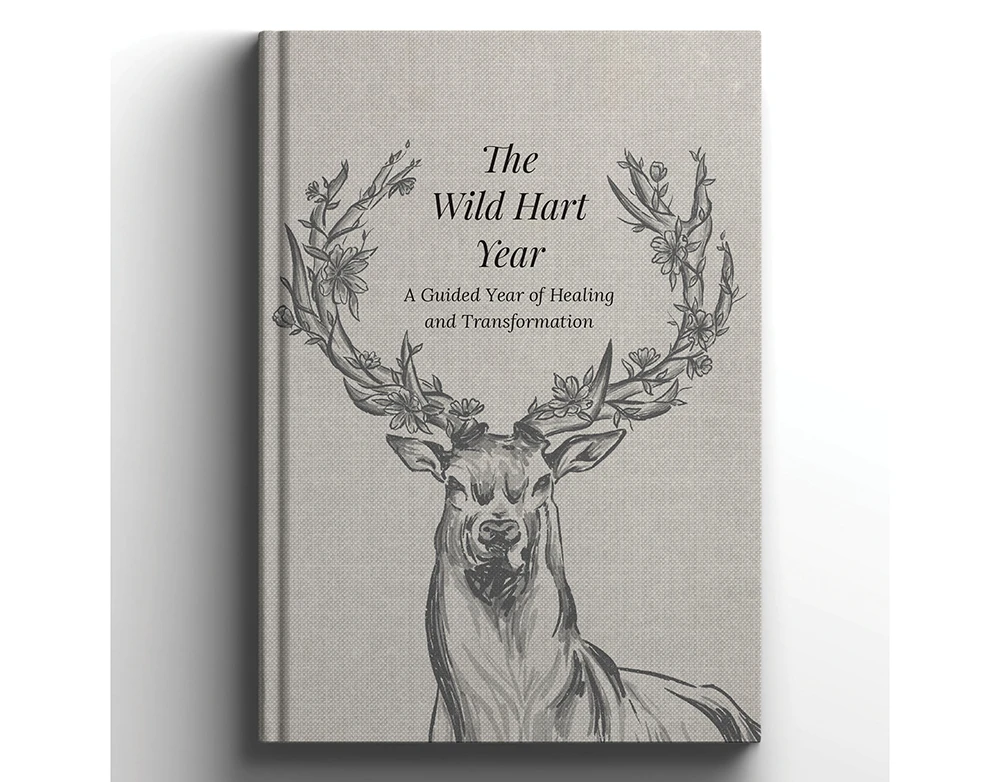
Lauren McCourt, founder of Wild Hart Rituals and author of The Wild Hart Year, did not set out to create a product. She set out to survive — and in doing so, discovered a gentler way back to herself.
The turning point came with the birth of her son. What should have been a moment of profound joy was layered with physical trauma, followed by an emotional reckoning she could no longer postpone.
“I remember thinking, just hold it together for now,” she reflects. “You can fall apart later.”
Later came — and with it, a darkness she could no longer ignore.
Like many women, Lauren found herself trying to maintain an image of capability and composure while quietly unravelling. Eventually, she reached a crossroads: leave her life behind entirely, or seek help. She chose therapy — a decision that would become the foundation of everything that followed.
When the Body Speaks Louder Than the Mind
Through therapy, Lauren began to unpack patterns formed long before motherhood: how she coped, how she suppressed, how she carried. It was her therapist who first suggested journaling — a practice Lauren had never embraced before.
“I went looking for a journal and felt completely disconnected,” she says. “Everything felt repetitive, prescriptive — or subtly shaming if you couldn’t keep up.”
Instead, Lauren began free-writing, allowing words to emerge without structure or expectation. At the same time, her healing journey expanded beyond talk therapy. Yoga — particularly trauma-informed sessions — became a turning point, not just emotionally, but physically.
For years, Lauren had lived with chronic pain. She had tried physiotherapy, chiropractic care, medical interventions — all with limited relief. It was only through embodied practices that something shifted.
“That was the biggest surprise for me,” she says. “Realising my body wasn’t broken — it was communicating.”
Raised in a corporate, logic-driven environment, Lauren had believed problems were meant to be fixed, preferably quickly. What she discovered instead was that healing is relational, cyclical and deeply personal.
Her body wasn’t failing her. It was asking her to feel safe enough to let go.
Creating What Didn’t Exist
As Lauren explored sound therapy, breathwork, essential oils, seasonal rituals and nervous-system regulation, she noticed something striking: there was no single place that gently held all of this together.
“You either had journals that were too shallow, or practices that felt overwhelming,” she explains. “And when you’re already carrying trauma, the last thing you need is more pressure.”
The Wild Hart Year emerged from this gap — not as a solution, but as a companion.
Designed as a 12-month guided journal, it weaves therapy-informed prompts with seasonal and lunar rhythms, nervous-system practices and reflective rituals. Crucially, it is undated.
“I hated feeling behind,” Lauren admits. “Missing a day would spiral into self-criticism. So this journal meets you where you are.”
Readers can move intuitively through the pages, responding to what feels most relevant — whether that’s boundaries, grief, motherhood or rest. Some chapters are deeply personal; others are shaped by the stories Lauren encountered along the way — women quietly holding loss, overwhelm and unanswered questions.
“This isn’t about finishing the year ‘healed’,” she says. “It’s about understanding yourself enough to go deeper.”
Illustrating Belonging
Visually, the journal mirrors its ethos. The illustrations — created by Lauren’s sister-in-law — depict women of different ages, body types and identities with softness and realism.
“There’s something in them that feels honest,” Lauren says. “Everyone is welcome.”
This sense of inclusivity extends to the journal’s use. While written primarily from a female perspective, its themes — emotional regulation, grief, self-connection — are universal.
“I can only speak from my own journey,” Lauren acknowledges. “But I hope it opens doors rather than closes them.”
From Personal Practice to Collective Space
Since its release, The Wild Hart Year has found its way into major book retailers and independent bookshops alike — often through personal connection rather than marketing strategy.
Lauren has also developed a facilitator kit for yoga teachers, retreat leaders and studios — responding to a familiar frustration: journaling offered as an afterthought, without time or guidance.
“Writing is one of the most accessible healing tools we have,” she says. “But we’re rarely taught how to stay with it.”
Alongside ritual kits, a private newsletter and a growing community circle, Lauren is quietly laying the foundations for what comes next — including a second book focused on integration and maintenance.
“There’s always more to learn,” she reflects. “But only if it resonates. I won’t create from anywhere else.”
A Voice Returning
Perhaps the most poignant thread running through Lauren’s journey is the reclaiming of her own voice — something she hadn’t realised she’d lost.
“I’m still working on that,” she says, smiling. “At my first festival, my voice disappeared within ten minutes.”
It’s a fitting metaphor for a woman learning not just to hold space for others, but to take up space herself — slowly, intentionally, without force.
In a culture obsessed with quick fixes and performative healing, The Wild Hart Year offers something rarer: permission to move at the pace of the nervous system, to listen to the body’s whispers, and to trust that healing — like nature — unfolds in its own time.
DISCOVER: www.wildhartrituals.com