When Stress Shows Up on Your Skin
Your skin can reveal more about your internal health than you might expect. While most people associate anxiety with emotional symptoms, it can also show up physically, especially on your skin. Breakouts, irritation, and even hair changes can sometimes be tied to stress levels.
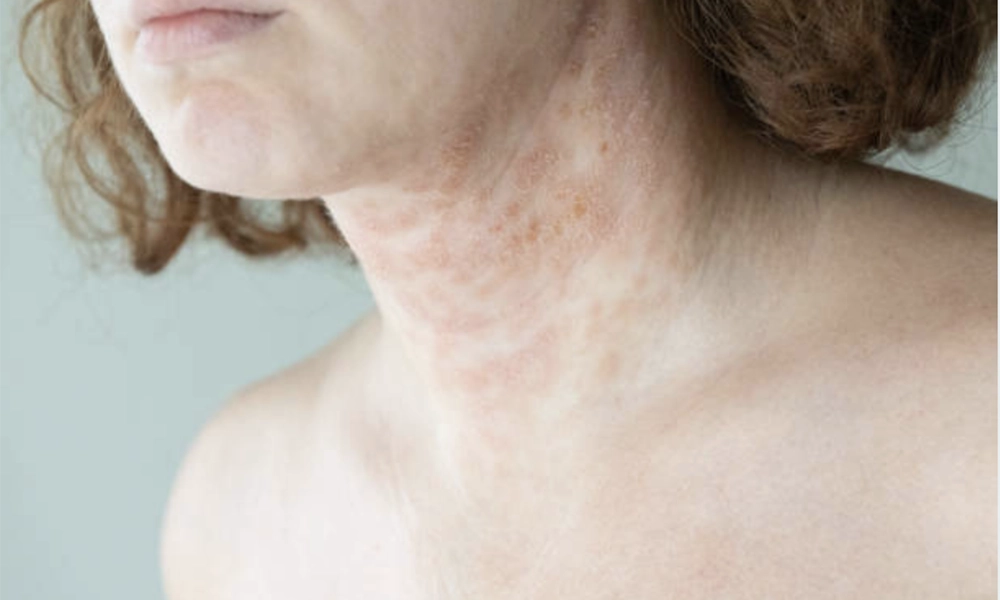
Understanding the connection between your mind and skin is key to identifying the root cause of persistent skin concerns. Once you recognize the patterns, you can take steps toward both better skin and better overall well-being.
Why Anxiety Can Affect Your Skin
When your body experiences anxiety, it enters a “fight or flight” response. This triggers the release of stress hormones like cortisol, which can affect your skin in several ways. Over time, this can lead to inflammation, oil imbalance, and a weakened skin barrier.
These internal changes often result in visible skin issues. That’s why some skin conditions seem to flare up during stressful times, even if your skincare routine hasn’t changed.
1. Breakouts That Appear During Stressful Periods
If you notice acne appearing during exams, deadlines, or emotionally stressful situations, anxiety could be a contributing factor. Stress hormones can increase oil production, which clogs pores and leads to breakouts.
Unlike typical acne, these flare-ups often appear suddenly and may be harder to control until stress levels decrease.
2. Skin Conditions That Keep Coming Back
Chronic skin conditions such as eczema, psoriasis, and rosacea are often influenced by emotional health. Anxiety can trigger inflammation in the body, which may cause these conditions to worsen or return after periods of improvement.
If your skin seems unpredictable and tied to your stress levels, it may be worth considering the role anxiety plays in your symptoms.
3. Skin That Feels More Sensitive Than Usual
Anxiety can make your skin more reactive. You might notice redness, itching, or burning sensations when using products that were previously well-tolerated.
This increased sensitivity is often due to your nervous system being in a heightened state. As a result, your skin becomes more vulnerable to external irritants.
4. Understanding the Broader Impact of Anxiety
Anxiety doesn’t just affect your mood; it can influence your entire body. The Physical Effects of Anxiety may include fatigue, muscle tension, digestive issues, and skin changes. These effects are interconnected, meaning that when your body is under stress, your skin often reflects that internal imbalance.
Recognizing these broader symptoms can help you connect the dots between emotional stress and skin concerns. When anxiety is managed properly, many of these physical symptoms can improve as well.
5. Unexplained Rashes or Hives
Stress-induced hives or rashes can appear suddenly and may come and go without a clear cause. Anxiety can trigger the release of histamines in the body, leading to these temporary skin reactions.
While they may not last long, recurring episodes could indicate that your body is responding to emotional stress.
6. Changes in Skin Balance and Texture
Your skin’s natural balance can be disrupted by anxiety. Some people experience increased oiliness, while others struggle with dryness. This imbalance can lead to a dull, uneven, or irritated complexion.
Over time, stress can also weaken the skin’s protective barrier, making it harder for your skin to retain moisture and defend against irritants.
7. Hair Loss or Slower Healing
Anxiety can also affect your hair and skin’s ability to heal. Conditions like telogen effluvium may cause increased hair shedding after stressful events. At the same time, cuts, blemishes, and wounds may take longer to heal.
This happens because stress hormones can slow down the body’s natural repair processes, delaying recovery and regeneration.
When It’s Time to Get Professional Help
If your skin concerns are persistent or affecting your confidence and comfort, it’s important to seek professional advice. A dermatologist can help identify whether your symptoms are linked to anxiety or another underlying condition.
In some cases, addressing both emotional and physical health is necessary for lasting results. Treating the root cause of stress can significantly improve your skin over time.
Effective Skin Care and Treatment Options
Managing anxiety-related skin issues often requires a combination of approaches. Professional care can play a key role in restoring skin health.
For those seeking expert support, services like Skin Treatments Winnipeg | Simply Radiant Aesthetics offer tailored solutions designed to improve skin concerns while supporting overall skin health. Treatments may include facials, targeted therapies, and personalized skincare plans that address specific conditions caused or worsened by stress.
At the same time, adopting a gentle skincare routine at home is essential. Choose products that support your skin barrier, avoid harsh ingredients, and focus on hydration and nourishment.
Supporting Your Skin by Managing Anxiety
Improving your skin often starts with managing stress. Incorporating healthy habits into your routine can make a noticeable difference in both your mental and physical well-being.
Regular exercise, proper sleep, and a balanced diet can help regulate your body’s stress response. Additionally, relaxation techniques like deep breathing, meditation, or therapy can help reduce anxiety levels over time.
When your mind is calmer, your body can function more efficiently, including your skin.
Bringing It All Together
Your skin is often a reflection of what’s happening inside your body. If you’ve been dealing with unexplained skin issues, anxiety could be playing a role.
By paying attention to these signs and taking a holistic approach to care, you can support both your mental health and your skin. Combining professional skin treatments with stress management techniques offers the best path toward long-term improvement.
Healthy skin isn’t just about what you apply externally; it’s also about how you care for your mind and body from within.
- About the Author
- Latest Posts

Our Editorial Team are writers and experts in their field. Their views and opinions may not always be the views of Wellbeing Magazine. If you are under the direction of medical supervision please speak to your doctor or therapist before following the advice and recommendations in these articles.