Your home is more than just a place to sleep and eat—it’s your personal sanctuary, a reflection of your personality, and the backdrop for your most important memories. Whether you’ve just moved into a new space or you’re ready to breathe fresh life into rooms that have remained unchanged for years, transforming your home can feel both exciting and overwhelming. The key lies in understanding that great design isn’t about following every trend or spending enormous amounts of money. Instead, it’s about creating spaces that genuinely work for your lifestyle while expressing who you are.
The most successful home transformations happen when you approach each room with intention, considering how you actually live and what makes you feel most comfortable. It’s about finding the perfect balance between functionality and beauty, between personal expression and timeless appeal. When done thoughtfully, a home transformation can improve not just how your space looks, but how it feels to live in it every day.
Every element in your home—from the largest furniture pieces to the smallest decorative details—contributes to the overall atmosphere you create. Understanding how these elements work together, and knowing when and how to make strategic changes, can help you create a home that truly reflects your vision while serving your practical needs.
Understanding Your Space: The Foundation of Great Design
Before diving into specific design elements, it’s crucial to truly understand the space you’re working with. This means looking beyond surface-level aesthetics to consider factors like natural light patterns, traffic flow, architectural features, and the existing structural elements that will influence your design decisions.
Start by observing how you and your family actually use each room throughout different times of day and seasons. Notice where natural light falls in the morning versus evening, which areas feel cramped or underutilized, and what aspects of your current setup work well versus what frustrates you daily. This observational period will reveal insights that purely aesthetic considerations might miss.
Consider the architectural bones of your home—the elements you can’t or don’t want to change. High ceilings, large windows, interesting moldings, or unique structural features can become focal points that inform your entire design strategy. Similarly, challenging aspects like awkward room shapes or limited natural light can be addressed through clever design choices rather than expensive structural modifications.
The relationship between different rooms also matters significantly. Homes feel most cohesive when there’s a logical flow between spaces, whether through color palettes, design styles, or repeated elements that create visual continuity. This doesn’t mean every room should look identical, but rather that they should feel like part of the same thoughtful vision.
Understanding your space also means being realistic about your budget and timeline. The most successful transformations often happen in phases, allowing you to live with changes and understand what works before making additional investments. This approach also spreads costs over time and reduces the overwhelming feeling that can come with trying to change everything at once.
The Power of Window Treatments: Controlling Light and Privacy
One of the most impactful yet often overlooked elements in home design is window treatments. The right window coverings can dramatically alter a room’s appearance, functionality, and atmosphere while providing essential benefits like light control, privacy, and energy efficiency.
Windows are essentially the eyes of your home—they frame your view of the outside world while allowing natural light to shape your interior spaces. How you dress these windows significantly impacts both the practical usability of your rooms and their aesthetic appeal. The challenge lies in finding solutions that balance multiple needs: maximizing natural light when desired, ensuring privacy when needed, complementing your design style, and providing flexibility for different times of day and seasons.
Modern window treatment options offer unprecedented versatility in addressing these various needs. Unlike heavy drapes that dominated homes in previous decades, today’s options can provide sophisticated light control while maintaining clean, contemporary aesthetics that work with virtually any design style.
When you’re ready to buy venetian blinds, you’re investing in one of the most versatile window treatment solutions available. Venetian blinds offer precise light control through adjustable slats, allowing you to direct natural light exactly where you want it while maintaining privacy. They work equally well in modern minimalist spaces and traditional room settings, and their horizontal lines can actually make windows appear larger and rooms feel more spacious.
The beauty of quality venetian blinds lies in their functionality combined with timeless appeal. Unlike trendy window treatments that might look dated in a few years, well-chosen venetian blinds maintain their relevance across different design eras. They’re particularly valuable in rooms where you need flexibility—like bedrooms where you might want complete darkness for sleeping or home offices where glare control is essential for computer work.
Consider how different slat materials and colors can contribute to your overall design scheme. Wooden slats add warmth and texture, metal options provide sleek contemporary appeal, and various finishes can complement existing color palettes or create subtle contrast that adds visual interest.

Creating Cohesive Bedroom Sanctuaries
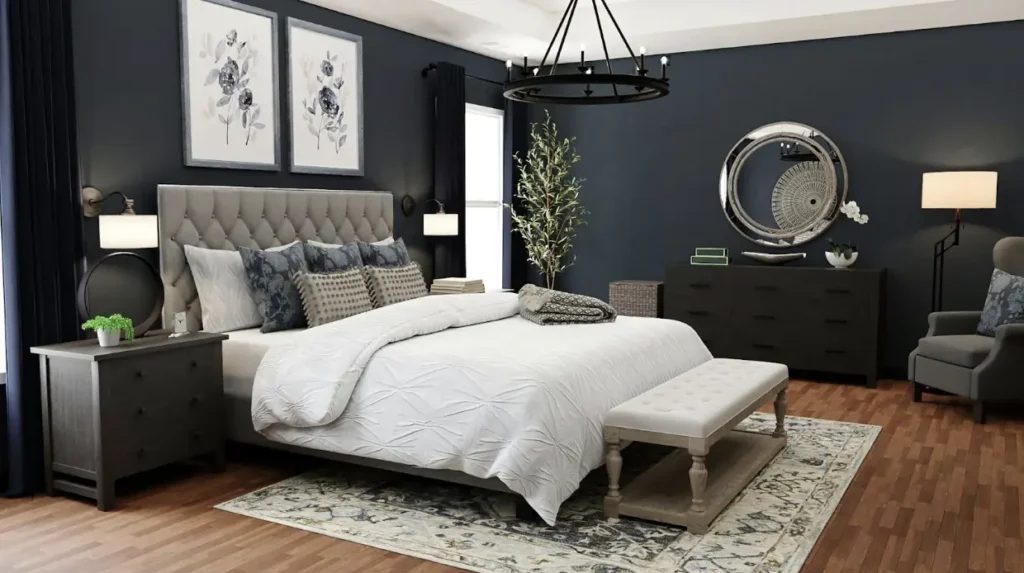
The bedroom holds unique importance in home design because it’s where we begin and end each day. Unlike living spaces that need to accommodate entertaining and various activities, bedrooms should prioritize rest, relaxation, and personal comfort. Creating a bedroom that truly feels like a sanctuary requires careful attention to elements that promote both physical comfort and emotional well-being.
Successful bedroom design starts with understanding that this space needs to serve multiple functions while maintaining a sense of calm. Beyond sleeping, bedrooms often accommodate dressing, reading, relaxing, and sometimes working. The challenge is creating a space that handles these various activities without feeling cluttered or chaotic.
Color psychology plays a particularly important role in bedroom design. While personal preference ultimately matters most, certain colors are scientifically proven to promote relaxation and better sleep. Soft neutrals, muted earth tones, and cool blues tend to create calming environments, while bold or bright colors might be energizing but less conducive to rest.
Lighting deserves special consideration in bedroom design. You need multiple lighting sources to accommodate different activities and times of day. Overhead lighting for general illumination, task lighting for reading or getting dressed, and ambient lighting for creating a relaxing evening atmosphere all contribute to a well-functioning bedroom.
When selecting furniture and decor for your bedroom transformation, working with specialists who understand the unique requirements of sleep spaces can make a significant difference. Nova Furnishing offers carefully curated bedroom collections that prioritize both style and the specific functionality that bedrooms require. Their approach to bedroom design recognizes that this space needs to promote rest while reflecting personal style.
Quality bedroom furniture represents an investment in daily comfort and long-term satisfaction. Unlike living room pieces that might be updated more frequently to reflect changing trends, bedroom furniture typically remains in place for many years. This longevity makes it worth investing in pieces that are both beautifully designed and built to last.
The layout of bedroom furniture significantly impacts how the space feels and functions. The bed, as the largest and most important piece, should be positioned to take advantage of natural light while avoiding direct glare. Storage solutions should be easily accessible but not visually overwhelming. Seating areas, if space permits, create opportunities for relaxation beyond the bed itself.
Consider how different textures and materials contribute to the bedroom’s atmosphere. Soft textiles, natural wood, and other tactile elements add warmth and comfort that purely visual elements cannot provide. The goal is creating a space that feels inviting and nurturing, supporting both physical rest and emotional restoration.
The Foundation of Great Design: Flooring That Makes a Statement
Flooring might not always be the most glamorous aspect of home design, but it’s arguably one of the most important. Your flooring choice affects everything from the room’s visual proportions to its acoustic properties, maintenance requirements, and overall comfort. More than any other single element, flooring establishes the foundation upon which all other design decisions build.
The flooring you choose influences how furniture looks and feels in the space, how sound travels through your home, how easy the space is to maintain, and even how comfortable it is to walk barefoot. These practical considerations must be balanced with aesthetic goals to create truly successful room designs.
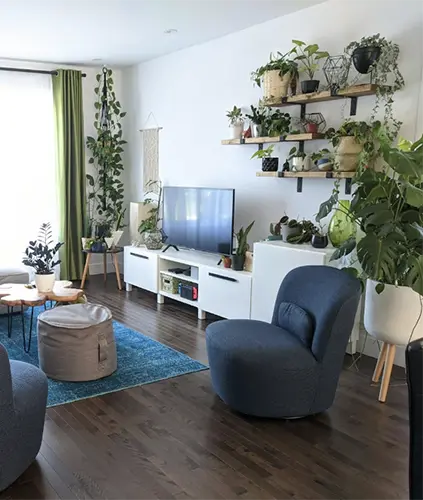
Choosing media furniture is one practical decision that responds directly to flooring, room scale and acoustics. Thoughtful selection of a TV unit or console can ground a seating area, provide concealed storage for electronics and cables, and complement floor tones—whether you favour warm natural timber or a sleeker painted finish. For inspiration and guidance on proportions, materials and finishes, consider exploring a variety of tv units to suit your space. Measuring the screen width, allowing ventilation clearance and planning for cable management will help the piece perform as well as it looks.
Different flooring materials create dramatically different atmospheres. Hardwood floors bring warmth and natural beauty but require more maintenance. Carpet provides comfort and sound absorption but may not work in all situations. Stone and tile options offer durability and easy maintenance while creating more formal or contemporary aesthetics.
When considering tile options, size plays a crucial role in how the finished floor looks and feels. Standard-sized tiles create one effect, while larger formats can dramatically alter a room’s perceived proportions and overall impact.
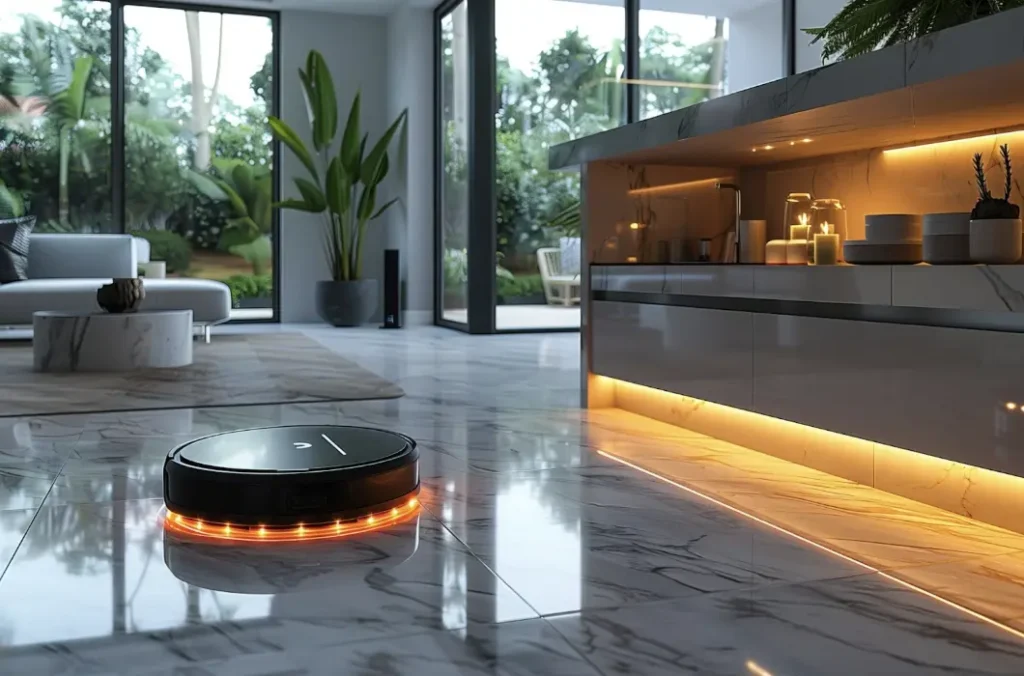
Large format tile represents one of the most significant developments in contemporary flooring design. These expansive tiles create fewer grout lines, resulting in cleaner, more continuous surfaces that make rooms appear larger and more sophisticated. The reduced number of seams also makes maintenance easier while creating a more seamless aesthetic that works particularly well in modern and transitional design styles.
The visual impact of large format tiles extends beyond mere aesthetics. Fewer grout lines mean less visual interruption, allowing the eye to flow more smoothly across the surface. This continuity can make spaces feel more expansive and unified, particularly valuable in smaller rooms or open-plan living areas where visual flow between different zones matters significantly.
From a practical standpoint, large format tiles offer several advantages beyond their striking appearance. Fewer grout lines mean fewer places for dirt and moisture to collect, making them easier to clean and maintain. This practical benefit makes them particularly suitable for high-traffic areas, kitchens, bathrooms, and homes with pets or children.
The installation of large format tiles requires more skill and precision than standard tiles, but the results justify the extra attention to detail. When properly installed, they create sophisticated surfaces that serve as neutral backdrops for furniture and decor while adding subtle texture and visual interest to any space.
Consider how different large format tile materials can contribute to your overall design vision. Natural stone options bring organic beauty and unique character, while porcelain versions offer consistency and durability. Various finishes—from high-gloss surfaces that reflect light to textured options that add tactile interest—allow you to customize the floor’s contribution to your room’s atmosphere.
Color Psychology and Creating Emotional Connections
Color is perhaps the most emotionally powerful tool in interior design, yet it’s often the element that intimidates homeowners most. Understanding how colors affect mood and perception can transform your approach to decorating and help you create spaces that not only look beautiful but also support the emotional experiences you want to have in your home.
Different colors trigger different psychological responses, and these responses can vary based on personal experiences, cultural background, and even the time of day. Warm colors like reds, oranges, and yellows tend to energize and stimulate conversation, making them excellent choices for social spaces like dining rooms and living areas. Cool colors such as blues, greens, and purples generally promote calm and relaxation, which is why they work so well in bedrooms and bathrooms.
Neutral colors—whites, grays, beiges, and earth tones—provide flexibility and longevity while serving as sophisticated backdrops for more colorful accessories and artwork. These versatile shades allow you to change the room’s personality through textiles, art, and decorative objects without requiring major redecorating efforts.
The intensity and saturation of colors matter as much as the hue itself. Soft, muted versions of bold colors often provide the emotional benefits of color while being easier to live with long-term. Deep, rich colors can create dramatic and cozy atmospheres but may make smaller spaces feel cramped if not balanced carefully with lighter elements.
Natural light significantly affects how colors appear throughout the day. Colors that look perfect in morning light might feel completely different under evening artificial lighting. This is why it’s essential to observe color choices in your actual space under various lighting conditions before making final decisions.
Consider creating color flow throughout your home by repeating certain hues in different intensities across various rooms. This doesn’t mean everything should match, but rather that there should be a logical color story that connects your spaces and creates overall harmony.
Lighting Design: Setting the Mood and Enhancing Functionality
Lighting is often called the jewelry of interior design, and for good reason. The right lighting can make colors more vibrant, spaces more inviting, and activities more comfortable, while poor lighting can undermine even the most thoughtful design choices.
Effective lighting design requires layering different types of light sources to accommodate various activities and create appropriate atmospheres throughout the day. Ambient lighting provides general illumination, task lighting supports specific activities like reading or cooking, and accent lighting highlights architectural features or artwork while adding visual interest.
Natural light should always be maximized and controlled rather than blocked. During daylight hours, natural light provides the best color rendering and helps maintain healthy circadian rhythms. However, the ability to control natural light through window treatments allows you to create different moods and prevent glare when necessary.
Artificial lighting technology has advanced dramatically, offering unprecedented control over color temperature, intensity, and even programmable timing. LED lights now provide excellent color rendering while using minimal energy, and smart lighting systems allow you to adjust your home’s lighting throughout the day to support different activities and moods.
The placement of light fixtures affects both functionality and aesthetics. Overhead lighting alone rarely creates attractive or comfortable illumination. Adding table lamps, floor lamps, wall sconces, and other sources creates more interesting and flattering light while eliminating harsh shadows.

Bringing It All Together: The Art of Cohesive Design
The most successful home transformations happen when individual elements work together to create cohesive environments that feel intentional and harmonious. This doesn’t mean everything must match perfectly, but rather that different components should complement each other while supporting your overall vision.
Cohesive design often relies on repetition and variation—repeating certain elements like colors, textures, or shapes throughout a space while varying their scale, intensity, or application. This creates visual rhythm that feels organized without being monotonous.
Consider the scale and proportion of different elements within each room and throughout your home. Large furniture pieces need to be balanced with appropriately sized accessories, and rooms with high ceilings can handle larger-scale patterns and fixtures than more intimate spaces.
The most important aspect of creating cohesive design is ensuring that your choices reflect your personal lifestyle and preferences rather than trying to replicate magazine photos exactly. The most beautiful homes are those where the design enhances how the inhabitants actually live, work, and relax.
Conclusion: Creating Homes That Enhance Daily Life
Transforming your home is ultimately about creating spaces that enhance your daily life and reflect your personal vision of comfort and beauty. Whether you’re updating window treatments for better light control, selecting bedroom furniture that promotes rest and relaxation, or choosing flooring that provides both durability and style, each decision contributes to the overall experience of living in your space.
The most successful home transformations happen gradually, with careful consideration of how different elements work together to support your lifestyle. By focusing on quality choices that serve both functional and aesthetic needs, you can create a home that remains satisfying and relevant for years to come.
Remember that great design isn’t about perfection or following every trend. Instead, it’s about creating spaces that feel authentically yours while serving your practical needs effectively. When you approach home transformation with this mindset, you’ll make choices that enhance not just how your home looks, but how it feels to live there every day.
- About the Author
- Latest Posts

Our Editorial Team are writers and experts in their field. Their views and opinions may not always be the views of Wellbeing Magazine. If you are under the direction of medical supervision please speak to your doctor or therapist before following the advice and recommendations in these articles.