
Travelling with weight loss medication: 12 things I wish I’d known before going on holiday
I travel abroad roughly once a month, both for my blog and because travelling is one of the things I love most. My immediate worry about weight-loss…
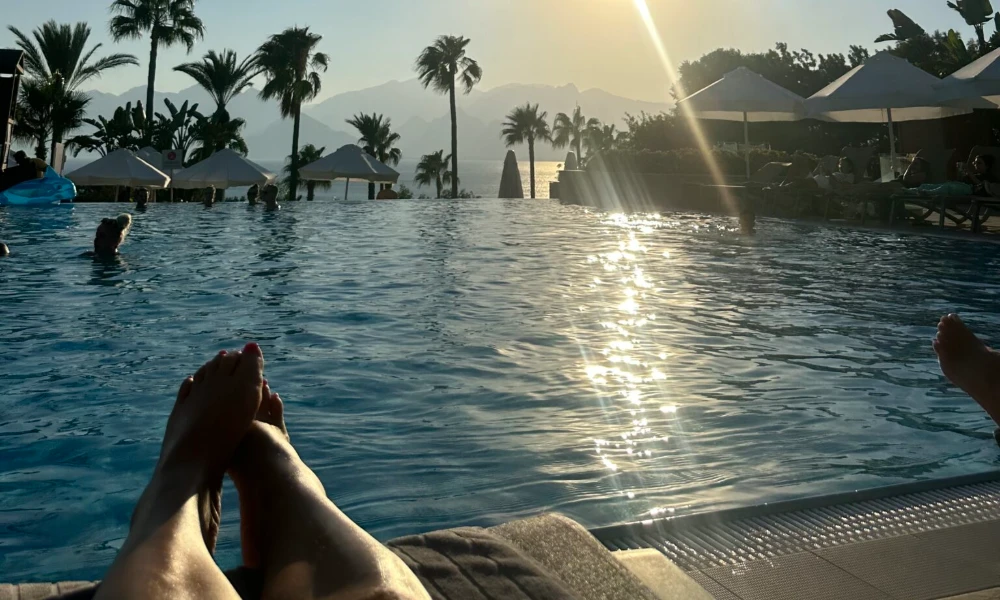
For ages, one of the reasons I put off seriously tackling my weight was travel.
I travel abroad roughly once a month, both for my blog and because travelling is one of the things I love most. My immediate worry about weight-loss injections was: how on earth is that going to work?
I pictured myself trying to smuggle a syringe through airport security, discovering the hotel minibar was switched off and worrying about my medication slowly cooking beside a swimming pool, somewhere swelteringly hot.
Eventually, I decided my travel schedule couldn’t keep being the reason I did nothing about my weight. I just needed to plan better.

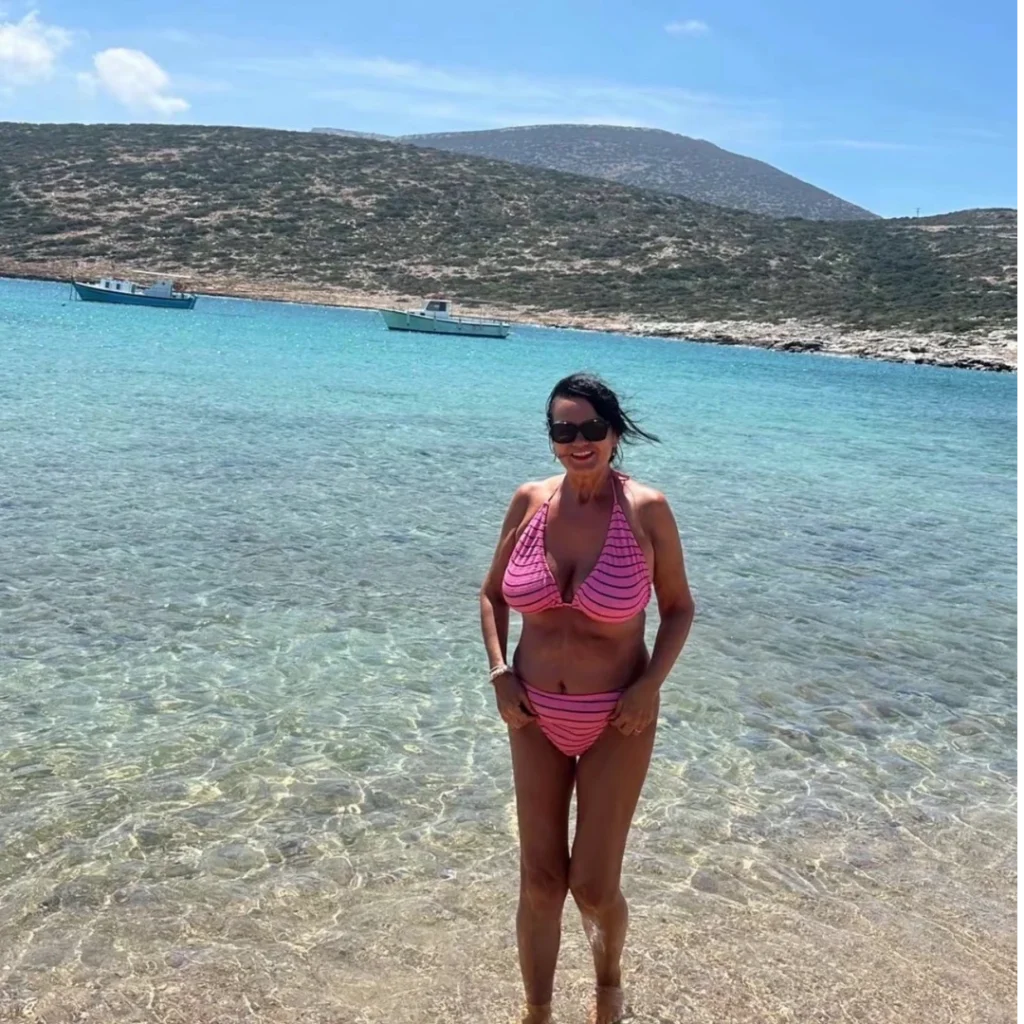
Since starting Mounjaro, I’ve lost 3.5 stone, dropped from a size 16 to a size 10 and kept the weight off for two years (see the photo above, which makes me cringe). I’ve continued to travel regularly, including this year to Portugal, Amorgos, the Costa Brava, Antalya and my beloved Le Touquet in northern France. I’ve also got trips to Marrakech, Paris, Reims up my sleeve.
I lost the majority of my weight using a different prescriber, but changed to online pharmacy The Family Chemist a few months ago, to help me maintain. I changed primarily because they have great reviews on Trustpilot and regularly have money-off discounts (weight loss medication is quite a financial commitment, but one which can be recouped when the monthly grocery bill drops so dramatically), but also because they are a PR client of mine.
Travelling with weight-loss medication has turned out to be much less complicated than I imagined. Food and drink, however, have required some adjustment.

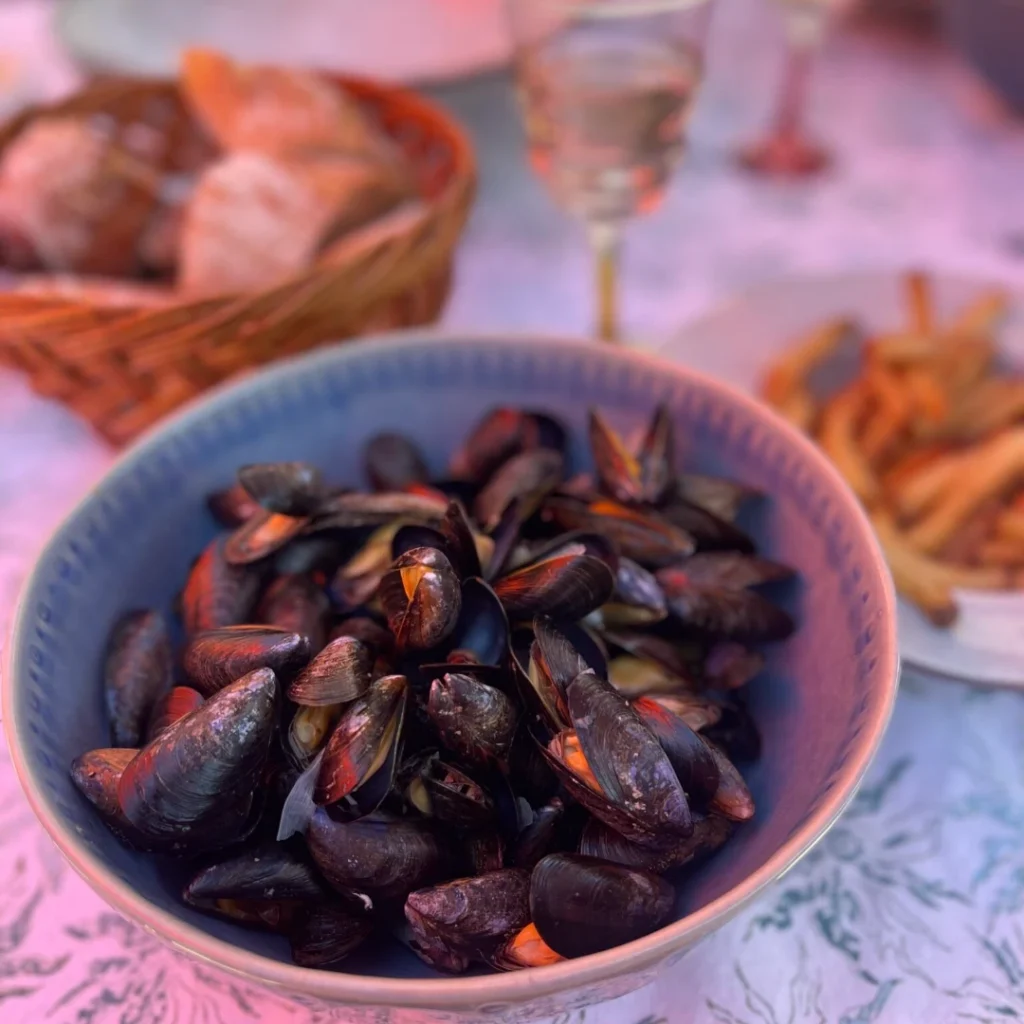
I once booked a very high-end restaurant in Bruges for my partner’s birthday and, as course after course arrived, found myself planning how to stuff the tasting menu into my handbag without anyone seeing. The expensive red wine, presented amid much pomp by the sommelier, was no better: after a few sips, it tasted like battery acid to me. So be warned! That’s us, above.
In this guide:
- How should I store Mounjaro when travelling?
- Should weight-loss medication go in hand luggage or hold luggage?
- Can I take injection pens and needles through airport security?
- Do I need a prescription or doctor’s letter to travel with medication?
- Can I take weight-loss medication into another country?
- Can I use the hotel minibar to store my medication?
- Can I take weight-loss medication to a hot country?
- What if I lose my appetite while I’m on holiday?
- Can I drink alcohol while taking weight-loss medication?
- Can I change my medication schedule before a holiday?
- How do I deal with side effects abroad?
- What if my medication is lost, damaged or gets too hot?
This guide covers travelling with weight-loss injections such as Mounjaro and Wegovy, with additional advice on daily tablets. My own experience is with Mounjaro: I haven’t personally tried every medicine mentioned here.
1. What if I lose my appetite while I’m on holiday?
Food is a huge part of travel for me. I don’t go to France or Italy to spend a week eating Haribo giant strawberries, which were my craving when I was deep into my weight-loss journey.
GLP-1 medicines, as they are called, work partly by reducing appetite and helping you feel satisfied with less food. The effect varies: some people notice a significant change, while others notice less. Other weight-loss medicines work differently, so this isn’t a description of every diet med.
With Mounjaro, I didn’t always feel physically full. I simply didn’t fancy big portions or certain foods, and a large plate could overwhelm me. That is my experience rather than a rule for everyone.
On holiday, try smaller portions, a starter-sized meal or sharing dishes. Eat slowly and stop when comfortably satisfied. You can still enjoy local food without ordering your usual three courses. Trying to eat your previous portions despite feeling full can worsen digestive symptoms.
Protein matters too. Weight loss can involve losing muscle as well as fat and reduced appetite can make it harder to eat enough. Include protein at each meal: eggs, fish, chicken, lean meat, yoghurt, tofu, beans or lentils. Spread it across the day rather than relying on one large dinner.
Guy’s and St Thomas’ NHS guidance suggests 80–100g of protein daily for the general population taking weight-loss medicines, alongside strength-based exercise twice a week.
Keep your diet balanced, with vegetables, fruit, fibre and enough fluids. A smaller appetite shouldn’t mean regularly going without adequate nutrition. If you struggle to eat enough or feel persistently sick, speak to your prescriber.

2. Can I drink alcohol while taking weight-loss medication?
Aperol Spritz on a sunny terrace is, for me, very much part of being on holiday. My enthusiasm for it, however, doesn’t override medical advice.
I’ve always been quite hangover resistant, but my experience changed with Mounjaro. Even after a couple of glasses, I could feel it the following morning.
Some people also find they lose interest in alcohol. In a small trial involving 48 adults with alcohol-use disorder, semaglutide reduced alcohol cravings and some measures of drinking compared with a placebo. Note, this remains an emerging area of research, rather than an approved treatment for alcohol dependence.
What is clearer is that alcohol can worsen nausea and vomiting. The NHS advises avoiding alcohol while using tirzepatide, the ingredient in Mounjaro, for this reason. Ask your prescriber about your own medicine and circumstances.
I’ve had to learn that I can’t assume I’ll eat and drink exactly as I did before. If alcohol makes you unwell, don’t push through it or skip medication to accommodate a night out.
3. How should I store Mounjaro when travelling?
This was probably my biggest concern before I started. My medication arrives in chilled packaging, so I imagined every journey involving ice packs, hotel refrigerators and mild panic.
In reality, different medicines—and different pen types or stages of use—have different storage instructions. Always check the leaflet supplied with yours.
For the UK Mounjaro KwikPen, which is what I use, a pen already in use can be stored unrefrigerated for up to 30 days after first use, provided the temperature does not exceed 30°C. That clock starts when you first use the pen, not when you leave for your holiday.
The pen must be discarded after four weekly doses or 30 days after first use, whichever comes first. Unused pens should be refrigerated at 2–8°C, including during travel, so taking a spare requires suitable cooling. These are the manufacturer’s UK travel and storage instructions.
Don’t apply Mounjaro’s limits to Wegovy or another product: their storage rules may differ.
4. Should weight-loss medication go in hand luggage or hold luggage?
I want my medication with me, rather than disappearing into the hold. Checked luggage can go missing and its temperature conditions may not be suitable for injectables.
My parents once returned from a Caribbean cruise without their luggage. Retrieving it involved many phone calls, an eight-hour round trip to Heathrow and back and an alarming moment when we realised we didn’t have the correct ID, nearly resulting in having to come home without it. I have been haunted by airport carousels ever since.
An AirTag in my suitcase gives me some reassurance, but it doesn’t protect medicine from unsuitable temperatures or guarantee a speedy reunion. I always keep essential medication in my cabin bag, following the airline’s rules and storage instructions.
5. Can I take injection pens and needles through airport security?
Prescribed medication and medically necessary needles can be taken through UK airport security in hand luggage, subject to the relevant checks and documentation. You don’t have to put them in the hold simply because they are needles.
GOV.UK’s airport medicines guidance lists essential liquid medicines and hypodermic syringes as permitted in both cabin and hold baggage. It also lists cooling gel packs as permitted, but advises contacting the airport about ice packs.
Check your airline’s current requirements rather than assuming they are identical. For example, easyJet’s medical information asks for a medical practitioner’s letter for sharp objects such as needles. Ryanair’s medical-supplies guidance includes separate arrangements for supplies carried beyond your normal baggage allowance.
Check the airports on your return journey too. Permission to pass through UK security is separate from permission to bring medication into another country.
6. Do I need a prescription or doctor’s letter to travel with medication?
Take a copy of your prescription and, where required, an appropriate medical letter. Keep medication in its original packaging with the pharmacy label showing it was prescribed to you.
Ask your prescriber what documentation you need for the particular airline and destination. A letter can explain the medicine, dose, quantity and your need to carry injection equipment.
For UK security, GOV.UK specifically requires proof for prescribed liquid medicine in a container larger than 100ml. Needles can have separate documentation requirements: Gatwick’s security guidance, for example, requires proof that hypodermic needles are needed for medical reasons.
Even if nobody asked to see your paperwork on previous trips, that doesn’t mean it won’t be needed next time.
7. Can I take weight-loss medication into another country?
Being legally prescribed a medicine in the UK doesn’t automatically establish what another country allows. There isn’t one worldwide entry rule for Mounjaro, Wegovy or other weight-loss medicines.
Some destinations limit the quantity you can bring or require advance paperwork. Japan’s health ministry, for example, generally permits up to one month’s supply of eligible prescription medicines and prefilled syringes or self-injection kits without an Import Confirmation. Larger quantities require advance paperwork; prohibited or controlled medicines have separate rules.
Singapore’s Health Sciences Authority permits up to three months’ supply of eligible medicines, with a prescription or doctor’s letter and labelled original packaging. Certain ingredients require prior approval, and prohibited medicines cannot be brought in.
Some older weight-loss medicines are banned or restricted in certain countries, but this is different from a blanket ban on modern weight-loss injections. A medicine being unavailable or unlicensed locally is also a separate question from whether a visitor can bring a prescribed personal supply.
Check with your destination’s embassy or medicines regulator using both the brand name and active ingredient: tirzepatide for Mounjaro, semaglutide for Wegovy, or orforglipron for Foundayo. Check relevant transit rules as well as those for your final destination.
8. Can I use the hotel minibar to store my medication?
Possibly, but only if it reliably maintains the temperature your medicine needs.
Hotel minibars vary enormously. Some aren’t particularly cold, some may lose power when you leave the room, and some hotels don’t provide one at all. Don’t assume it is suitable simply because your drinks feel cold.
For unused Mounjaro KwikPens, the required range is 2–8°C. Check with the hotel before arrival and use a fridge thermometer to confirm the temperature. Keep medication away from cooling plates, freezer compartments or surfaces where ice forms. Mounjaro must not be frozen, and a pen that has frozen can’t be used.
If you can’t confirm suitable storage in your room, ask whether the hotel has another fridge that reliably maintains the required temperature.
You may not need refrigeration for an in-use UK Mounjaro KwikPen if it stays within its permitted 30-day period and at no more than 30°C. Returning it to a fridge doesn’t restart that clock. Follow the manufacturer’s storage guidance for your own product.
9. Can I take weight-loss medication to a hot country?
Yes, provided you can maintain its required storage conditions. The temperature of the medicine matters – not simply the weather forecast.
I frequently travel somewhere hotter than 30°C. Suddenly, leaving a handbag in the sunshine or medication in a hot taxi takes on rather more significance.
Keep medication out of direct sunlight and never leave it in a hot car. If the room or your bag could exceed your medicine’s temperature limit, arrange suitable cooling. A cooling pouch isn’t automatically a guarantee: check that it can maintain the conditions your particular medicine needs.
Avoid placing a pen directly against a frozen ice pack. With Mounjaro, freezing is just as much a problem as excessive heat. If you suspect it has been stored outside the permitted conditions, ask your pharmacist or the manufacturer for advice before using it.
10. Can I change my medication schedule before a holiday?
My appetite and interest in alcohol changed considerably while taking Mounjaro. I’ve already discussed my travel plans and treatment breaks with The Family Chemist, ahead of my forthcoming trip to Marrakech, including advice about returning to treatment. Those discussions are individual to me, rather than a plan I’d recommend copying.
Changing your injection day, stopping treatment and restarting after a break are different decisions. Moving a weekly injection day may be convenient for a short trip, but the missed-dose instructions aren’t a recommendation to regularly delay treatment for holidays.
Ask your prescriber or pharmacist before taking a planned break, particularly if your medicine also manages diabetes. Don’t assume that stopping shortly before departure will immediately restore your usual appetite or make alcohol suitable.
The following summarises current UK product instructions. Always check the leaflet supplied with your own medicine.
Mounjaro injections: changing days and missed doses
You can change your weekly injection day provided there are at least 72 hours between doses, then continue weekly on your new day.
If you miss a dose, take it as soon as possible within four days (96 hours) of when it was due. If more than four days have passed, skip it and take your next dose on your usual scheduled day. Never take two doses less than 72 hours apart.
Wegovy and Ozempic injections: changing days and missed doses
UK prescribing guidance permits changing the weekly injection day provided there are more than 72 hours between doses, then continuing weekly on the new day.
If you miss an injection, take it as soon as possible within five days of when it was due. If more than five days have passed, skip it and take the next dose on your usual scheduled day. Don’t take a double dose to catch up.
These instructions are for injections, not tablets. See the UK prescribing information for Wegovy injections and Ozempic injections.
Foundayo tablets: missed doses
Foundayo is a daily tablet containing orforglipron, so there is no weekly injection day to rearrange. It can be taken at any time of day, without food or water restrictions.
UK prescribing information says to resume dosing as soon as possible after a missed dose and take no more than one tablet per day. Don’t take extra tablets to compensate. If you have missed several doses or are planning a break, ask your prescriber how to continue.
Oral Wegovy: missed doses and food rules
If you miss a Wegovy tablet, skip it and take your next dose the following day. Don’t take an extra tablet to catch up.
The UK instructions for oral Wegovy recommend taking it on an empty stomach after at least eight hours of fasting. Swallow it whole with a sip of water – no more than 120ml – then wait at least 30 minutes before eating, drinking or taking other oral medicines. These conditions affect how well the medicine is absorbed.
What about time zones?
Weekly injections can be taken at any time of day, so you can generally keep your usual weekly day and choose a convenient local time. If you change days or cross the International Date Line, check the actual elapsed time since the last injection rather than relying only on the date.
For daily tablets, ask your pharmacist to help plan the move to local time, especially on overnight flights. Record when you last took a dose so you don’t accidentally take an extra tablet. With oral Wegovy, plan around its fasting requirement as well as the clock.
If you miss several doses of any medicine, ask how to restart rather than automatically returning to your previous dose. Wegovy injection guidance specifically notes that a lower restart dose may need to be considered after multiple missed doses.
11. How do I deal with side effects abroad?
Luckily, I haven’t experienced nausea, diarrhoea, constipation or other troublesome digestive symptoms with Mounjaro. Nobody wants to deal with those halfway up a mountain, on a boat trip or on a beach with no decent loo in sight.
I had enough to contend with on my recent trip to Suluada Island in Turkey, without also worrying about whether I might have a toilet emergency.
If you do have side effects, discuss them with your prescriber before departure rather than deciding yourself to pause treatment. Ask about managing symptoms, whether any dose change is appropriate and where to get help if things worsen abroad.
Smaller meals and regular fluids may help. The NHS advice on managing side effects is a useful starting point. Persistent vomiting or diarrhoea can cause dehydration; if you cannot keep fluids down or develop signs of dehydration, seek medical advice promptly.
Seek urgent medical attention for severe, persistent abdominal pain, particularly if it spreads to your back or comes with nausea or vomiting. The MHRA warns that these may be symptoms of pancreatitis. Don’t assume it is a normal side effect or a holiday stomach bug.
12. What if my medication is lost, damaged or gets too hot?
What if your pen gets too hot? Accidentally freezes? Is left in a hotel fridge? Or you simply forget it?
The answer isn’t necessarily to walk into a pharmacy abroad and expect to buy a replacement. Availability, prescription requirements and product formulations can differ.
Before travelling, save your prescriber’s contact details and know who you would ask about storage problems or missed doses. If it may have exceeded its temperature limit, seek product-specific advice rather than guessing from its appearance.
Check that your travel insurance covers your circumstances and ask the insurer what conditions and treatment you need to declare. Arrange safe needle disposal too: ask your pharmacist about a travel sharps container and your accommodation about local disposal options.

What travelling with Mounjaro has taught me
The irony is that travelling with GLP-1 medication was one of the things that put me off starting – and it has turned out to be one of the least dramatic parts of the experience.
Yes, I have to think ahead. Yes, medication sometimes joins my passport, SPF and 15 pairs of shoes on the mental list of things I cannot leave home without. But I haven’t stopped travelling. I’ve learned to plan around my treatment.
I get on well with Mounjaro and don’t currently want to change something that has worked for me. I’m also considerably happier with how I look and feel. My ongoing treatment is something to discuss with my prescriber, rather than a decision I can make for other people.
When you’ve been taking GLP-1s for a while, you do feel that you become a bit of an expert and know your own body. Even so, I will still always seek advice from The Family Chemist if I have any questions about diet medication. This is a prescribed medication, after all, and not to be messed with.
If I’d known at the beginning what I know now, I wouldn’t have allowed the fear of travelling with medication to put me off for so long.
My advice? Check the rules, get the paperwork, look after your medication – and leave room in the suitcase for the shoes.
Last reviewed: 2 October 2026. Medication instructions above refer to UK products unless stated otherwise.
A note about my prescriber: The Family Chemist prescribes my medication, and I have also worked with the company professionally as a PR consultant. That relationship is relevant to my references to it in this article.
Medical advice: This article shares my personal experience alongside linked UK guidance. It does not replace individual medical advice. Check your medicine’s current leaflet and speak to your prescriber before changing treatment.
The above is based on my own personal opinion and research I’ve done on the internet. But, just like ChaGPT, I can make mistakes. So don’t take everything I say as gospel. Use the above as a guideline, if you like, but for any decisions about your health, always speak to a healthcare professional.
Found what you just read useful? Please subscribe to The Sun Lounger for more travel news, reviews and interviews.
Article first published on The Sun Lounger
Filed underWeight management, Addiction & alcohol, Dental, France

About the author
Vanessa MunningsPR & Travel Writer
Summer-loving, holiday-craving journalist-turned-PR and mum of two beautiful young ladies in their 20s! Her passport is always within reach and she dreads the end of summer every year.