Walking past a mirror and seeing a red face can be startling. You might wonder if it is the spicy lunch you ate or just the heat. Facial redness happens to many people for various reasons. Sometimes it fades quickly – other times it stays for a while. Understanding the root cause is the first step to finding relief. This guide looks at why skin turns red and what those signs might mean for your health.
Recognizing Skin Flushing
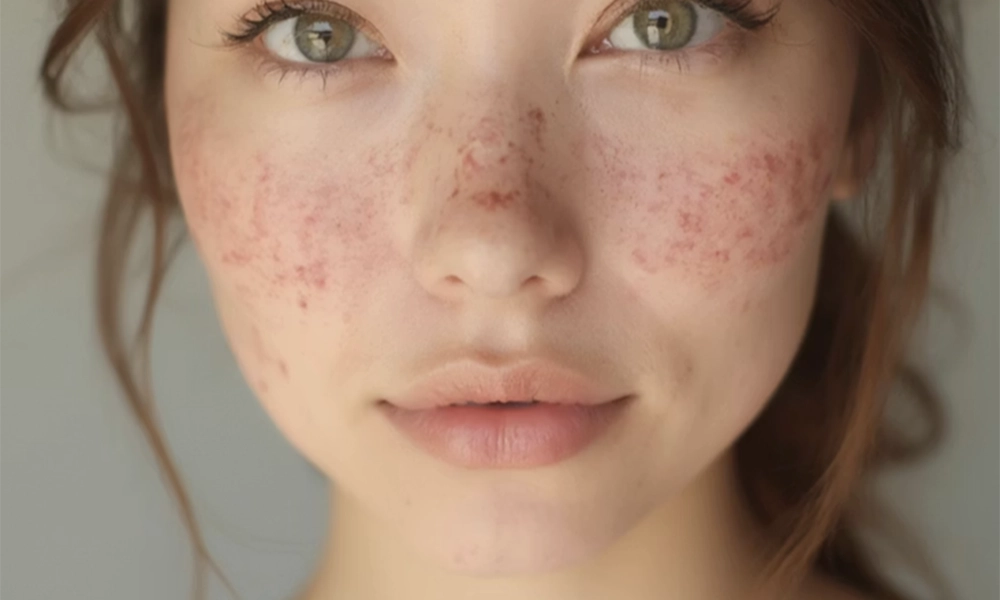
A sudden change in skin color is often the most visible sign of a reaction. Information from a major medical center describes flushing as a quick increase in blood flow to the neck and face. This reaction can make the skin feel warm or even hot to the touch. It usually happens when the body tries to cool itself down. Emotional stress or sudden temperature shifts can trigger this immediate response.
The Frequency of Skin Issues
Many adults live with persistent redness without knowing the exact name for it. Data from a bibliometric study shows that about 10% of adults deal with these skin concerns. Women between the ages of 30 and 50 are the most likely group to see these changes. Seeing these statistics helps people realize they are not alone in their struggle. It highlights the need for better awareness and education regarding skin conditions.
Understanding Chronic Conditions
Persistent color changes on the face often signal a long-term condition. People often look for a rosacea treatment when they realize the redness does not go away after resting. This type of care focuses on calming the skin and reducing the appearance of blood vessels. Managing these symptoms early can prevent them from getting worse over time. Many patients find that tracking their triggers helps keep the condition under control.
Market and Industry Growth
The demand for skin care solutions has led to a massive increase in product development. Financial reports estimate that the market for these medical solutions will reach over $4 billion by 2034. This growth shows how many individuals are searching for relief from facial irritation. Much of this focus is on developing new topical creams and light therapies. High demand usually leads to more innovation and better options for patients.
Identifying Seborrheic Dermatitis
Redness is not always caused by the same underlying issue. Experts from a dermatology academy mention that seborrheic dermatitis frequently creates a red rash on the face. This specific condition often appears in oily areas like the sides of the nose or eyebrows. It can look like scaly patches or dry skin that refuses to heal. Differentiating between a simple rash and a chronic issue is a big part of effective care.
Regional Trends in Skin Health
Where you live can influence how often you see these skin issues in your community. Market data reveals that North America held a 39% share of the industry in 2024. Environmental factors like cold winters or high sun exposure play a role in skin sensitivity. People in these regions tend to spend more on professional consultations and specialized products. This trend suggests that climate and lifestyle choices impact how we manage our appearance.
Triggers and Physical Changes
Certain habits or health factors can make redness appear more frequently. A university health system points out that redness can involve the swelling of blood vessels near the surface. These vessels become more visible and stay dilated for longer periods. These skin problems are linked to issues with the eyes or other parts of the face in some cases. Knowing these connections helps doctors provide a more complete plan for their patients.
Modern Phenotypes and Medication
Medical experts are changing how they categorize skin conditions to provide better care. A 2025 update notes that doctors now look at specific phenotypes instead of just broad subtypes. This approach allows for more personalized care based on what the patient actually sees on their skin. Common approaches include:
- Applying cooling gels to reduce heat.
- Using prescription creams to lower inflammation.
- Avoiding spicy foods or hot drinks.
One organization explains that azelaic acid is a common topical medication for inflammatory bumps.

The Nervous System Connection
The way our bodies react to the world around us is more than just skin deep. Research from a well-known medical school suggests that the nervous system plays a part in how our skin reacts to stress. The “fight or flight” response can cause a physical reaction that manifests as a deep flush. This link shows that managing stress might be as useful as using a cream. It creates a bridge between mental wellness and physical skin health.
Finding the cause of facial redness can take some time and patience. Every person has a unique set of triggers that can spark a flare-up. Stay observant of how your skin behaves in different settings. With the right knowledge, you can manage redness and feel confident in your own skin.
- About the Author
- Latest Posts

Our Editorial Team are writers and experts in their field. Their views and opinions may not always be the views of Wellbeing Magazine. If you are under the direction of medical supervision please speak to your doctor or therapist before following the advice and recommendations in these articles.