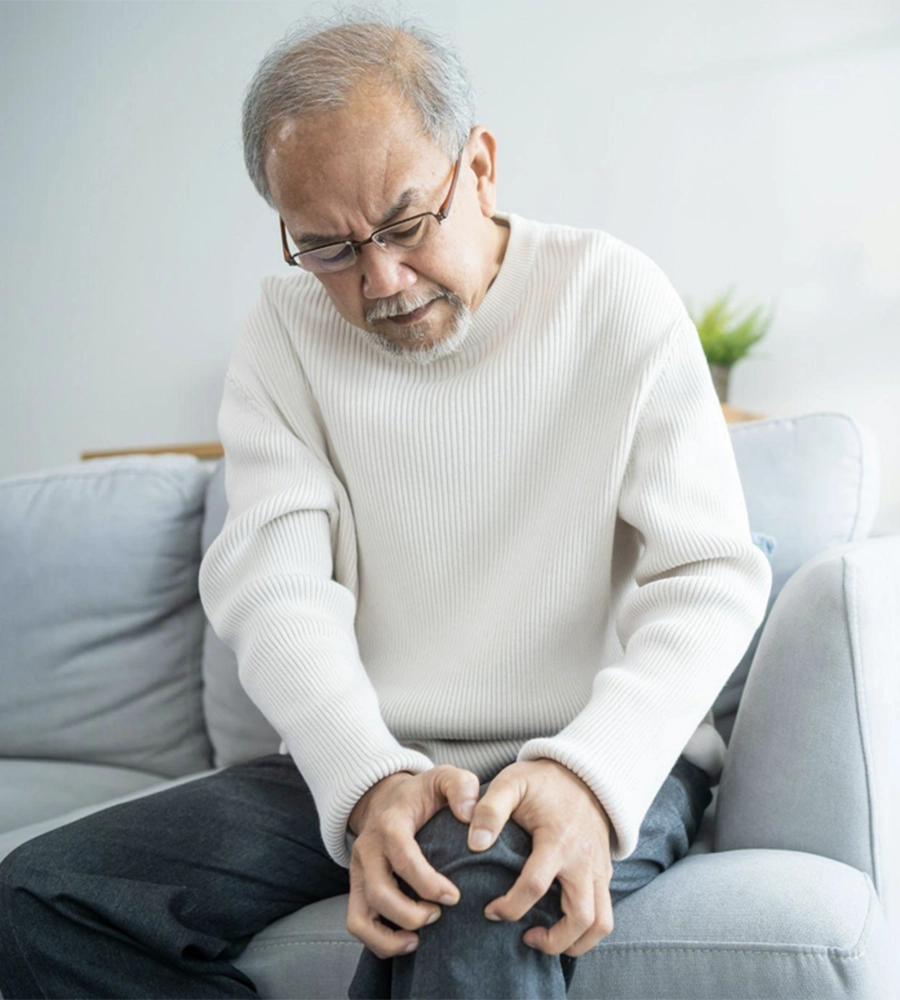
- Osteopathy treats pain by addressing root causes, not just surface symptoms.
- Local care offers personalized insight and convenience for more effective results.
- Hands-on treatment enhances mobility, improves circulation, and promotes overall well-being.
- Regular osteo sessions can support long-term health and help prevent future issues.
You’ve tried stretching—maybe even some yoga. You’ve swapped chairs, adjusted pillows, cut back on screen time—and yet, that nagging ache in your back or the stiffness in your hips just won’t quit. Sound familiar?
If you’re like a growing number of people, you might be starting to wonder if there’s a better way to deal with this discomfort than simply pushing through it or popping painkillers. That’s where holistic care steps in—not just as an alternative, but as a thoughtful, whole-body approach that focuses on why you’re feeling pain in the first place.
Osteopathy is one of the most accessible and grounded holistic treatment methods out there. It’s hands-on, non-invasive, and often surprisingly effective, even for chronic issues that haven’t responded to other therapies. But it’s more than just a physical treatment—it’s a philosophy about how your body works as an interconnected system. And once you understand what it offers, it might just shift the way you think about health and healing.
Let’s unpack what makes this approach so compelling.
What Makes Osteopathy a Holistic Solution?
You’ve probably heard the term “holistic” used a lot these days. It’s tossed around in wellness circles and health food shops, but in osteopathy, it has a concrete meaning. A holistic solution involves looking at your entire body, not just the single part that hurts. Osteopaths are trained to consider how your bones, muscles, joints, and even your lifestyle and stress levels could be contributing to your discomfort.
For example, if you’ve got persistent lower back pain, it might not be just a “back issue.” It could stem from a misalignment in your hips, tension in your shoulders, or even how you walk or sleep. An osteopath will look at the way your body moves as a whole, searching for imbalances or strain patterns that aren’t immediately obvious.
They’ll also focus on prevention, not just treatment. Instead of offering a temporary fix, they’ll work with you to understand how you can avoid flare-ups and stay active and mobile long-term. And because osteopathy is a manual therapy—meaning it’s based on hands-on techniques—your treatment will often be tailored to your exact body and how it responds.
This kind of personal, whole-body care doesn’t just relieve symptoms—it can help reset your physical baseline altogether.
The Benefits of Localized, Hands-On Treatment
When it comes to health, location matters more than most people realize. Whether it’s the physical environment or the rhythm of your daily routine, these things affect how your body feels and heals. That’s why finding care that understands the local context is so crucial.
If you’re based in a bayside suburb like Mentone, your needs and stressors may be different from those of someone in a fast-paced urban setting. Maybe you spend a lot of time driving, walking on sand, or working from a home office that wasn’t exactly ergonomically designed. These are subtle yet essential factors that a local osteopath can consider.
That’s part of the value in seeking out Mentone’s best osteopath care—not just for the treatment itself, but for the familiarity and personalisation that comes with it. A practitioner in your area doesn’t just know your postcode—they likely understand your lifestyle, your local sports clubs, and even the everyday habits that lead to injury in your community.
Let’s not overlook convenience. Being able to follow up with your practitioner quickly, schedule last-minute appointments when something flares up, or simply build rapport with someone nearby can make a huge difference. Healing that is rooted in your community feels less clinical, more connected, and ultimately more effective.
Key Benefits Backed by Patients and Practitioners
One of osteopathy’s most compelling aspects is its consistent ability to help people feel better, not just in the short term but in lasting ways. While everyone’s experience is unique, certain standout benefits consistently emerge in patient stories and clinical observations.
First, let’s discuss pain relief. Whether it’s lower back tension, neck stiffness, or repetitive strain in the shoulders or knees, osteopathy often provides noticeable improvement within just a few sessions. That’s largely thanks to the gentle, targeted techniques that restore movement and relieve muscle tension without the need for medication or invasive procedures.
Improved mobility is another big win. People often don’t realise how much a limited range of motion is affecting their everyday lives until it starts to get better. Suddenly, you can bend, stretch, or turn your head without wincing—and that slight shift can have a significant impact on everything from sleep to exercise to your ability to focus at work.
There’s also the ripple effect on your nervous system. Osteopathic treatment promotes better circulation and lymphatic drainage, which can help reduce inflammation and support the body’s natural ability to return to a calmer, more balanced state. That’s why many patients report feeling more relaxed and even mentally clearer after their sessions.
All of this contributes to an overall sense of wellness that’s hard to pin down but easy to feel. You’re not just treating pain—you’re creating conditions for your body to thrive.
What to Expect from a Session
If you’ve never visited an osteopath before, it’s natural to feel a little uncertain about what happens in a session. Spoiler: it’s probably a lot gentler—and more personal—than you might expect.
It usually starts with a conversation. Your osteopath will ask questions about your health history, lifestyle, and any current concerns you’re experiencing. This isn’t just small talk—it’s how they build a picture of your body’s patterns, habits, and stress points. They’ll also observe how you move, stand, and sit to detect any misalignments or compensations your body might be making.
Then comes the hands-on work. The osteopath employs a combination of stretching, gentle pressure, and subtle manipulations to address areas of tension, misalignment, or restriction. It’s not like a deep tissue massage, nor is it like a chiropractic adjustment—it’s more fluid and responsive, tailored moment-to-moment to how your body reacts.
You might feel immediate relief, or you may experience a slow, steady improvement over the next couple of days. Either way, most people leave their session with a better understanding of their own body and a sense of ease they didn’t have before walking in.
If you’re someone who’s used to clinical or rushed medical appointments, the relaxed pace and hands-on attention of osteopathy might feel surprisingly refreshing. And that human connection—the feeling of being seen and listened to—can be just as healing as the treatment itself.
Long-Term Health and Lifestyle Support
Osteopathy isn’t just for flare-ups or injuries—it shines brightest when integrated into an ongoing wellness approach. It works with your body’s natural rhythms, helping you build resilience, maintain flexibility, and prevent small imbalances from turning into major issues.
Think of it as a tune-up for your musculoskeletal system. Life wears us down in ways we don’t always notice—working long hours at a desk, carrying kids on one hip, compensating for an old ankle injury. Osteopathic care helps you stay ahead of wear and tear, especially when paired with mindful movement, stretching routines, or ergonomic adjustments in your daily environment.
For individuals managing chronic conditions such as arthritis, scoliosis, or fibromyalgia, osteopathy can be a valuable ally. It won’t “fix” these conditions, but it often helps reduce discomfort and improve function, allowing you to continue doing the things you love. Similarly, if you’re recovering from surgery or injury, osteopathy can support your rehab by encouraging better circulation and reducing secondary tension.
Even if you’re not in pain right now, this treatment can powerfully keep you feeling balanced, mobile, and strong as you age. It’s proactive care—not reactive—designed to keep you at your best in the long run.
Conclusion: Your Next Step Toward Feeling Better
You don’t have to settle for discomfort as your new normal. The way your body feels affects everything—your energy, your sleep, and even your confidence. The good news is that there’s a way forward that doesn’t require numbing the pain or just hoping it goes away.
Holistic care offers a different kind of relief—one that considers the whole person and focuses on sustainable improvement. Whether you’re dealing with a specific issue or simply want to feel more aligned in your daily life, exploring hands-on treatment can be a wise and gentle step in the right direction.
So take a moment to tune in to how you’re feeling. If something’s been holding you back physically, maybe now’s the time to get curious about what’s possible with the proper support.
- About the Author
- Latest Posts

Our Editorial Team are writers and experts in their field. Their views and opinions may not always be the views of Wellbeing Magazine. If you are under the direction of medical supervision please speak to your doctor or therapist before following the advice and recommendations in these articles.