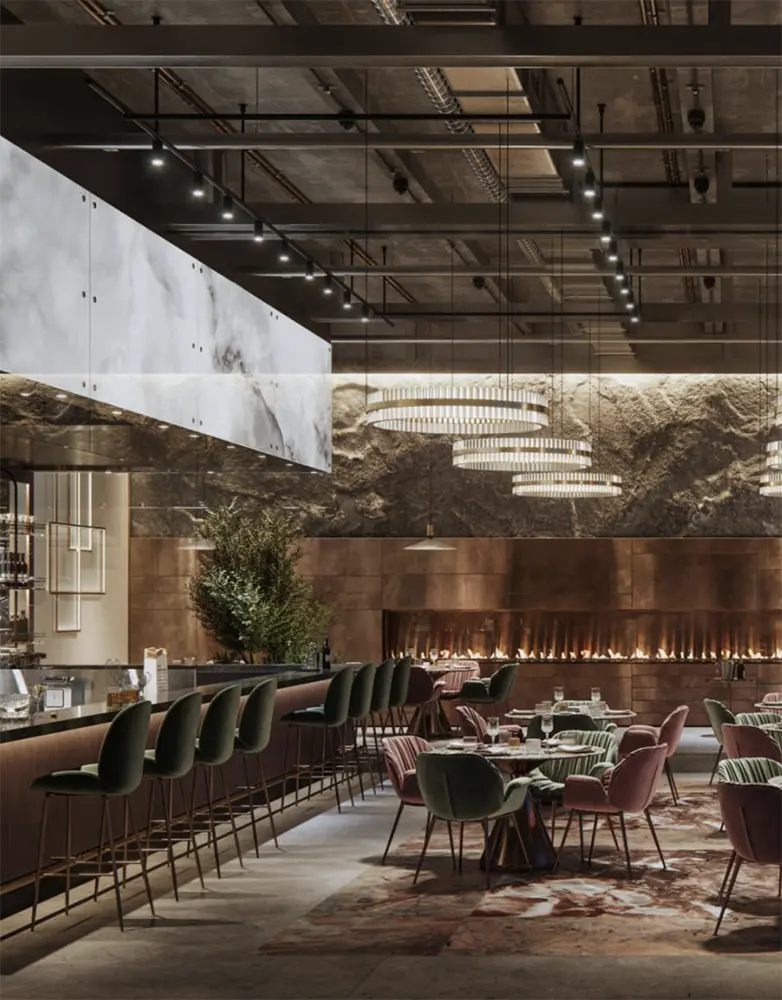
When people think of wellness dining, their thoughts often turn to food choices, such as healthy menus, fresh ingredients, or balanced portions. Yet there is another aspect of the dining experience that influences how guests feel, and it is often overlooked. The furniture in a restaurant does far more than provide a seat at the table. It shapes the atmosphere, affects comfort, and can even support or undermine mental well-being.
Restaurants are increasingly recognizing the connection between design and wellness. It is essential to mention that quality restaurant furniture plays a significant role in this shift. Diners today are looking not only for good food but also for a setting that allows them to relax, enjoy themselves, and connect with others. Reports indicate that approximately 70 percent of customers believe that ambiance and comfort significantly influence their decision to return. Studies also find that people stay 10 to 20 minutes longer when seated comfortably, and when furniture is poorly designed, fatigue and stress become much more likely. These findings lay the groundwork for a new understanding of how dining spaces can be designed to enhance mental health.
Comfort and the Psychology of Seating
A seat that feels right has more influence than many realize. Ergonomically designed chairs and booths reduce physical stress, allowing guests to relax and lowering the chances of discomfort that could distract them from their meal. Padded seats and firm back support extend dining time and make the experience more enjoyable.
The link between physical comfort and mental health is strong. Research indicates that good seating can help reduce cortisol, a stress hormone. More than 60 percent of consumers even say that a comfortable environment is tied directly to their sense of well-being while dining. This benefit is amplified when comfort is combined with low ambient noise, as the pairing produces calmer and more satisfying dining experiences.
Seat design details also matter. Backrest height, cushion firmness, and whether armrests are provided can all influence posture, which in turn affects mood and energy levels. Good support prevents aches and pains, sparing diners from the kind of discomfort that can diminish enjoyment and raise irritability.
The Impact of Social Interaction and Connection
Dining is rarely only about eating. It is often about connection. The type and placement of furniture can make or break this part of the experience. Booths, for instance, provide intimacy and a sense of belonging. They create safe corners where conversations feel more personal.
Communal tables offer a different benefit. They promote inclusivity and encourage shared experiences among strangers or groups. Layouts that allow visibility and easy access encourage spontaneous interactions, which in turn increase a sense of community. At the same time, some guests prefer privacy, and semi-private areas or seats away from crowds reduce social anxiety.
Furniture spacing also plays a part. Too little space increases stress and discomfort, while too much separation can feel isolating. Finding balance is essential, especially since social connectedness and social media are now among the strongest predictors of mental health. Restaurants that pay attention to these details are better able to create spaces where people feel they belong.
Aesthetic Appeal and Emotional Resonance
Visual design has a profound impact on emotions, extending beyond surface impressions. Materials such as wood and rattan add warmth, while specific colors influence both appetite and mood. Clean, minimalist designs help reduce visual stress, allowing the mind to process fewer distractions.
Biophilic design, which uses natural textures and patterns, has been shown to increase feelings of relaxation by around 15 percent. Nearly 78 percent of diners admit that interior design influences how they feel about the restaurant. It is not just the food but also the environment that determines whether the experience feels nourishing.
Soft lighting and gentle curves in chair and table design are also calming. Textures, from velvet to woven fabric, add layers of sensory comfort. When all furniture pieces share a coherent style and color palette, the effect is harmony. This reduces mental strain and contributes to a more relaxed mindset, demonstrating that emotional well-being is closely tied to the visual and tactile aspects of a meal.
Supporting Mental Health through Inclusive Design
Comfort is not universal unless everyone is included. Restaurants that think about accessibility in furniture design help reduce stress for people with mobility challenges. Offering adjustable or flexible seating allows for different needs to be met.
Furniture placement is also crucial for neurodiverse diners who may require quieter corners to avoid sensory overload. Careful spacing helps prevent overwhelming noise and movement, providing a more calming environment. Studies show that when environments are inclusive, overall customer satisfaction rises by as much as 30 percent.
Adjustable furniture, such as chairs with varying heights or firmness levels, accommodates a wide range of body types and ages. Features like armrests and firm seating are beneficial for those with back problems. Clear sight lines and wide paths also lower anxiety by making people feel safer in crowded settings. These thoughtful details do more than provide access; they foster dignity and a sense of peace of mind.
The Business Case for Wellness-Focused Furniture
Comfortable furniture is not only good for the diner, but it is also suitable for business. Customers who feel at ease are far more likely to return. Research suggests that restaurants with wellness-focused design see a 15 to 20 percent increase in repeat visits.
Investing in high-quality seating also saves money in the long run by reducing the need for replacement costs. Beyond financial considerations, the overall atmosphere has a significant impact on both guests and staff. A positive environment boosts employee morale, which in turn improves service.
Social media also plays an increasingly significant role. Comfortable and beautiful interiors often become backdrops for posts, amplifying a restaurant’s reputation. Guests who linger longer are more likely to order desserts or drinks, raising the average spend per visit. Additionally, reducing discomfort lowers the likelihood of negative reviews. As wellness continues to shape consumer choices, furniture becomes a clear competitive advantage.
Final Reflections: Toward Dining Spaces that Heal and Nourish
The connection between restaurant furniture and mental health is no longer something to overlook. Comfortable seating promotes relaxation, encourages social interaction, and enhances the sense of inclusion. It ties together physical comfort, emotional well-being, and community building, all within the act of dining.
Restaurants that embrace wellness dining are not only serving meals but also contributing to the creation of healthier communities. Viewing furniture as a long-term investment rather than just a cost enables hospitality leaders to differentiate themselves. The future of dining will be defined as much by the ambiance it creates as by the flavors it offers.
In the years ahead, adaptable and modular furniture will likely become increasingly common, allowing each diner to tailor their experience to suit their personal needs. More research is still needed across cultures to understand how design affects mental health fully, but one thing is sure. Dining spaces are increasingly blending with wellness spaces, offering quiet corners, calming designs, and mindful environments. The journey of wellness dining has only begun, and the role of furniture is at its very heart.
- About the Author
- Latest Posts

Our Editorial Team are writers and experts in their field. Their views and opinions may not always be the views of Wellbeing Magazine. If you are under the direction of medical supervision please speak to your doctor or therapist before following the advice and recommendations in these articles.