
What is Double Vision?
Seeing double (diplopia) can be incredibly unsettling. It can affect your ability to drive, read, work and go through your daily routine with confidence.
Monocular double vision means you see two images from one eye, the double vision persisting when the good eye is closed. Conversely, binocular diplopia is a condition that involves both of your eyes, each eye individually seeing fine with the double vision only being apparent when both eyes are open.
Binocular double vision occurs when the two eyes don’t point in quite the same direction, a condition referred to as a squint. The problem here is not with the eyes, but with the muscles controlling eye movements. Special tests are required to determine why a muscle is weak and decide on the best treatment.
Monocular diplopia, on the other hand, implies a problem with the eye itself.
Specialist private eye surgery clinic Sapphire Eye Care helps patients to uncover the cause of their double vision and explore the most appropriate treatment options for their individual needs.
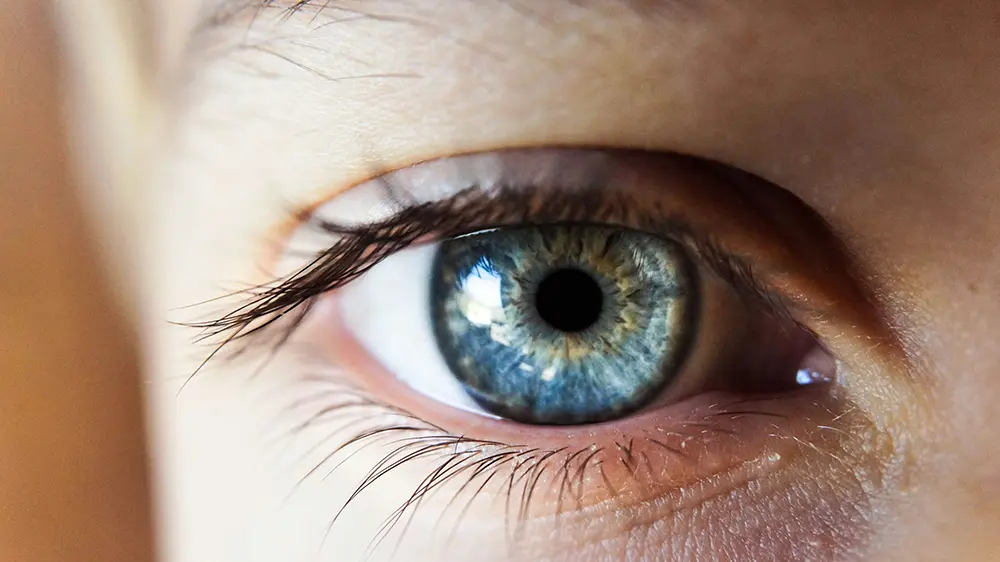
Understanding Double Vision: Monocular vs. Binocular
Double vision refers to looking at a singular object but seeing two images, which can appear stacked, slightly overlapping or side by side.
Monocular double vision is always symptomatic of an issue with a single eye, whereas binocular double vision usually results from problems that arise when the eyes don’t work together to produce a single image.
If you try covering one eye and the double vision goes away, you will be suffering from binocular double vision. If you still experience double vision in the eye you haven’t covered, the condition will only be affecting one eye (monocular).
All new issues with double vision should be reported to a medical specialist as soon as possible.
Common Causes of Double Vision in One Eye
There are several eye conditions that can trigger monocular double vision, including:
- Cataract: More common in older demographics, the vision becomes cloudy and can lead to blurry or doubled images.
- Astigmatism: This occurs when the eye is not an even shape, which can affect the function of the eye and trigger double vision.
- Corneal scarring: Any abnormality on the cornea, the clear window at the front of the eye, can split light, causing monocular double vision.
- Keratoconus: The cornea, the outer layer of the eye, can become thinner with this condition and change shape.
- Dry eyes: This happens when the eye or eyes don’t produce quality tears, affecting the natural function of the eye.
Some of the causes of double vision in one eye are temporary, whereas others, like cataracts, need specialist care.
How Cataracts Cause Monocular Double Vision
As cataracts develop, the usually clear lens of the eye will become cloudy, disrupting how light passes into the eye and disturbing one’s vision. Early symptoms might include ghost images or blurry and overlapping images.
Cataracts are one of the most common causes of double vision in one eye, particularly in adults over 60. This condition is progressive, so symptoms may not feel serious at first, but they can worsen over time.
At Sapphire Eye Care, patients have access to advanced cataract treatments tailored to their lifestyle and visual needs, including:
- Multifocal Cataract Surgery: This treatment is excellent for patients who want clear vision for distance and reading without relying on glasses.
- Extended Depth of Focus (EDOF) Implants: This surgery is ideal for those who value clarity for intermediate and distance vision.
- Standard Monofocal Cataract Surgery: A proven solution that corrects vision at a single distance, ideal for those happy to go on wearing glasses.
- YAG Laser Capsulotomy: When cloudiness returns after cataract surgery, this treatment can solve this problem.
What About Sudden, Temporary Double Vision in One Eye?
Sudden changes in your vision may feel alarming, especially if you don’t understand the cause. The good news is that many of these changes are temporary. Short-term monocular double vision may occur when…
- Dry eyes
- Irritation around the surface of the cornea
These sudden and temporary cases typically resolve on their own. However, you should always seek medical advice from a specialist when experiencing monocular double vision.
If this condition persists, gets worse or is accompanied by pain or additional changes to your vision, you should contact a medical professional immediately.
Diagnosing Monocular Double Vision
Double vision is diagnosed through a full eye exam, which may involve mapping and imaging the cornea, along with careful examination of the lens. Patients seeking local support may also turn to eye care specialists in Hamilton, NJ for comprehensive evaluations and personalised treatment planning.
At Sapphire Eye Care, their expert team uses the latest technology to uncover the exact cause of your symptoms and will refer you accordingly, depending on the severity of the condition.
When Should You See a Specialist?
Monocular double vision can feel scary, especially if it’s a sudden change in your vision and begins to affect your everyday life. Many of the causes aren’t serious and won’t require urgent attention; however, you should still see a specialist to check.
Double Vision in One Eye: Treatment Options
If you’re suffering from persistent double vision in one eye, many private clinics offer comprehensive consultations and a range of surgical and non-surgical options tailored to your condition. They offer a range of private eye care treatment options, depending on the underlying cause, including:
- Cataract surgery: This is the primary option for age-related causes, solving cloudiness in the eyes and any ‘ghostly’ images that may appear.
- Corrective lenses: Refractive lens exchange (RLE) is prescribed for astigmatism, replacing the natural lens with an intraocular lens and bringing more clarity to your vision.
- Corneal treatments: In the instance that scarring or irregularities are present, this treatment option is best.
- Lubricating drops: By lubricating the eyes, eye drops can resolve dry eyes, which can cause double vision.
Sapphire Eye Care is a trusted private eye surgery that provides excellent customer care and premium results. They have an extensive range of surgeries available, meaning that their patients all receive personalised treatment plans.
Can You Drive With Double Vision in One Eye?
If the vision is sufficiently good, you should be legally allowed to drive.
It’s vital that your eyes meet the DVLA visual standards. As per the guidelines, you must be able to read a number plate from 20 metres away, with your glasses or contact lenses if needed. You must also have an adequate field of vision so that you can drive safely and anticipate any risks.
You will need to stop driving if your vision doesn’t meet regulations, as you will be unsafe on the roads. Seek expert advice before continuing to drive. Your Optician can help with this.
How to Fix Double Vision in One Eye
Monocular double vision is often traced to treatable causes, meaning that you will have restored clarity in no time. With more serious conditions, monocular diplopia can still be resolved with expert diagnosis and personalised care.
Specialists like Sapphire Eye Care offer patients across the UK trusted cataract treatments, tailored surgical options, and supportive aftercare that puts your vision first. Book your first consultation today to get started on the journey to improving your vision and prioritising your comfort.