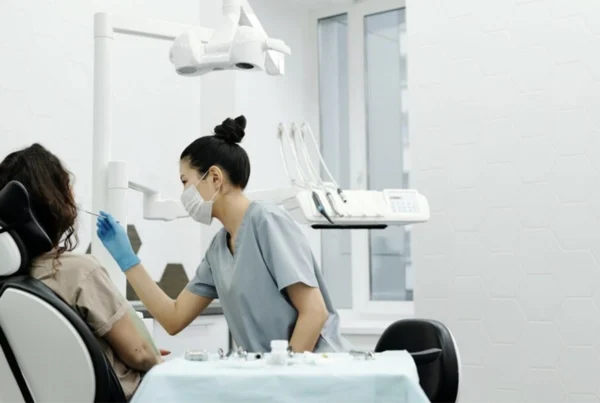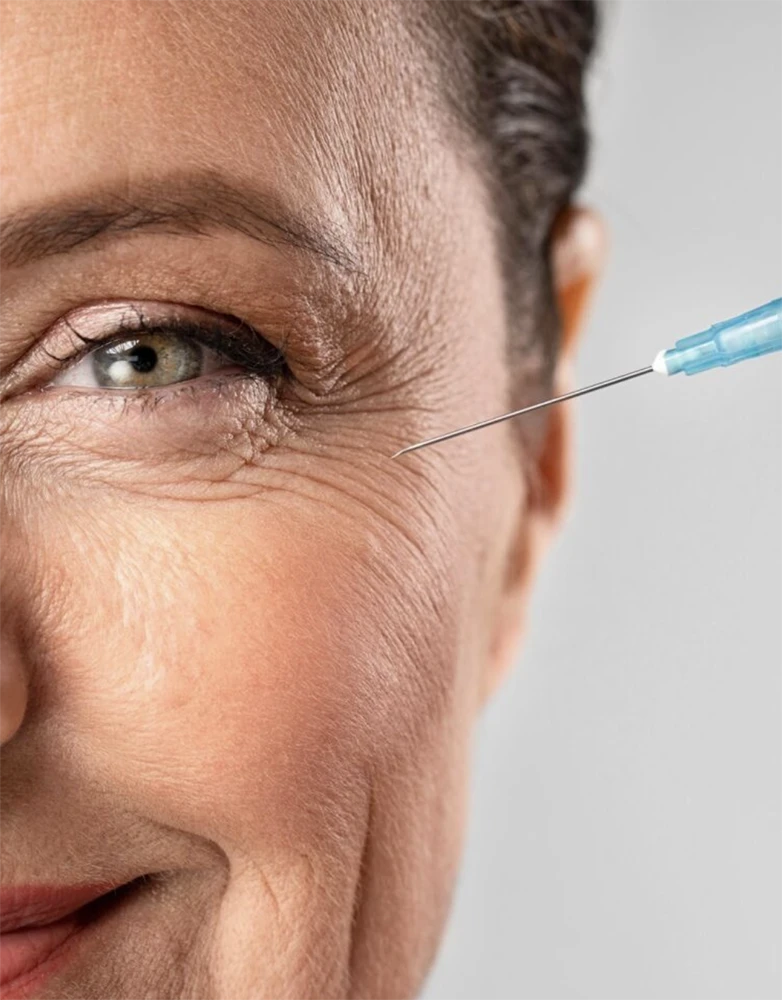
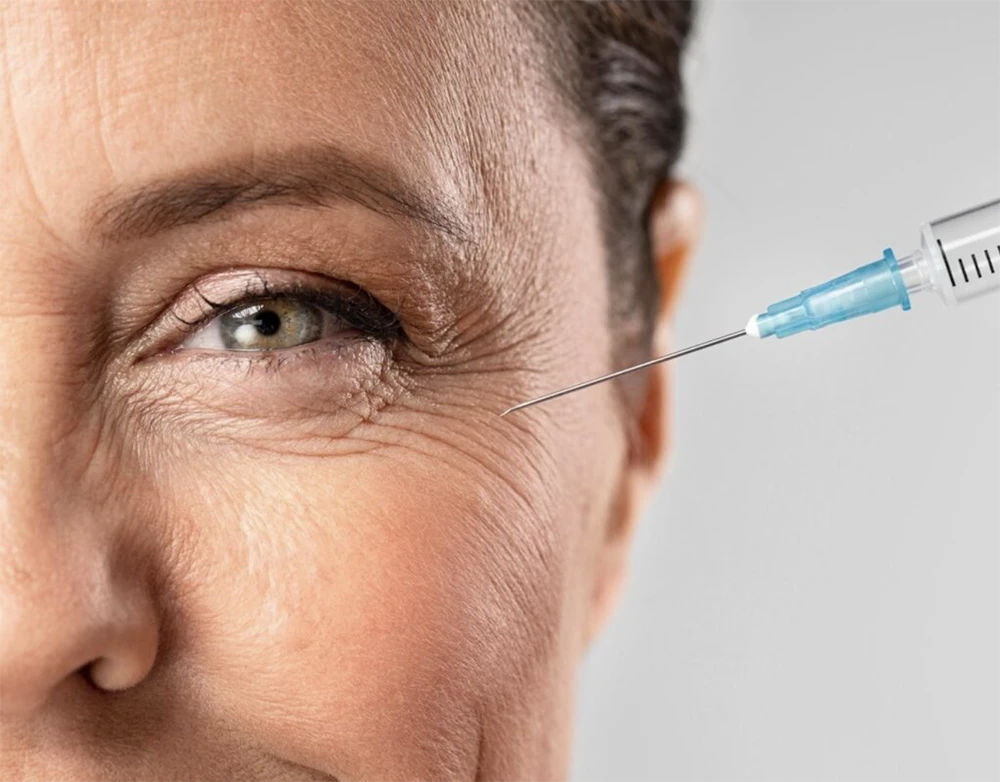
An appointment for facial injections is often a mix of curiosity and uncertainty, especially for patients who haven’t experienced such but are willing to go to such an extent to get their desired facial skin type. Sometimes, patients understand the cosmetic goals, but what tends to feel unclear is the process itself, which is subject to changes depending on the clinic or healthcare facility. A well-run appointment is structured, methodical, and grounded in safety. Knowing what will happen removes guesswork and helps patients make measured decisions about their treatment.
- Booking Clinical Consultation
Irrespective of the healthcare facility involved, a facial injection appointment always begins with a consultation, this is the stage where the consultant reviews medical history, medications, prior treatments, and any sensitivities that may influence the choice of product or technique.
First-time patients are sometimes surprised by the number of questions because they are often thorough and personal, which is what some might not be comfortable doing especially if they have rare skin conditions they don’t want to be vulnerable about.
While this is true, they are asked because neuromodulators and fillers interact with muscles, vessels, and connective tissue. A safe treatment will always depend on understanding how each patient’s anatomy and medical background can alter risk.
In addition, consultants like agent-skin goes further by examining the face at rest and in motion, as expressions, volume distribution, and asymmetries guide the treatment plan. First-timers often assume the consultant will focus on the area they want treated, but in practice, the evaluation is global, since adjusting one region can change the balance of the entire face.
This is why clear photographs are usually taken to document baseline features, and the plan is then explained in specific terms; which muscles will be addressed, how much product will be used, and what results are realistic.
- Making Product Choice
The next step in an appointment would involve choosing between neuromodulators and fillers or combining both. This is because neuromodulators soften dynamic lines by reducing muscle activity, while fillers restore volume, improve contours, or correct hollowing. Consultants often take their time to explain the distinctions because patients frequently overestimate what one product can achieve and underestimate what another can refine.
Since dosing is based on anatomy rather than probabilities, a good consultant always avoids vague promises and explains why certain areas require caution; for instance, injections near the mouth demand precision because the muscles there manage essential functions. First-timers should expect a direct explanation about why a recommended dose or technique is safer or more appropriate than alternatives.
- Preparing the Skin for Cleansing
Before injections begin, the skin is cleansed thoroughly to reduce bacterial load, and this when makeup is removed completely, because leaving any residue increases infection risk. Some consultants apply numbing cream, particularly for filler treatments, though neuromodulator injections usually require only brief cooling with an ice pack. However, numbing cream needs time to activate, so first-time patients should expect a short waiting period.
Likewise, doctors often ask about upcoming events, because swelling and minor bruising are possible even with perfect technique. If a patient has a major engagement within a certain period, timing adjustments can be suggested.
- The Injection Phase
The actual injection phase is precise and brief, and since neuromodulator appointments involve multiple small points, with each taking seconds, patients usually feel a light pinch rather than pain. On the other hand, filler injections take longer because product placement is deeper and sometimes requires a combination of needles and cannulas. Cannulas reduce bruising in certain areas because their blunt tip glides past vessels.
Throughout the process, the patient remains upright or slightly reclined, as this position allows accurate assessment of symmetry and movement. The doctors involved often pause to re-evaluate between injections; the sequence matters because small corrections accumulate, and these checks prevent overcorrection.
- Aftercare and Guidance
Patients receive specific guidance once the injections are complete. The instructions might differ slightly depending on the product used, but since neuromodulators require avoiding vigorous exercise, lying flat, or pressing on the treated areas for several hours; this reduces unwanted product movement.
Filler aftercare further focuses on avoiding heat, heavy workouts, or facial massages for a certain period, where ice can be used to reduce swelling, but pressure should always be minimal. Most patients resume normal routines immediately, but deliberate caution during the first day protects the final result.
Endnote
A first facial injection appointment is structured to balance safety, precision, and patient goals. When performed by a skilled team, injections are predictable, and rooted in informed decision-making; the process aims not only to create a refined aesthetic result but also to ensure the patient feels confident at each stage of the treatment.