
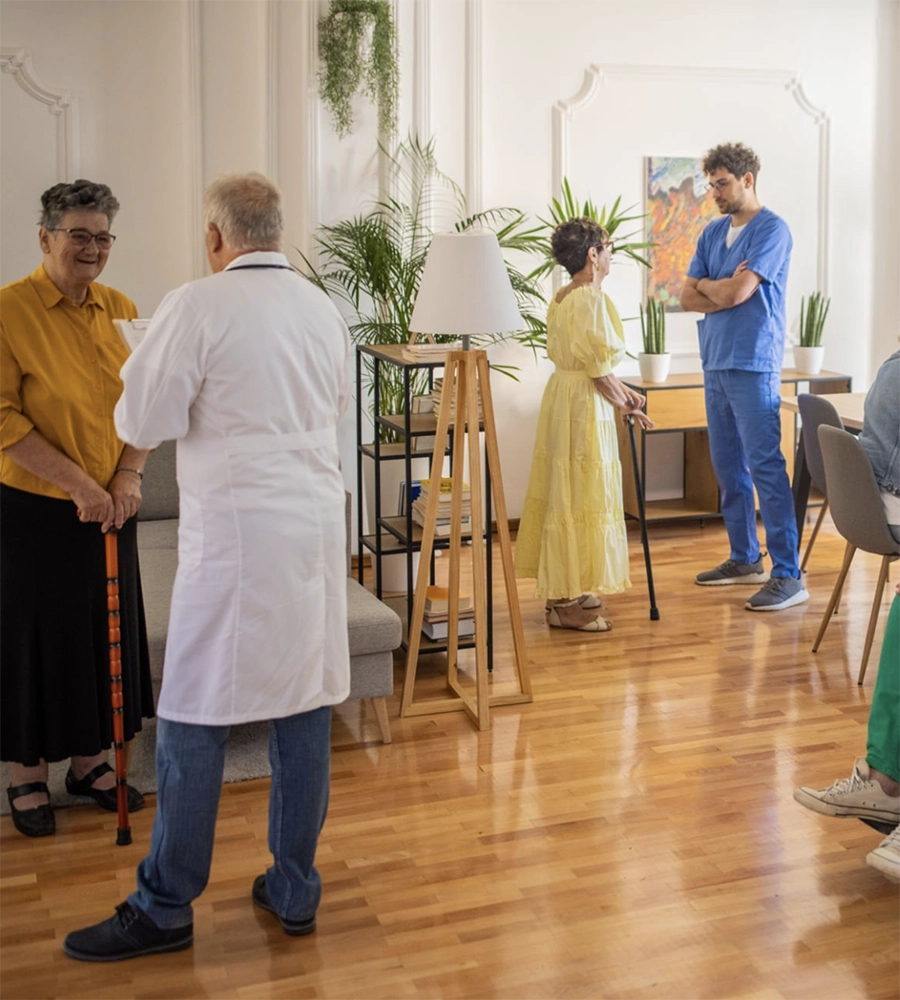
As society becomes more aware of the nuanced needs of its aging population, the demand for compassionate, person-centered care continues to grow. Residential care homes, also referred to as assisted living facilities or Residential Care Facilities for the Elderly (RCFEs) in some states, serve as a bridge between independent living and nursing homes. They offer support with daily activities while promoting autonomy, community, and dignity for older adults.
Opening a residential care home is a meaningful venture. It’s a path that requires not only entrepreneurial skills but also a deep sense of empathy, commitment to regulation, and a clear vision for delivering dignified aging experiences. Whether you’re an aspiring care provider, a healthcare professional, or a mission-driven entrepreneur, this guide outlines what it truly takes to build and operate a successful residential care home from the ground up.
1.Laying the Foundation: Licensure, Regulations, and Training
The first and most crucial step in opening a residential care home is understanding the legal requirements and obtaining the necessary licensure. Without this, even the most well-intentioned facilities can face costly delays or shutdowns.
In California, for example, residential care homes fall under the classification of RCFEs and are licensed by the California Department of Social Services (CDSS). The licensing process includes specific training, background checks, facility inspections, and ongoing compliance requirements. For anyone wondering how to begin, learning how to get an RCFE license is a critical first step. This process ensures that providers meet the standards required to care for vulnerable adults in a safe and supportive environment.
Beyond licensure, you’ll need to study the latest health and safety codes, resident rights guidelines, and ongoing continuing education requirements. This not only supports compliance but ensures your care model stays aligned with evolving best practices in elder care. Keep in mind that running a residential care home is a regulated responsibility—it comes with the legal obligation to protect residents and provide a high quality of life.
2.Creating a Dignified Living Environment
Residential care homes aren’t medical facilities but rather homes that offer assistance with daily living activities in a community-like setting. Because of this, the physical environment must feel safe, welcoming, and personal.
Here’s what that often includes:
- Accessible design: Wide hallways, non-slip flooring, grab bars in bathrooms, stair-free access, and clearly marked exits help ensure resident safety.
- Private and communal spaces: A balance between private rooms and social areas like dining rooms, patios, and lounges fosters community while respecting personal boundaries.
- Home-like atmosphere: Many successful care homes integrate décor, furniture, and lighting that reflect comfort and familiarity rather than a clinical feel.
- Personalization: Giving residents the ability to decorate their rooms, bring in familiar objects, and express their identity plays a major role in maintaining dignity.
Moreover, it’s important to consider sensory-friendly elements. Many older adults experience changes in vision, hearing, and mobility. Designing spaces that reduce noise, enhance lighting, and simplify navigation can greatly improve day-to-day wellbeing. Outdoor areas for gardening, reading, or simply enjoying nature are also excellent additions for emotional health and connection to the outside world.
3.Building a Compassionate and Trained Team
A care home is only as good as the people who run it. Hiring staff who aren’t only trained but also compassionate is essential. Elder care requires patience, emotional intelligence, physical stamina, and strong communication skills.
Key roles typically include:
- Administrator: Responsible for compliance, licensing, and overall management.
- Caregivers: Assist residents with daily activities like dressing, bathing, and medication reminders.
- Activity coordinators: Plan events, games, and outings to enrich residents’ lives.
- Housekeepers and cooks: Maintain hygiene standards and ensure healthy, appealing meals.
Training should extend beyond the basics of elder care. Equip your staff with skills in dementia care, trauma-informed support, conflict resolution, and cultural competence. Ongoing training helps ensure high standards are maintained and gives your team tools to better serve diverse populations.
Fostering a positive workplace culture also plays a crucial role. Staff retention in care settings is a common challenge, so investing in professional development, regular recognition, and emotional support for your team can pay long-term dividends, not just for staff morale, but for resident stability too.
4.Understanding Your Residents’ Needs
While every resident brings their own personality, values, and routines, there are common needs that must be met to support aging with dignity:
- Physical assistance: Support with mobility, hygiene, dressing, and meal preparation.
- Emotional and mental wellbeing: Opportunities for social interaction, counseling, and meaningful engagement.
- Cognitive support: Tailored care plans for residents with memory challenges, such as Alzheimer’s or dementia.
- Health management: Coordination with healthcare providers, medication tracking, and proactive health monitoring.
Person-centered care planning is vital. This approach involves working with residents and their families to create care plans that honor personal preferences and life histories. Dignity comes from being known and understood, not just medically, but personally.
Residents often flourish when they feel empowered to shape their own experience. Encourage autonomy through flexible daily routines, optional activities, and resident feedback forums. Understanding and responding to these individual preferences helps residents feel respected and heard.
5.Establishing Ethical and Transparent Practices
Residential care home operators carry enormous responsibility. Residents and their families are entrusting you with not only health and safety, but also with daily living and personal dignity. To honor that trust, transparency and ethics must be woven into every aspect of your business.
Some essential practices include:
- Clear contracts: Outline services, costs, policies, and expectations.
- Open communication: Keep families informed about changes, incidents, and care plans.
- Resident rights: Ensure all residents understand their rights regarding privacy, autonomy, freedom from abuse or neglect, and complaint procedures.
- Cultural sensitivity: Honor religious practices, dietary restrictions, language needs, and cultural values.
You should also establish clear grievance procedures and encourage both residents and staff to speak up about concerns without fear. Creating an environment of mutual respect and accountability strengthens your community and safeguards everyone involved.
6.Marketing with Integrity and Vision
While many care homeowners come into the field with a desire to serve, they must also wear the hat of a business owner. Attracting residents requires thoughtful marketing that conveys your mission, values, and credibility.
Effective strategies include:
- Local community networking: Partner with hospitals, social workers, religious organizations, and senior centers.
- Digital presence: A user-friendly website with testimonials, photos, and clear information helps families evaluate your facility.
- Tours and open houses: Offer opportunities for prospective residents and families to visit and experience your environment.
Avoid over-promising or using vague language. Focus instead on highlighting your values, staff training, unique amenities, and commitment to personalized care. Remember, trust is the most important factor when families are choosing where a loved one will live.
7.Planning for Sustainability and Growth
Opening a residential care home is just the beginning. Long-term success requires financial planning, a solid operating model, and the ability to adapt.
Here are some areas to focus on:
- Budgeting: Factor in licensing fees, staffing, utilities, insurance, food, medical supplies, and marketing.
- Pricing structure: Be transparent and fair, offering multiple packages or levels of care where appropriate.
- Record-keeping: Accurate documentation is crucial for inspections, audits, and daily operations.
- Quality assurance: Regular internal reviews and resident satisfaction surveys can help maintain standards and improve services.
- Scalability: If you aim to expand, consider systems and workflows that are easily replicable and compliant with state laws.
It’s also helpful to build strong relationships with vendors, financial advisors, legal professionals, and regulatory bodies. Having reliable partners can make your operations more resilient and responsive to change.
8.Supporting Aging with Dignity
At its heart, a residential care home isn’t just about service delivery, it’s about changing the way society views aging. It’s about replacing loneliness with community, fear with safety, and routine with meaningful living.
Supporting aging with dignity means:
- Respecting autonomy: Even small decisions—like choosing clothes or meals—help maintain independence.
- Fostering relationships: Creating space for connection among residents, families, and staff.
- Encouraging purpose: Whether through volunteer opportunities, creative activities, or mentoring younger generations.
- Acknowledging the full person: Each resident is more than their medical chart. They carry lifetimes of stories, wisdom, and identity.
To support dignity long-term, think beyond compliance and consider the emotional, spiritual, and social wellbeing of your residents. Celebrating birthdays, recognizing life achievements, and embracing humor and joy are just as important as medication schedules or safety drills.
Final Thoughts
Opening a residential care home is no small task. It requires more than ticking off licensing boxes or filling beds. It calls for empathy, excellence, and the desire to provide a sanctuary where older adults can thrive, not just survive.
By educating yourself on how to get an RCFE license, investing in the right team and environment, and staying true to your mission of compassionate care, you can help redefine what aging looks like in your community.
Ultimately, the greatest success of a care home lies in its residents’ smiles, sense of purpose, and peace of mind, and in the legacy of dignity you help create for every stage of life.