Is microneedling really as effective as people say, or is it just another skincare trend that sounds better than it performs?
That question comes up more than you’d expect, especially for anyone who has tried multiple treatments without seeing lasting change. Skin concerns don’t usually show up overnight, and they rarely respond to a single quick fix. Texture changes, fine lines, and uneven tone tend to build gradually, which makes the idea of a single solution feel a bit unrealistic.
At some point, curiosity turns into research. People start comparing treatments and reading experiences, trying to figure out what actually works versus what just sounds promising. In a city like Charlotte, where skincare is a part of everyday life, microneedling keeps coming up as a middle ground between basic treatments and more advanced procedures.
The reality sits somewhere in between expectation and limitation, and understanding that difference can change how you approach it. Below are 5 honest insights into what the procedure can and can’t really do.
1. It Can Improve Skin Texture, But Not Instantly Transform It
Uneven skin texture is one of the most common concerns people try to address. This happens because collagen production slows over time, leading to roughness, fine lines, and subtle irregularities.
That’s what leads many people to explore options like microneedling in Charlotte when topical treatments no longer produce noticeable results. At that stage, the focus shifts toward how the skin regenerates rather than just how it looks on the surface.
Keeping that shift in mind, experienced practices like Ageless Remedies typically consider how collagen response, skin sensitivity, and existing texture concerns interact during treatment planning. What stands out over time is how consistent treatments gradually refine the skin’s surface, making improvements feel natural rather than abrupt.
2. It Can Soften Fine Lines, But Not Replace Surgical Results
Fine lines around the eyes and mouth tend to become more noticeable with time. This is usually linked to reduced elasticity and repeated facial movements that gradually leave their mark on the skin. Microneedling supports the skin’s ability to rebuild collagen, which helps soften these lines and improve overall smoothness in a way that feels subtle and natural.
While the changes develop across multiple sessions, they tend to blend well with the skin’s existing structure rather than looking overdone. Even though it’s not designed to replace surgical procedures, people appreciate how it offers a less invasive way to maintain a refreshed appearance over time.
3. It Can Help with Acne Scars, But Results Vary by Depth
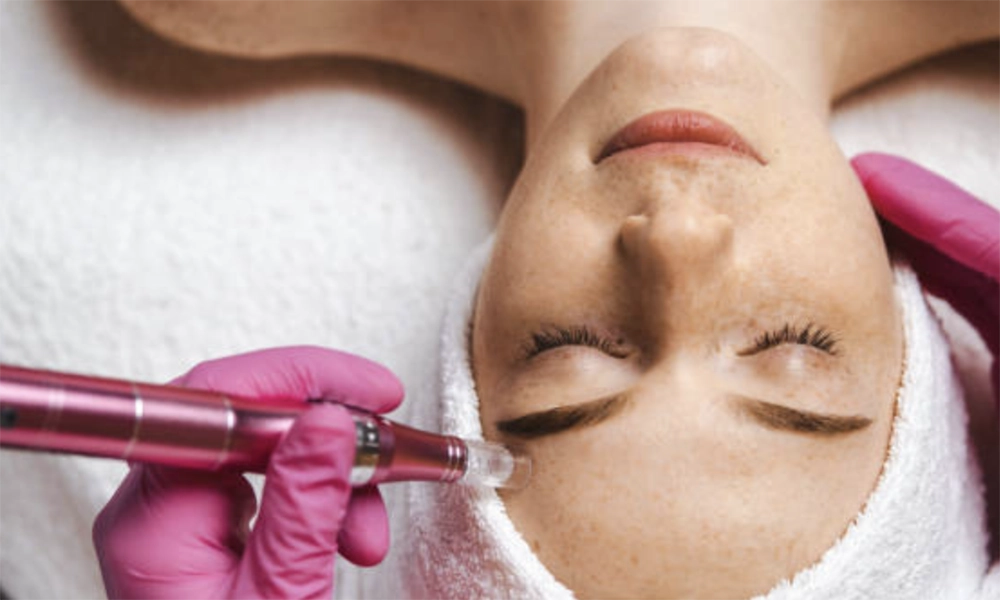
Residual acne scars can be frustrating because they don’t always respond to surface treatments. This happens because deeper scars lie beneath the skin’s surface, making them harder to smooth out. Microneedling works by creating controlled micro-injuries that encourage the skin to repair itself, supporting collagen remodeling beneath the surface.
Over time, this process can noticeably soften the appearance of scars, especially when treatments are done consistently. While deeper scars may take longer to respond, many people still see meaningful improvement as the skin gradually rebuilds itself, which makes the progress feel steady and worthwhile.
4. It Can Improve Skin Tone, But It’s Not a One-Time Fix
Uneven skin tone is another concern that brings people toward microneedling. This tends to develop due to sun exposure, pigmentation changes, and natural aging. The procedure encourages cell turnover and skin renewal, which can lead to a brighter, more even complexion over time.
What makes the difference is how these improvements build gradually, creating a more balanced look that feels consistent rather than temporary. When treatments are spaced properly, the results tend to layer in a way that enhances overall skin clarity, making the long-term outcome feel more reliable.
5. It Can Enhance Overall Skin Quality, But It Requires Maintenance
General skin dullness or lack of firmness is something many people notice over time. This happens as collagen production decreases and the skin’s natural renewal cycle slows down.
Microneedling helps reactivate the renewal process, leading to gradual improvements in texture, tone, and firmness that extend throughout the treated area. The effect tends to feel comprehensive, which is why patients continue with maintenance sessions. Rather than being a drawback, that ongoing approach keeps the skin consistently refreshed, making the results feel more sustainable as part of a long-term routine.
Microneedling Offers Visible Results When Done the Right Way
Microneedling works best when done consistently and with the right approach. Rather than instant changes, it supports gradual improvements in texture, tone, and overall skin quality. With proper treatment planning and care, the results become more noticeable and long-lasting over time.
Conclusion
Microneedling sits in an interesting space—it’s not a quick fix, but it’s also not as intensive as surgical options. It works with the skin’s natural processes, which is part of what makes the results feel gradual, consistent, and more in tune with how the skin actually repairs itself.
Understanding what it can and can’t do makes a noticeable difference in how satisfying the outcome feels. When expectations align with the way the treatment works, the results tend to feel more reliable and easier to maintain over time. For many people, that balance—between subtle improvement and long-term skin support—is exactly what makes microneedling worth considering as part of an ongoing skincare approach.
- About the Author
- Latest Posts

Our Editorial Team are writers and experts in their field. Their views and opinions may not always be the views of Wellbeing Magazine. If you are under the direction of medical supervision please speak to your doctor or therapist before following the advice and recommendations in these articles.