









What You Need to Know About Vein Finders in Home Healthcare
-
- January 22, 2026

With the growth of home healthcare and remote medical services, more patients are receiving blood draws outside of traditional clinical settings. While this offers convenience and comfort, it also introduces unique challenges for nurses and caregivers.
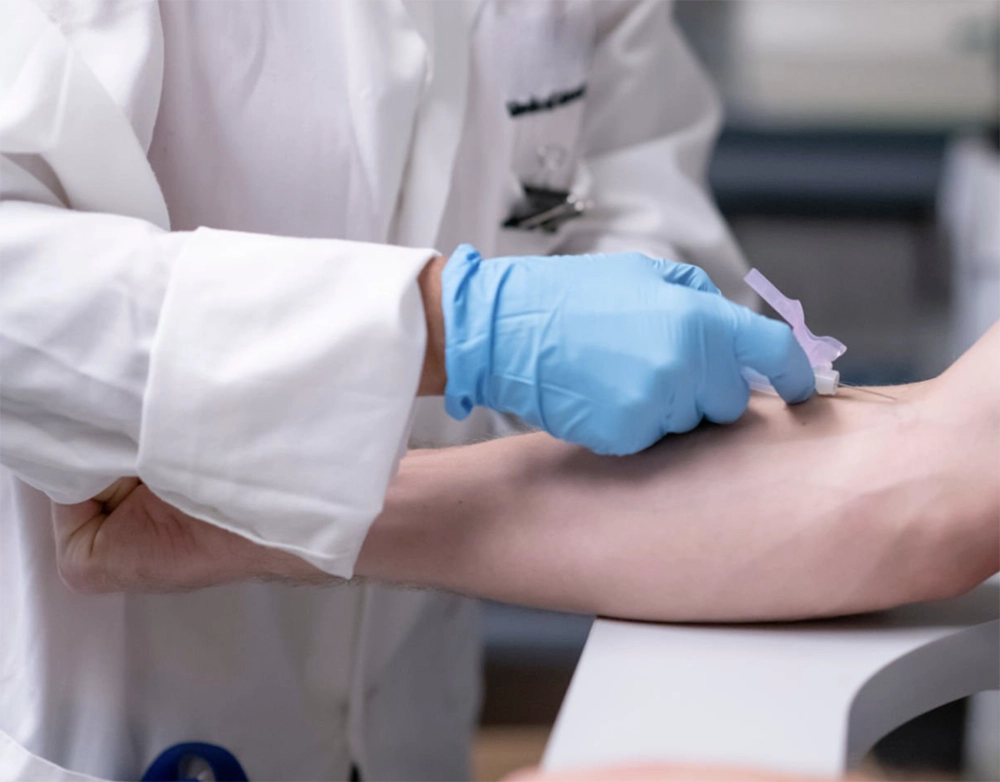
Limited space, poor lighting, and patient positioning can make locating veins difficult, causing failed attempts and discomfort. Fortunately, vein finders help healthcare professionals perform safer, faster, and more accurate blood draws at home.
Why Accurate Blood Draws Matter at Home
Performing blood draws at home presents unique challenges that can make venipuncture harder and increase the risk of complications:
- Challenging home environments: Poor lighting, limited space, and non-ideal seating arrangements can make veins harder to access.
- Patient factors: Anxiety or awkward positioning may reduce vein visibility, increasing the likelihood of failed attempts.
- Risk of discomfort and inefficiency: Repeated needle sticks cause pain and stress for patients and caregivers, while slowing down the procedure.
Using vein finders can help address these challenges by providing clear visualization of veins, allowing nurses to locate vessels quickly and accurately, and making blood draws safer and more efficient.
Understanding Vein Finder Technology
What is a Vein Finder and How Does It Work?
A vein finder is a medical device that helps healthcare professionals locate veins for blood draws, IVs, and other procedures. Using infrared or visible light, it highlights veins beneath the skin, making them visible on the surface. This reduces multiple needle attempts and improves patient comfort.
Benefits of Using a Vein Finder
Vein finders make venous access faster and more accurate, especially for children, elderly, or patients with hard-to-find veins. They minimize pain, bruising, and anxiety, and are particularly useful in home healthcare, allowing safe procedures outside medical facilities.
Key Features of Modern Vein Finders
Modern devices are lightweight, portable, and easy to use. Adjustable brightness and ergonomic designs ensure clear visibility and comfort during use. Some models even offer rechargeable batteries or digital displays for enhanced precision.
Challenges of At-Home Blood Draws
Performing venipuncture at home presents challenges that can make blood draws harder than in clinical settings, increasing the risk of multiple attempts and patient discomfort. Key challenges include:
- Insufficient lighting: Home environments may lack proper lighting, and even with a flashlight, shadows and uneven illumination can make veins hard to see.
- Unpredictable patient positioning: Unlike hospitals with specialized chairs or armrests, home settings often require working on couches, dining chairs, or even the floor, limiting arm mobility and vein accessibility.
- Patient anxiety and discomfort: Elderly or chronically ill patients, or those new to home care, may experience muscle tension or reduced blood flow, making veins less prominent.
- Limitations of traditional methods: Relying only on palpation and experience can lead to multiple needle attempts, increasing frustration for both patient and nurse.
These challenges highlight the value of advanced tools, such as vein finders, which help improve accuracy and patient comfort in home healthcare settings.
Benefits of Using Vein Finder at Home
Using a vein finder in home healthcare settings offers several tangible benefits:
- Improved Success Rates: Nurses can locate veins more accurately on the first attempt, reducing repeated needle sticks—especially for elderly patients or those with hard-to-find veins.
- Enhanced Patient Comfort: Minimizing failed attempts reduces pain, bruising, and anxiety, creating a smoother and more pleasant blood draw experience.
- Time Efficiency for Caregivers: Clear vein visibility allows nurses to complete procedures faster, saving time when caring for multiple patients in home settings.
- Seamless Integration with Home Care Workflows: Modern vein finder devices are portable and easy to use, allowing caregivers to deploy them quickly without compromising quality of care.
By addressing both patient comfort and procedural efficiency, the aimvein vein finder has become an essential tool for modern home healthcare, improving the success of blood draws and enhancing the overall patient experience—a key factor in patient-centred care.
How to Use Vein Finder Effectively at Home
While vein finders provide significant advantages, combining technology with proper technique is key to achieving the best results. Here are practical steps for home healthcare professionals:
Preparing the Patient and Environment
- Ensure the room has adequate lighting to complement the device.
- Position the patient comfortably with the arm supported, if possible.
- Encourage the patient to remain relaxed and still during the procedure.
Proper Device Placement
- Hold the vein finder at the recommended distance and angle for optimal visibility.
- Adjust the brightness or settings according to your skin tone and the surrounding environmental light conditions.
- Scan the area slowly to locate the best vein for access.
Combining Technology with Nurse Skill
- Even with a vein finder, tactile skills and experience are critical.
- Confirm vein selection by gentle palpation before insertion.
- Use the device as an aid, not a replacement, to ensure accuracy and patient safety.
Following these steps ensures that the technology complements, rather than replaces, the expertise of trained healthcare providers.
Conclusion
Vein finders have become a game-changer for home healthcare, supporting accurate, efficient, and comfortable blood draws while overcoming challenges like poor lighting, limited space, and patient anxiety.
For healthcare professionals providing care at home, integrating vein finder technology into routine practice can lead to smoother, safer, and more patient-centred blood collection, ultimately improving the quality of home healthcare services.
- About the Author
- Latest Posts

Our Editorial Team are writers and experts in their field. Their views and opinions may not always be the views of Wellbeing Magazine. If you are under the direction of medical supervision please speak to your doctor or therapist before following the advice and recommendations in these articles.


