Many people notice changes in their body long before they connect them to lifestyle. Energy levels dip. Sleep becomes lighter. Small aches appear in the knees, hips, or lower back.
Often, these changes are not caused by illness. They are linked to long periods of sitting, mental stress, and a gradual reduction in everyday movement. The body adapts quietly to stillness, but not without consequences.
Health experts increasingly point to gentle, regular movement as one of the most effective ways to support long-term wellbeing.
Why Walking Is Often Overlooked in Modern Health Conversations
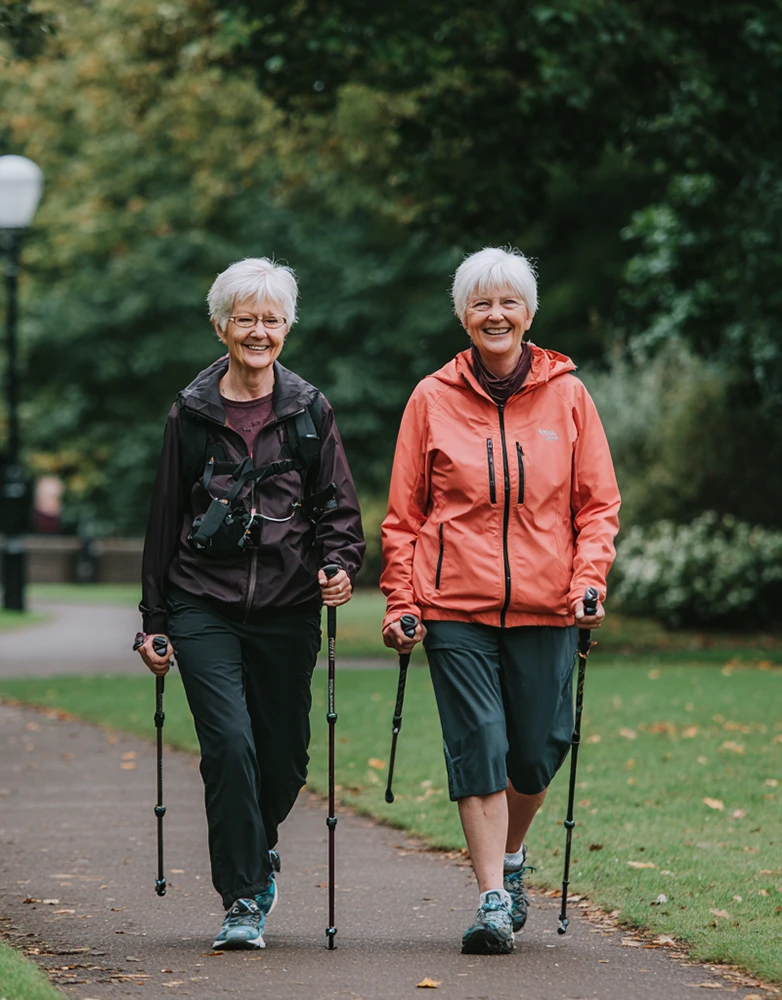
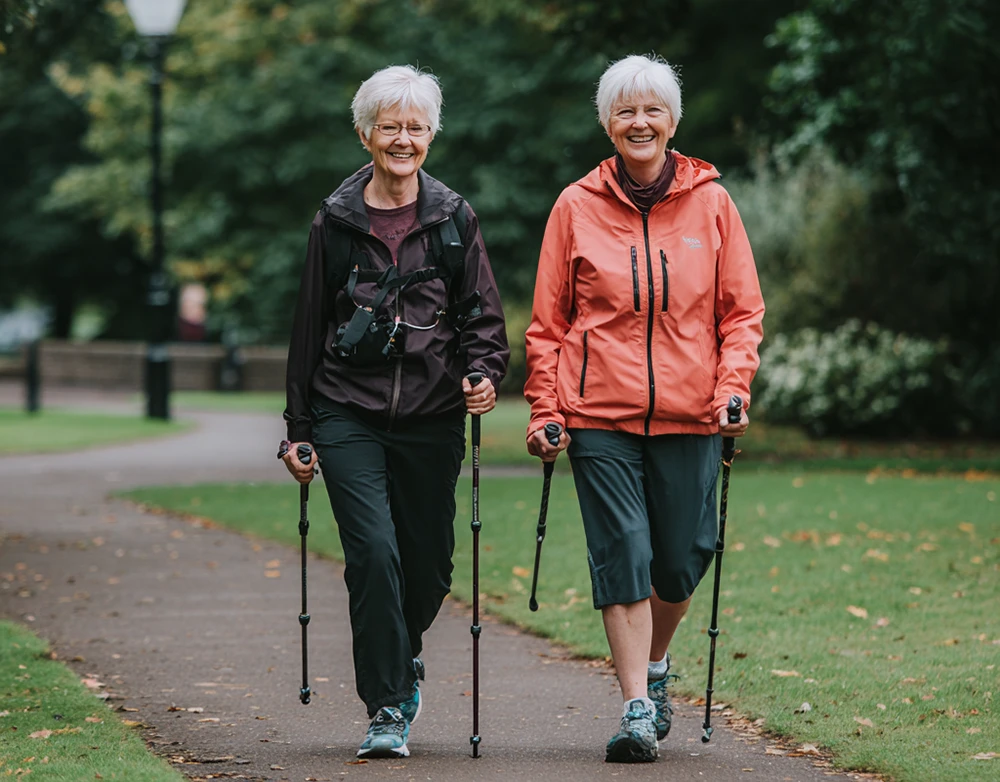
Walking rarely feels impressive. It does not promise dramatic transformation or fast results. Yet it remains one of the most widely recommended forms of movement across physical and mental health disciplines.
Walking supports:
- Circulation and heart health
- Joint mobility and muscle engagement
- Stress reduction and mood regulation
- Daily structure and routine
Unlike intense exercise, walking works with the nervous system rather than overwhelming it. This is especially important for people managing chronic stress or fatigue.
The Hidden Cost of Reduced Daily Movement
Modern life has reduced natural movement in subtle ways. Lifts replace stairs. Cars replace short walks. Work and leisure both happen on screens.
Over time, reduced movement can contribute to:
- Joint stiffness and reduced range of motion
- Poor posture and muscle imbalance
- Increased cardiovascular risk
- Heightened stress and restlessness
These changes often develop slowly, which makes them easy to ignore.
Why Controlled Walking Can Feel More Achievable
For many people, walking outdoors is not always practical. Weather, safety concerns, uneven surfaces, or time pressure can interrupt good intentions.
This is where indoor walking becomes relevant. A treadmill allows walking to happen in a predictable and controlled environment. Pace can be adjusted. Sessions can be short. Movement becomes accessible rather than demanding.
People exploring a treadmill for sale are often responding to lifestyle barriers rather than fitness goals.
Treadmills as a Tool for Consistency, Not Performance
In wellbeing-focused routines, the purpose of a treadmill is rarely speed or endurance. It is reliability.
A uk treadmill used for steady walking supports routine when motivation is low or schedules are tight. A foldable treadmill can fit into small living spaces, making daily movement more realistic rather than aspirational.
This is why many people searching for the best treadmill for home uk are not looking for athletic features. They want comfort, stability, and ease of use.
Supporting Joint and Heart Health Through Regular Walking
From a physical health perspective, walking helps maintain joint lubrication and muscle strength. Stronger muscles reduce pressure on joints, which can ease discomfort over time.
Cardiovascular benefits also accumulate quietly. Regular walking helps regulate blood pressure and supports circulation without placing sudden strain on the heart.
For people managing long-term health concerns, walking often feels safer than high-impact exercise. A treadmill UK households use for walking allows immediate control if discomfort appears.
Mental Wellbeing and the Role of Gentle Movement
Movement affects more than the body. Walking helps regulate stress hormones and provides mental space, even indoors.
Some people walk while listening to music or podcasts. Others walk in silence. The rhythm itself can be grounding.
In this context, a treadmill becomes less about exercise and more about creating space for mental reset within the day.
Choosing What Actually Matters in a Home Treadmill
For wellbeing-led users, the best treadmills for home uk use share a few common traits:
- A comfortable walking surface
- Simple controls
- Quiet operation
- Easy storage
The goal is not intensity. It is sustainability.
The best home treadmill uk routines are the ones that fit naturally into daily life, not the ones that demand constant motivation.
Walking as Part of a Wider Wellbeing Picture
Walking alone is helpful, but it works best when paired with rest, nutrition, and gentle strength support. Movement should feel supportive, not punishing.
When people use a treadmill UK setting as part of daily self-care, the benefits extend beyond physical health. Confidence improves. Stress feels more manageable. The body feels more capable.
A Quiet Habit With Long-Term Impact
Walking will never be the loudest health trend. That may be why it lasts.
A treadmill offers a way to protect this habit when life becomes busy or unpredictable. For those seeking the best treadmill for home uk use, the real value lies in consistency, not performance.
Over time, regular walking can change how the body feels, how stress is managed, and how daily life is experienced.
Sometimes, wellbeing improves not through doing more, but through moving gently and often.