Healthy hair always starts with the scalp. When the scalp is well-cared, hair tends to grow thicker and stronger. When things go off – maybe the scalp gets too oily, too dry, inflamed, or its microbiome requires treatment – hair growth slows down and shedding ramps up. Having a balanced scalp routine keeps the conditions right for follicles to do their job.
Photo by Alex Robinson on Unsplash
The Scalp Is Living, Active Skin
The scalp is a kind of skin, and it’s packed with follicles, oil glands, and blood vessels. Every follicle has its own life cycle. If you look at a typical scalp, there are about 100,000 follicles moving through growth, transition, and resting periods, each on its own schedule.
Sebaceous glands produce sebum, a mix of lipids that protect both the skin and the surface of your hair. Blood vessels carry oxygen and nutrients to the root, where hair actually starts to grow. Because the scalp has to defend itself and also keep making new hair fibers, it reacts fast to stress or irritation.
Stable Scalp, Better Hair Growth
Hair goes through three main phases: anagen (growth), catagen (transition), and telogen (rest). The longer your hair stays in anagen, the thicker and longer it can get. If the scalp is in a good place – calm, steady – follicles hang out in the growth phase for more time.
But if the scalp is irritated or inflamed, even at a low level, it can cut this phase short. Just a bit of ongoing inflammation can mess with the signals and cut off needed nutrients, leading over time to thinner hair and more shedding. Keeping things balanced helps protect the growth phase and maintain steady density.
Inflammation and Follicular Function
Inflammation doesn’t always come with redness or scaling. Sometimes, it just quietly forms around the follicle and starts messing with the growth signals. Managing inflammation supports a stable follicular environment and reduces unnecessary shedding.
Targeted peptide-based treatments such as Nulastin hair vibrant scalp treatment use biomimetic technology to support the natural growth cycle and reinforce follicle anchoring at the root. The consistent use is associated with reduced visible shedding and improved fullness.
Things like pollution, sun, tight hairstyles, leftover makeup products, or stress can set off inflammation. Some ingredients, like niacinamide or certain plant extracts, help calm things down when used regularly. Reducing inflammation keeps the follicle’s environment stable and holds back unnecessary shedding.
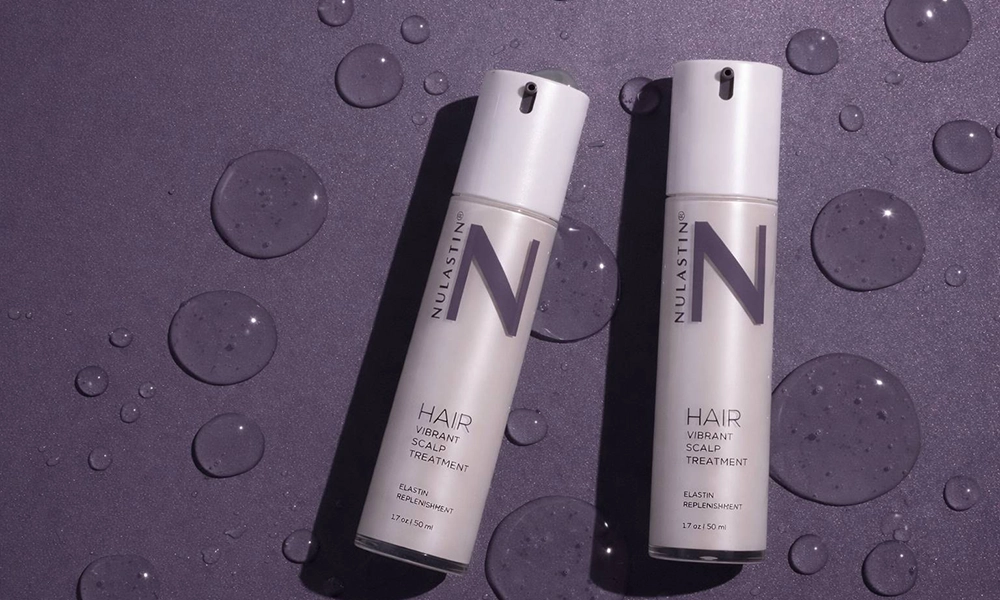
Photo by NULASTIN
The Scalp Barrier and Why It Matters
The scalp’s barrier is built from lipids, special proteins, and molecules that keep cells stuck together while locking in moisture. When this barrier works, it keeps irritants out and hydration in.
Harsh shampoos, rough scrubbing, chemical treatments, and too much heat can wear this barrier down. That often leaves the scalp feeling tight and itchy. Bring the barrier back – by cleaning gently and keeping hydration up – and things usually settle down, with less shedding too.
Sebum and Microbiome Regulation
Sebum plays a protective role when produced in appropriate amounts. It keeps the scalp and hair lubricated and helps healthy microbes thrive. If you’ve got too much oil, it can trap debris and alter the environment around follicles.
The scalp is home to bacteria and yeast that usually coexist under stable conditions. But stress, hormonal fluctuations, or the wrong beauty products can put this out of balance, causing dandruff, itching, or clogged follicles. Cleaning the scalp well without stripping away the protective lipids keeps things running smoothly.
Factors That Influence Scalp Health
| Factor | Effect on Scalp | Long-Term Impact on Hair |
| Harsh cleansing | Barrier disruption | Increased breakage and shedding |
| Oil buildup | Follicle obstruction | Reduced volume at the roots |
| Chronic irritation | Cellular stress | Shortened growth phase |
| Poor circulation | Limited nutrient flow | Slower regrowth |
| pH imbalance | Barrier instability | Heightened sensitivity |
Hydration and Moisture: Why Both Matter
Hydration is about how much water’s in the scalp; moisture retention depends on keeping healthy fats in place. Both make a difference for comfort, elasticity, and how well the barrier can hold up.
If the scalp gets too dry, it might start pumping out extra oil to compensate, but that can just make things worse. Excess dryness weakens the barrier and leaves the scalp more sensitive. Glycerin pulls in water, and ceramides or fatty acids help hold it. When the scalp is hydrated, follicles tend to work better, and the hair just responds.
Getting Blood Flow to Follicles
Hair needs oxygen, amino acids, vitamins, and minerals. Good circulation brings these right where they’re needed. Scalp massage boosts blood flow for a bit – so does keeping up with solid nutrition.
Low iron, not enough protein, or a strict diet can cause more shedding. Keeping up with your own nutrition and circulation is basic, but it matters if you want strong hair production.
How to Clean the Scalp – Without Overdoing It
How often you wash depends on your oil levels and scalp type. Oily scalps usually need to be washed more often, while dry or sensitive scalps do better with gentler and less frequent cleaning. The goal: clear away excess oil, pollution, and buildup, but don’t strip the protective layer.
Newer shampoos rely on gentler cleansers that clean without taking away the scalp’s natural protection. Mixing clarifying washes (for buildup) with hydrating shampoos keeps things in check. Sticking to a moderate and steady routine trumps heavy-handed approaches.
Signs of Scalp Imbalance
- Constant itching or burning
- Noticeable flakes or a greasy feeling at the roots
- More shedding than usual
- Hair looking flat near the scalp
- Sensitivity to products previously tolerated
These are signals that it’s time to update your scalp routine.
Exfoliation and Keeping Follicles Clear
Light exfoliation removes dead skin and buildup that could clog follicles. Ingredients like salicylic acid or gentle alpha-hydroxy acids help renew the surface when used at the right intervals.
But too much exfoliation will only make things worse – damaging the barrier and making the scalp even more reactive. For most people, once a week is enough. Anyone with ongoing scalp inflammation should talk to a professional about the right protocol.
Hormones, Stress, and the Scalp
Hormone swings can change oil output and the hair cycle. More androgens mean more oil; thyroid issues can change texture and amount. Stress brings up cortisol, which can push more hairs into the shedding phase.
Scalp care can’t fix hormone problems, but it can bring some steadiness to the tissue. If the routine keeps irritation down, it makes it easier for your scalp to deal with while you work on the bigger health issues.
A Simple Framework for Scalp Care That Works
- A gentle cleanser that matches your oiliness
- Hydration to patch up the barrier
- Exfoliation, but not too often
- Anti-inflammatory ingredients when things get sensitive
- Good nutrition and lifestyle habits to help the follicles
Sticking to the basics makes a difference. Over-complicating your routine just tends to cause more irritation – keep it simple and steady, and the scalp figures itself out.
Conclusion
Hair growth all comes down to how your scalp is doing. When the barrier holds, inflammation stays under control, oil stays balanced, and the blood’s getting nutrients where they’re needed, the follicles just work better. Keeping up a steady, balanced scalp routine is what keeps hair looking and feeling its best over time.