










Why Every Nursery Needs an Air Purifier
-
- December 31, 2025

Creating a nursery is more than just selecting adorable furnishings. Today, parents seem more interested in the conditions for their new baby, including air quality. It is, of course, common to think nothing of the quality of the air, but a nursery can actually trap contaminants that impact the baby’s comfort. The good news is that there are a few simple steps a parent can take.
As awareness escalates, many parents who are researching cleaner indoor air are brought into discussions about Alen air purifiers for babies solely due to their loyalty to neither brand nor product, but because they want to make sure that their baby is breathing clean air. All these reflect a new way parents are thinking about wellness at home.
Here are a few of the most significant reasons why air purifiers are increasingly viewed as a necessity in nurseries:
1. Babies Breathe More and Are More Vulnerable
One of the most critical considerations when it comes to nursery air quality is the rate and manner of baby breathing compared to adults. Babies breathe faster and higher rates of breaths per minute compared to adults. Therefore, babies consume higher amounts of air relative to their sizes. When that air contains dust or particles, the impacts are severe.
While their lungs and immune systems are still developing, babies are less equipped to filter out allergens in the air they breathe. Clean air will minimize stress on their small respiratory systems.
2. Indoor Air Isn’t Always as Clean as It Seems
Most parents feel that keeping babies indoors protects them from pollution. Yet, indoor air could be even more polluted than outdoor air. The indoor environment itself can be a source of airborne pollutants through various items, such as new furniture and paint, as well as routine cleaning agents.
Another point raised by firms like IQAir is that indoor environments can trap pockets of pollutants in well-insulated houses that are never opened for ventilation. An air purifier is used to ensure that the trapped air is continuously cycled.
3. Helps Reduce Common Allergens in the Nursery
The dust mites, pet dander, pollen, and mold spores are readily available within the nursery, even when the room seems to be immaculately clean. These allergens tend to accumulate in fabric items like curtains, carpets, and cushioned chairs.
All these allergens are filtered by an air purifier, making the room feel more comfortable, especially for families with pets or in areas with slightly higher pollen counts. Parents typically experience fewer sneezes and less congestion after installing an air purifier.
4. Supports Better Sleep for Babies (and Parents)
Source: Unsplash
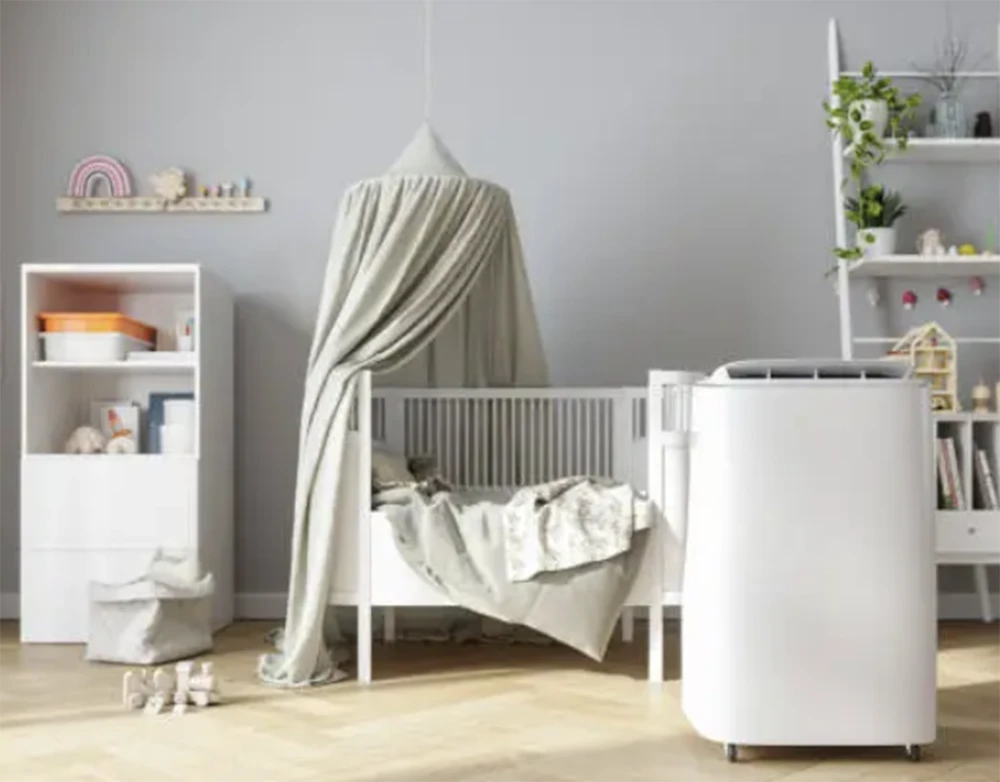
Of course, sleep is paramount in any nursery, and air quality plays an amazingly important role here. Clean air minimizes nighttime congestion and irritation, allowing babies to breathe comfortably while they sleep.
This often leads parents to share, from a user-experience perspective, how it makes them feel because they know the air in the nursery remains fresh throughout the night. Babies sleep much more soundly, and in turn, so do parents, which makes air purifiers a quiet, valuable addition to bedtime routines.
5. Useful for Urban Living and Modern Homes
Not all families live in a quiet suburb with fresh outdoor air. An urban apartment or a home near busy roads or areas where building construction is ongoing may have the effect of allowing the outdoor pollutants to drift inside.
Even in suburban areas, smoke, pollen, and dust can be seasonal factors in indoor air quality. To parents, air purifiers offer an illusion of control over their baby’s immediate environment that may be lacking in the world outside.
6. A Preventive Approach to Infant Wellness
Today’s parents are becoming increasingly proactive. Rather than wait for allergies, breathing problems, or constant colds to manifest, many address these issues right from the beginning.
Air purifiers fit into this mindset. Like baby monitors and blackout curtains, they work in the background, silently supporting daily comfort without demanding attention. To many families, this kind of prevention feels empowering rather than reactive.
7. Reduces Odors Without Using Fragrances
Source: Unsplash
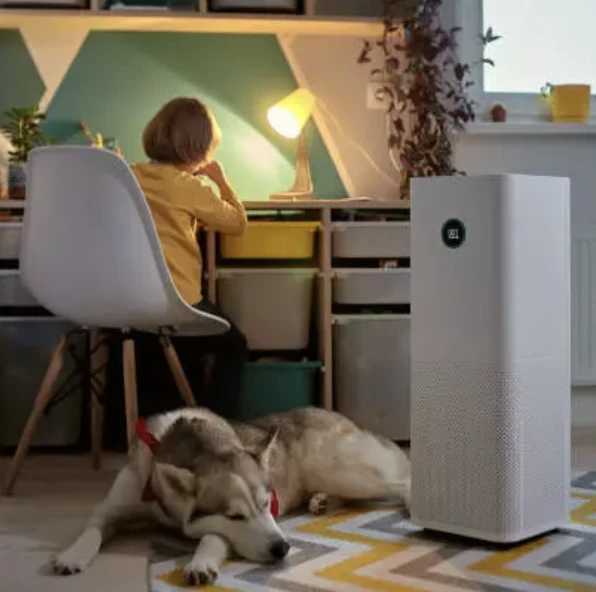
Nurseries can collect odors from diapers, cleaning products, and daily living. Scented sprays or candles may seem like an easy solution, but those only add more chemicals to the air.
Because air purifiers filter rather than mask odors, they neutralize smells and will keep the nursery fresh without adding artificial fragrances into the air that may irritate a baby’s sensitive airways.
8. Quiet, Low-Maintenance Support for Busy Parents
Practically speaking, the parents seek nursery products that do not add to stress. Modern air purifiers are designed noise-free and require less maintenance.
Once it is set up, it’s usually left in the background—no need to keep adjusting settings, as there are no complicated processes involved. It is because of this that air cleaners have become an everyday part of many households, regardless of whether there is a new baby in the home.
9. Grows with Your Child
An air purifier isn’t something that a child will outgrow quickly. Where it begins in the nursery, it can easily be transitioned to a toddler’s room or the common family space.
Such long-term usefulness affects purchase decisions, as parents look for items that can be used beyond babies. On the other hand, clean air is relevant through the entire life of childhood.
Small Change, Lasting Impact
Air purifiers might not be the most notable update in a nursery, yet the benefit they bring touches baby and parent alike day in and day out, from helping them sleep better to guarding against daily allergens.
With more parents seeking wellness-related options, clean indoor air has simply become an instinctive choice. At the end of the day, an air purifier is no longer about perfection; it’s about giving babies clean air to breathe and parents peace of mind.
- About the Author
- Latest Posts

Our Editorial Team are writers and experts in their field. Their views and opinions may not always be the views of Wellbeing Magazine. If you are under the direction of medical supervision please speak to your doctor or therapist before following the advice and recommendations in these articles.


