










Why Forest Bathing Could Be the Answer to a Calmer Mind
-

- November 14, 2025
The relentless hum of notifications, the never-ending to-do lists, the weight of being perpetually available—if you’re feeling constantly “on,” you’re not imagining it. This chronic state of low-grade stress that we all feel leaves us feeling anxious and exhausted. But the answer to this problem might not be as expensive or complicated as many of us think. In fact, it could be as simple as taking a walk outside.
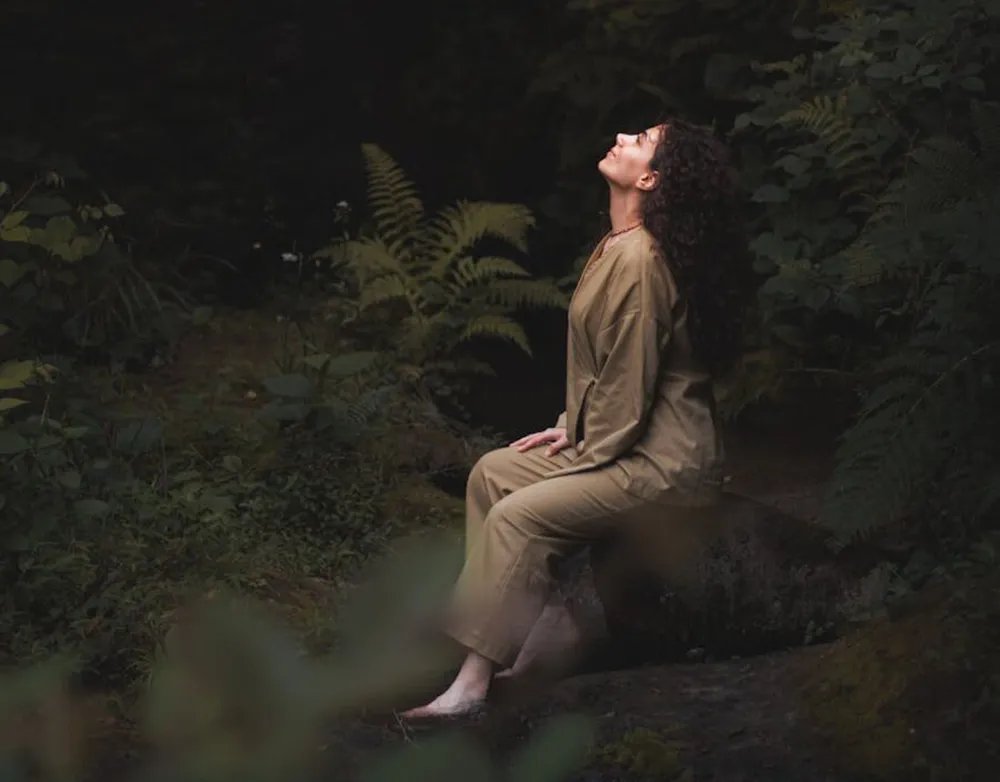
Japanese and Korean researchers have spent decades researching Shinrin-Yoku, or forest bathing, and the findings are extraordinary. As little as 20 minutes outside in a natural environment could help us physically rewire our brain chemistry, lower cortisol, and shift the nervous system from fight-or-flight to rest-and-recover. This might sound like wishful thinking, but it’s been clinically proven to work and help us relax. In those 20 minutes, you’re chemically dismantling the stress that plagues us every day.
The science: What happens in those 20 minutes?
So, how does it work? When we step into nature, the body immediately starts to relax. Cortisol, the stress hormone that keeps us wired and tired simultaneously, starts to drop. At the same time, the vagus nerve, which is our nervous system’s connection between the brain, heart, lungs, and digestive system, starts to activate. This switches the autonomic nervous system from hypervigilance to parasympathetic. In other words, the heart rate slows, breathing deepens, and your blood pressure drops, signalling to the body to calm.
This works when we breathe in phytoncides, nature’s invisible medicine. These organic compounds are released by trees as a defence mechanism against bacteria and insects, but when we breathe them in, they defend us too. Phytoncides have been proven to lower blood pressure, reduce inflammation, and boost Natural Killer cells—the immune system’s frontline warriors against disease.
When you mindfully spend time surrounded by nature, you’re literally absorbing the forest’s healing chemistry, allowing these airborne compounds to recalibrate your physiology at a cellular level. This is why forest bathing feels so different from simply being outdoors in the garden. The concentrated presence of trees creates a therapeutic atmosphere you can’t replicate anywhere else.
The bridge to deeper wellbeing
Once you’ve experienced the profound shift that just a short amount of time can make, you’ll no doubt want to integrate this habit into your routine more. In fact, consistency is the way to make this a habit that helps lower your stress levels long-term. It’s a micro hack that becomes a gateway to a stress-free life, providing genuine restoration.
Many people find themselves naturally gravitating to forest bathing on the weekends, for example, where they can spend several hours immersing themselves in nature for an even deeper restorative experience. These longer sessions permit a longer disconnection from the demands of daily life.
It’s worth noting that these beautiful natural spaces that are calming and quiet, the dense, mature forests away from crowds, are often further afield, especially if you live in the city. This is where the freedom of escape becomes essential, where you can turn time in phytoncide-rich woodlands into a sustainable practice.
You might invest in a self-contained home-on-wheels, like a converted campervan from Out and About Campers who specialise in custom conversions that are tailored to your lifestyle needs. This gives you a reliable space to rest and unwind when you’re on the road, so you can find secluded spots away from the hustle and bustle of the city whenever you have the time. This allows you to position yourself within healing landscapes whenever your system craves more than those 20 minute bursts, creating the perfect environment for wellbeing.
Your rewiring protocol
The beauty of this practice lies in its simplicity. However, you can still maximise this short burst of time to really benefit.
First, be mindful of your surroundings and focus your attention so your senses are engaged. Silence your phone, put it in your bag or pocket, and resist the urge to document what you’re experiencing. This isn’t about capturing content for social media. It’s about being present and deliberate about your time. Move slowly and really pay attention, from the sounds of birds and wildlife to the feeling of tree bark or moss against your fingers. Notice the smells and the temperature of the air as you breathe in. This is a moving meditation, and you can enhance the effects by really noticing what’s around you.
The next step is unlearning everything you know about productivity. You’re not spending time outdoors to exercise and there’s no destination or step count in mind. This is a time to be contemplative and walk without a set purpose or goal. This might be challenging for some, since we’re so used to feeling like we need to use every minute of our day constructively. If you find yourself mentally planning for tomorrow’s work meeting or trying to track how far you’ve walked or for how long, take a moment to reset.
The last element is your breath. While forest bathing will work no matter how you breathe, you can amplify the effects by consciously breathing deeper and slower. Try box breathing, which is a technique that requires you to inhale for a count of four, hold for four, exhale for four, and hold again for four. Alternatively, you can take long, slow breaths that fill your belly before rising to your chest. For more structured guidance on harnessing the power of your breath, consider resources from UK experts like The Breathing Room.
The solution to chronic stress and anxiety is radical simplicity. 20 minutes in the forest, breathing deeply and letting your mind switch off, could be all it takes to reset and put our mental health first, if only for a short period of time each day. Over time and with regular practice, it could provide a significant impact.
- About the Author
- Latest Posts
Annie Button is a freelance writer specialising in well-being and sustainable lifestyles, empowering readers to make impactful changes, one step at a time. She provides practical insights and solutions for achieving a balanced, sustainable lifestyle amid fast-paced contemporary living.


